Dissatisfaction with Donald Trump’s policies is growing within the US Republican Party following a major defeat in the mid-term congressional elections. Party strategists and the president’s allies are urging him to reshuffle his administration, review unpopular decisions and abandon policies which, in their view, cost the Republicans control of both houses of Congress. The war against Iran, trade tariffs and the rising cost of living are cited as the main reasons for the defeat. At the same time, Trump himself shows no sign of being prepared to change his political course.
Republicans are calling on Trump to reshuffle his team and change his policies
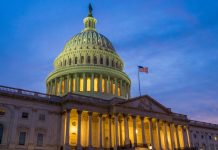
Following the elections on 3 November, in which the Democratic Party gained control of the US House of Representatives and the Senate, discussions began within the Republican camp about the future of Donald Trump’s administration.
Party strategists believe that the President needs to make personnel changes in the White House, restore discipline amongst his advisers and review the decisions that have caused the greatest dissatisfaction amongst voters.
John Figueri, a seasoned Republican strategist, described the election results as a massive disaster for Trump and called on the president to reshuffle his team.
In his view, following the loss of control over Congress, the President’s political influence will gradually wane, and his ability to push through his own legislative initiatives will be significantly curtailed.
Previously. UkrMedia reported that the Democrats have taken control of Congress, having secured victories even in states that had long supported the Republicans.
The party is also concerned that continuing on the current course could harm the Republican candidates in the 2028 presidential election.
The war against Iran has become one of the main causes of discontent
Serious divisions within the Republican Party arose over the US military campaign against Iran, which began in February 2026.
The war lasted for most of the year, causing significant economic repercussions, including rising energy prices and increased costs for American households.
Pros. data Reuters reported that internal Republican Party polls, conducted six weeks before the election, had warned of a high probability of losing the majority in both houses of Congress.
A senior White House official, speaking on condition of anonymity, told the agency that advisers had warned Trump about the political consequences of the war, but the president refused to reconsider his position.
After the elections Trump acknowledged that the conflict with Iran had had a negative impact on support for the Republican candidates. At the same time, he continued to defend the decision to launch the military operation.
The President’s position differs significantly from the views of some of his fellow party members, who consider the continuation of the conflict to be politically disadvantageous.
Vance distances himself from Trump over the war with Iran
One of the most striking signs of disagreement was the public stance taken by the US Vice-President JD Vance.
Following the announcement of the election results, he attributed the Republicans’ defeat primarily to the war against Iran.
Vens recalled that he had previously advocated an end to the conflict, and questioned the political wisdom of continuing it.
This statement attracted particular attention, as the vice-president is regarded as one of the potential candidates for the Republican Party’s nomination in the 2028 presidential election.
According to sources speaking to Reuters, such divisions could become more pronounced if the party leadership concludes that Trump’s political influence over the Republican electorate is waning.
At the same time, public criticism of certain decisions made by the president does not yet amount to an organised campaign by the party leadership against him.
The White House is preparing for personnel changes and investigations
The election defeat has created a tense atmosphere within the presidential administration.
According to a senior White House official who spoke to Reuters journalists, staff are discussing possible dismissals, reshuffles within the Cabinet and forthcoming investigations by the Democrats.
The source described the morale of the administration as extremely low.
The future work of parliamentary committees is a particular cause for concern. Once the new Congress takes office in January 2027, the Democrats will be able to hold hearings, request documents and scrutinise the activities of administration officials.
The Republican camp also recognises that the president will not be able to shield his team from parliamentary scrutiny by means of executive decrees alone.
Furthermore, the new majority will be able to block legislative initiatives from the White House, whilst a Democratic Senate will be able to influence the confirmation of senior officials and judges.
Trump does not regard the election as a personal defeat
Despite criticism from his allies, Donald Trump has given no public indication that he intends to change his priorities.
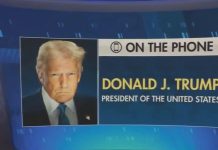
In an interview with Fox News on election night, the president said he did not view the election results as a personal blow.
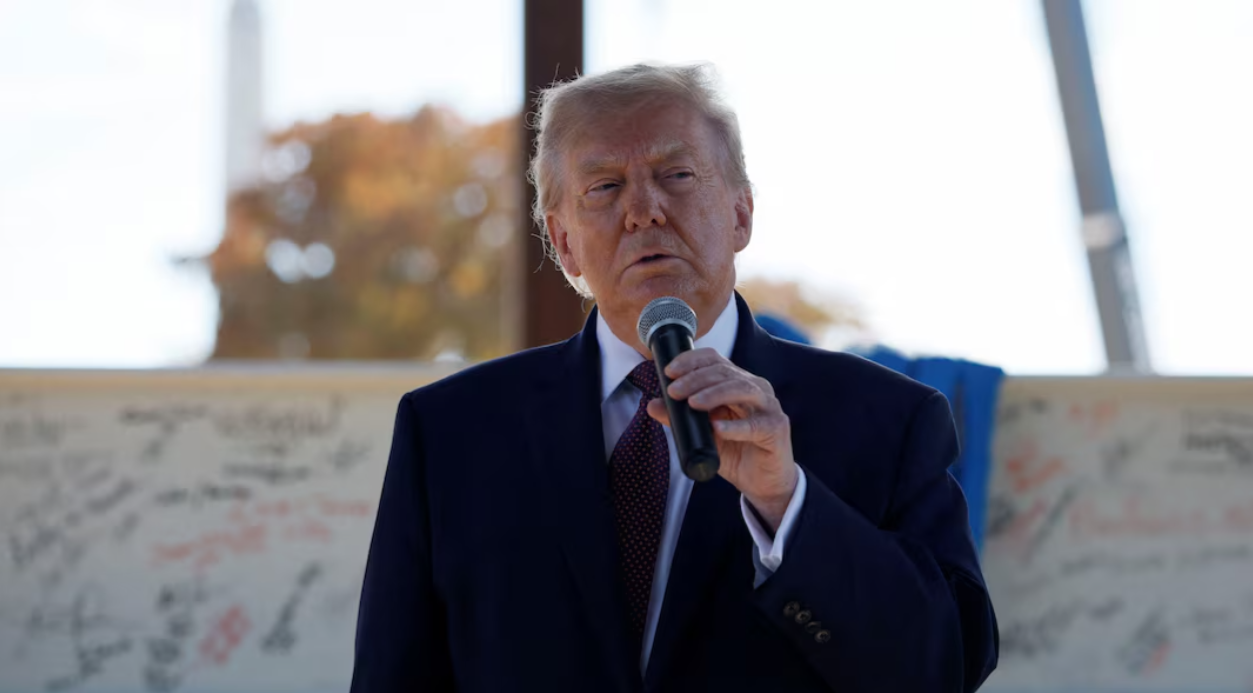
The following day, he held a meeting with journalists at the construction site of the new White House ballroom and defended his focus on the refurbishment of the presidential residence.
It was precisely this issue that had previously caused discontent amongst some Republican voters.
According to a party adviser, internal opinion polls in Michigan and Iowa showed that some Republicans and independent voters were annoyed by the President’s focus on construction projects in Washington amidst economic difficulties.
Despite these signs, Trump continued to publicly support the White House refurbishment.
The administration’s official page also published a photograph of the president, accompanied by a reminder that he remains the head of state.
The Democrats may block the President’s key initiatives
The Democrats’ takeover of Congress will change the political landscape for Trump during the final two years of his presidency.
The new parliament will be able to block some of the administration’s legislative initiatives, hold government officials to account and launch investigations.
At the same time, the President will retain broad executive powers and the right to veto bills.
According to Reuters, the White House has been preparing for several months to make more active use of presidential decrees on issues relating to immigration, trade tariffs, housing policy and federal spending.
This will enable the administration to implement some of its decisions without passing new laws, although such measures may be challenged in court.
The new political balance in Washington may also affect US international relations. Following Democratic victories Foreign governments have begun to assess possible changes in US trade and foreign policy.
Until the new Congress takes office, the Trump administration will continue to enjoy the support of the current Republican majority. After January 2027, in order to push through legislative initiatives, the President will have to reach agreements with his political opponents or make greater use of his existing executive powers.