A new procedure for assisting the public during prolonged power cuts is being introduced in Ukraine. The State Emergency Service will set up mobile warming centres in towns and villages where more than 30,000 families have been without electricity for more than a day. The tents will be equipped with generators and heat guns, whilst police officers will maintain public order in the vicinity. The new response procedure is due to come into effect on 6 November.
Briefly about the main points
- The State Emergency Service will set up additional mobile aid centres during large-scale power cuts.
- The new measures will result in more than 30,000 households being without electricity for more than 24 hours.
- The tents are equipped with generators, space heaters and charging points for gadgets.
- National Police officers will be on hand to maintain public order at the mobile aid stations.
- The new response algorithm is due to come into effect in Ukraine on 6 November.
Mobile service points will be set up after a day without electricity
According to the Minister of the Interior Ivan Vygovsky, units of the State Emergency Service are adopting a new protocol for responding to large-scale power cuts in populated areas.
It is envisaged that rescue workers will set up additional mobile aid posts in areas where both of the following conditions are met: more than 30,000 households remain without electricity, and the power cut has lasted for more than 24 hours.
This procedure is intended to ensure the rapid mobilisation of rescue resources in the communities most affected by damage to energy infrastructure.
We are referring specifically to additional mobile units. The existing stationary ones Points of invincibility continue to operate in accordance with the established rules.
In the State Emergency Service tents, you’ll be able to warm up and charge your phones
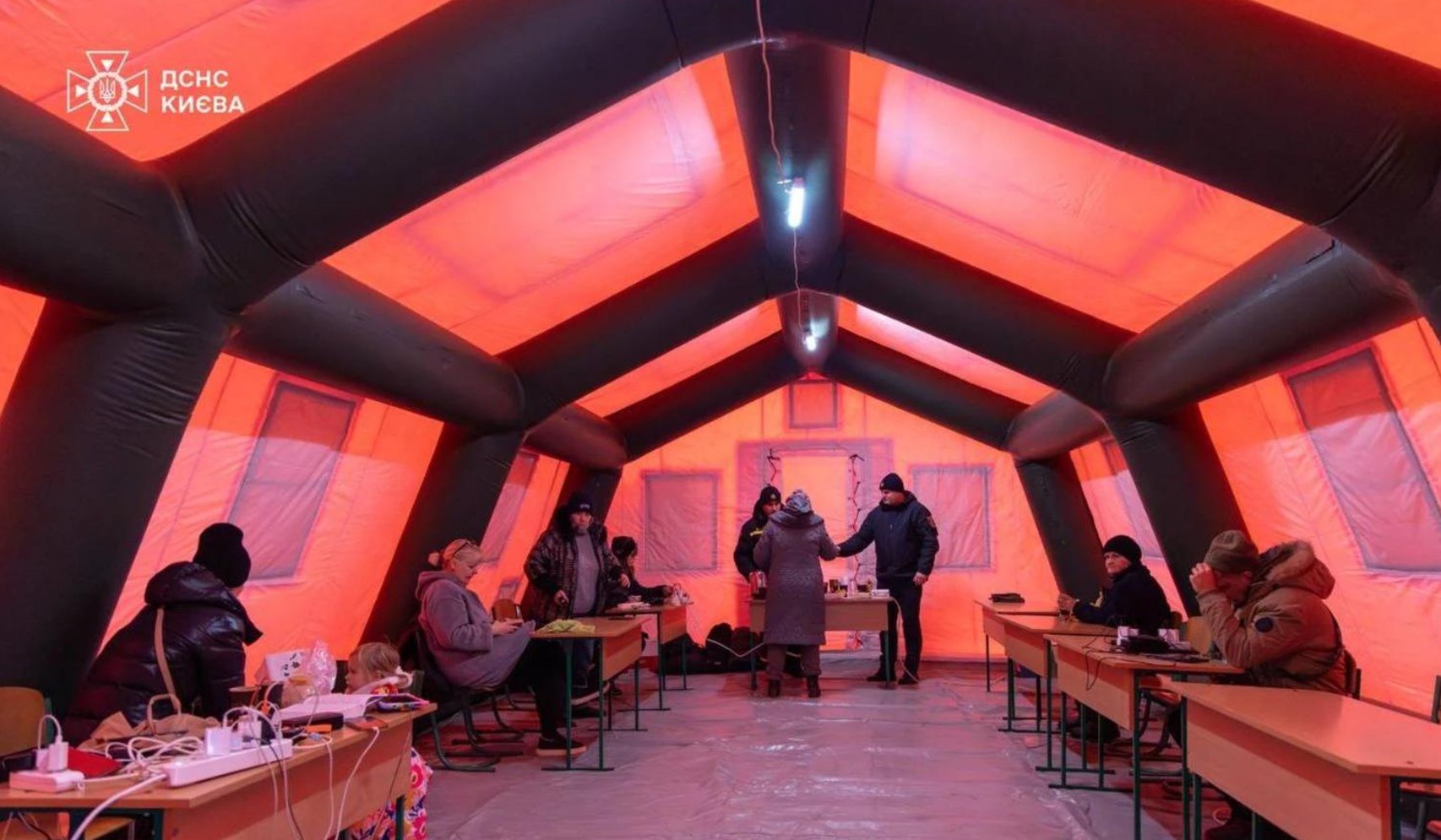
The mobile service points will be set up in special tents designed to operate during prolonged power cuts.
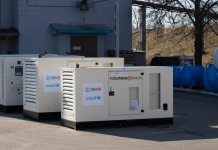
Generators will be used to provide an independent power supply, whilst heat guns will be used for heating.
Visitors will be able to warm up, take a break and charge their mobile phones, power banks and other essential electronic devices.
These points are particularly important for residents of high-rise blocks, where a power cut can lead to disruptions to heating, water supply and mobile phone coverage.
Rescue workers already have experience of using this sort of infrastructure. During previous large-scale power cuts, the State Emergency Service set up additional tents in Kyiv and the surrounding region, providing people with warmth and the chance to charge their devices.
Police officers will be on duty at the aid centres
Not only rescue workers but also units of the National Police will be involved in implementing the new algorithm. Law enforcement officers will maintain public order at the mobile testing centres, particularly where large crowds gather.
This kind of coordination has already been used during previous energy crises, when units of the Ministry of Internal Affairs simultaneously organised assistance for the public and stepped up street patrols.
Power cuts pose additional safety risks, particularly at night. Power cuts can affect the operation of street lighting, traffic lights and communications systems.
Where to find your nearest Point of Resilience
The addresses of the current «Points of Resilience» can be checked on the government information portal and in the ‘Diya’ app.
Information on the deployment of additional mobile units by the State Emergency Service is also published by local authorities and the rescue service’s regional branches.
The new algorithm is designed to strengthen the existing system of assistance during large-scale power grid failures. It does not mean that all communities experiencing short-term power cuts will automatically be provided with additional tents.
The Ministry of the Interior had previously reported that rescue services had set up more than 1,100 fixed and mobile ‘Resilience Centres’ to respond to protracted crises. If necessary, the service can deploy additional tents and modular camps.