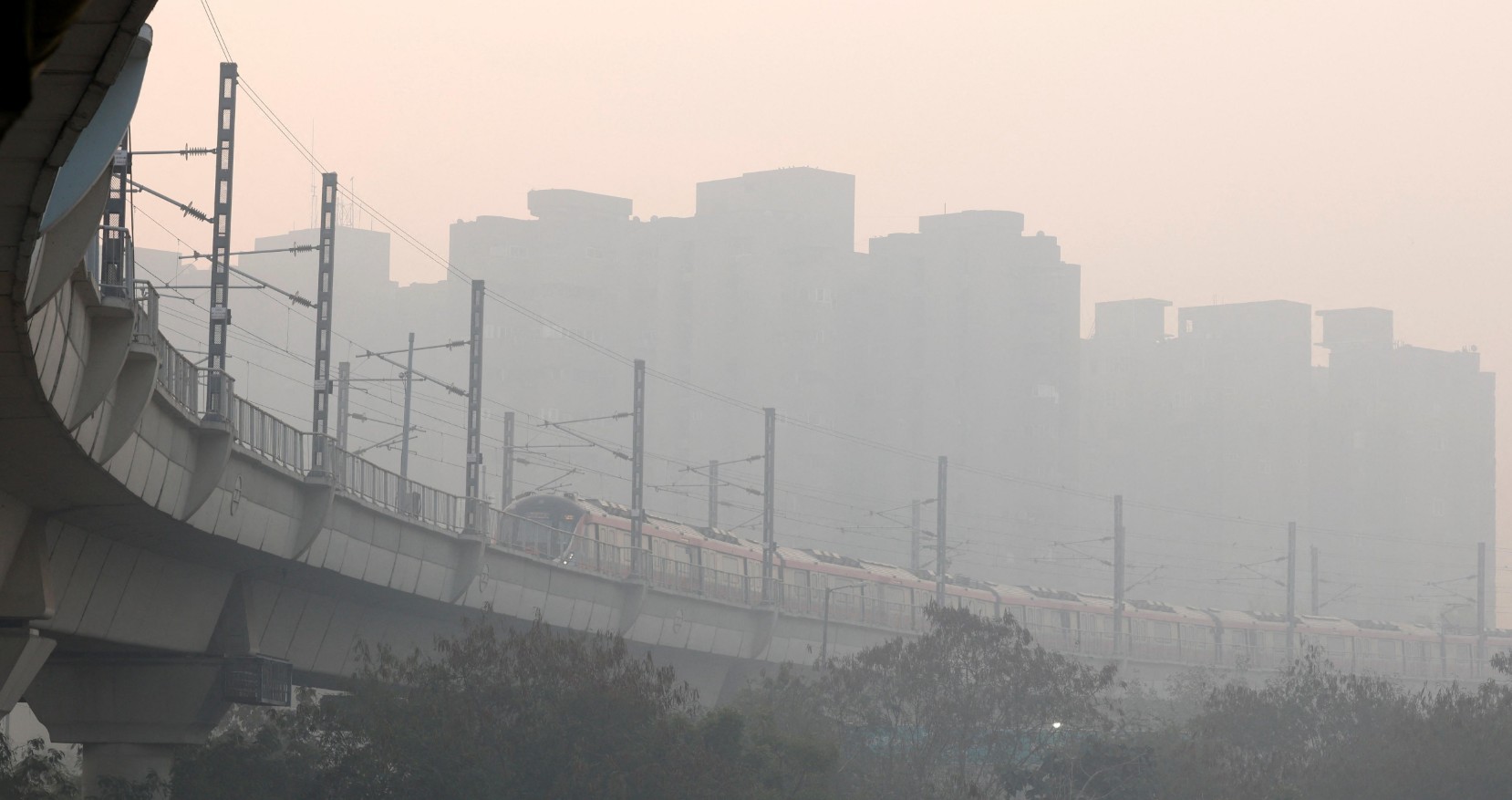
On 7 November, New Delhi, the capital of India, topped the global ranking of major cities with the poorest air quality. According to the Swiss organisation IQAir, the pollution index reached 581 points, which corresponds to a level that is hazardous to health. Due to the thick smog, the authorities have required schools to offer remote learning and have advised residents to work from home. The situation worsened in the run-up to the Hindu festival of Diwali, during which fireworks are traditionally set off.
- Delhi has topped the global ranking of major cities with the poorest air quality.
- The IQAir pollution index has reached 581, a level that poses a health risk.
- Schools have been required to provide online learning, and residents have been advised to work from home.
- Smog is exacerbated by vehicle emissions, industry and the burning of crop residues.
- Ahead of the Diwali festival, the authorities are concerned that air quality may deteriorate further.
Air pollution in Delhi has reached dangerous levels
On the morning of Saturday, 7 November, Delhi topped the current air pollution rankings amongst the world’s largest cities. At 10.35 am local time, the US Air Quality Index (US AQI), as used by IQAir, stood at 581 points. By way of comparison, in Lahore, Pakistan, which came second, the figure stood at 285.
India’s Central Pollution Control Board (CPCB) recorded a slightly different reading — 363 at 10:00. The national system classified the air quality as «very poor». The difference between the readings is due to the use of different measurement methods and assessment scales.
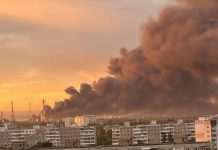
The day before, on 6 November, pollution levels in the Indian capital reached their worst levels in the run-up to Diwali in the last eight years. Thick smog reduced visibility on the roads and led to complaints from residents of eye irritation and breathing difficulties.
Schools are switching to distance learning
Due to the worsening situation, the Indian authorities have introduced further air quality restrictions. Schools in Delhi and the surrounding areas have been required to provide online learning to minimise children’s exposure to polluted air.
Local residents were advised to switch to remote working and to postpone non-essential mass gatherings. The authorities have also suggested that public and private organisations consider the possibility of moving up to half of their staff onto remote working.
Further restrictions apply to transport, construction and other sources of pollution. The measures include tighter controls on vehicle emissions, restrictions on certain construction works and the use of solid fuels in catering establishments.
Why does Delhi suffer from thick smog every year?
A sharp deterioration in air quality in northern India usually occurs at the start of the cold season. Falling temperatures and light winds contribute to the accumulation of harmful pollutants near the ground. As a result, vehicle exhaust fumes, industrial emissions and construction dust remain in the air for longer.
The burning of crop residues in agricultural fields in neighbouring states is becoming an additional source of pollution. The smoke is carried to the densely populated capital region, where it mixes with local emissions.
This year, the situation is exacerbated by the approach of Diwali, which will be celebrated on 8 November. The festival is accompanied by the widespread use of fireworks, which may further increase the concentration of fine particulate matter in the air. Delhi’s Environment Minister Manjinder Singh Sirsha warned that the expected easing of the wind would create conditions for a further build-up of pollution.
The Supreme Court of India has authorised the use of low-emission fireworks for a limited period of three hours on public holidays. The authorities hope that these restrictions will help to prevent a further deterioration in air quality.