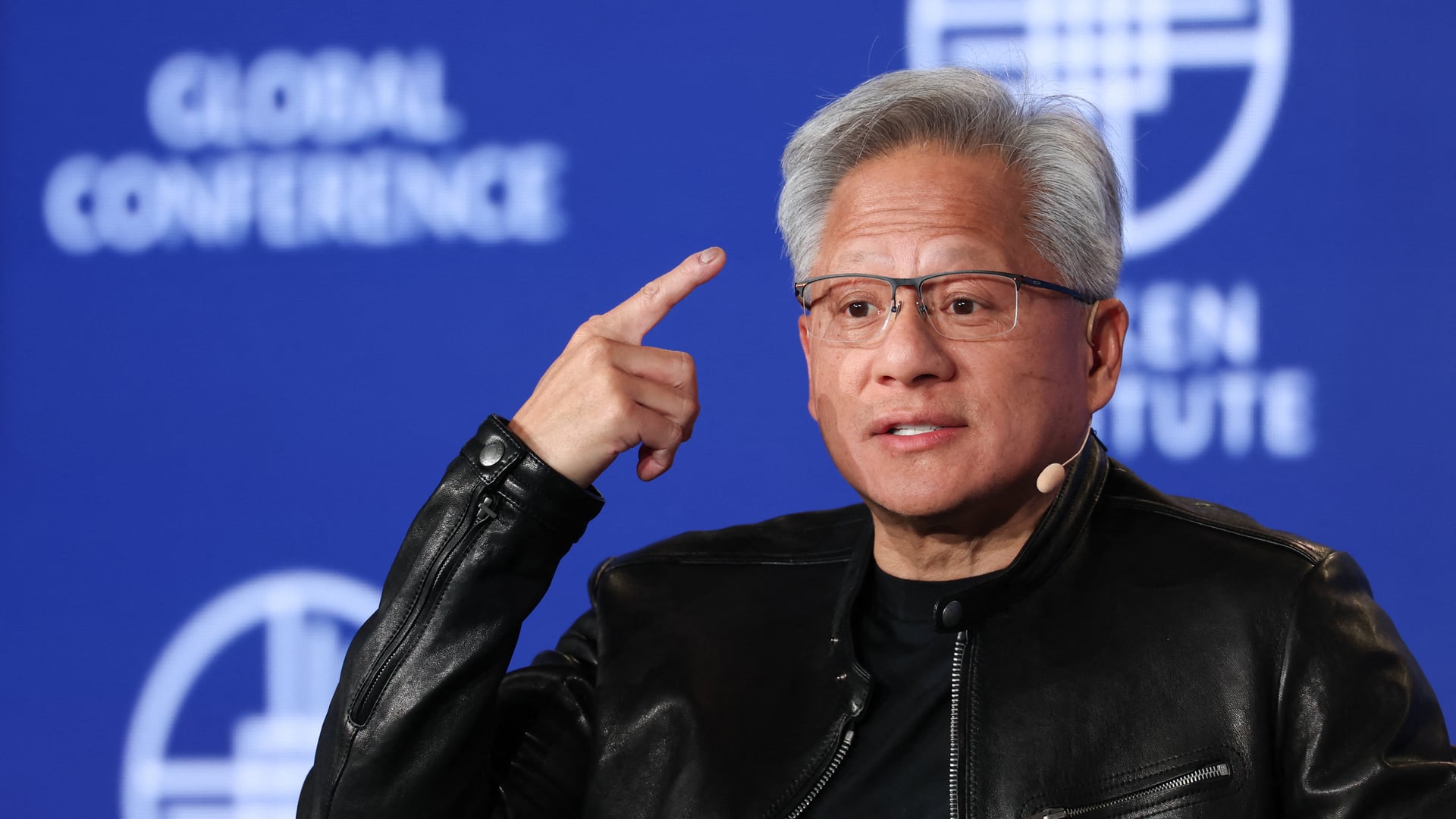
China has officially rejected allegations that it attempted to recruit Nvidia’s chief executive, Jensen Huang, via his personal relationship with a businesswoman whom US intelligence suspects of collaborating with Beijing. The Chinese Ministry of Foreign Affairs has described reports of a spying operation as baseless and aimed at discrediting the country. Meanwhile, Nvidia’s board of directors has launched an independent investigation into possible foreign interference, whilst shares in one of the largest manufacturers of artificial intelligence chips have come under pressure following the emergence of new details of the scandal.
- China has rejected allegations of a spying operation targeting Nvidia’s chief executive, Jensen Huang.
- US intelligence suspects businesswoman Alice Huang of gathering information for Beijing.
- An Nvidia executive has admitted to having an extramarital affair, but did not reveal the woman’s name.
- The company’s board of directors has announced an independent investigation into possible foreign interference.
- Nvidia shares fell by around 5 per cent following reports of the scandal.
Beijing has described the allegations against China as unfounded
Spokesperson for the Chinese Ministry of Foreign Affairs Guo Jiakun During a briefing on 9 November, he denied reports that the Chinese security services were involved in an alleged operation against the head of Nvidia.
According to him, the allegations regarding the Chinese spy are unsubstantiated and are being used to discredit Beijing. The Chinese side has previously rejected similar reports in the American media.
The scandal arose following a report in *The New York Times* which discussed possible Jensen Huang’s links with businesswoman Alice Huang. According to the publication, the US intelligence services suspected her of gathering information on behalf of China.
The woman previously worked for the Singapore-based company Megaspeed International, which collaborated with Nvidia and had come under scrutiny from the US authorities over suspicions that it was circumventing export restrictions on the supply of advanced chips to the PRC.
Nvidia launched an investigation following Huang’s admission
8 November: the Board of Directors Nvidia officially announced the establishment of an independent committee to investigate reports of possible foreign intelligence influence on the company’s chief executive.
External legal advisers will be brought in to assist with the investigation. The committee is to establish the circumstances surrounding any possible contacts and check whether there was a risk of confidential information being leaked.
Jensen Huang himself admitted to having an extramarital affair with a businesswoman and apologised to his family. However, in his statement, he did not name the woman with whom he had been involved.
Nvidia has emphasised that it currently has no reason to believe that any trade secrets or US national security have been compromised. Huang has agreed to cooperate with an independent committee and continues to lead the company.
Nvidia shares have fallen amid the scandal
Reports of a possible espionage operation triggered a negative reaction from investors. On 9 November, Nvidia’s shares fell by around 5 per cent during pre-market trading in the US.
The situation has attracted particular attention due to the company’s role in the global artificial intelligence industry. Nvidia manufactures high-performance processors that are used to train large AI models and the operation of modern data centres.
At the same time, Washington is restricting exports of the most powerful American semiconductors to China. Jensen Huang has previously advocated for the easing of some of these restrictions, arguing that this is necessary to maintain the competitiveness of American technology companies.
Following consultations with Donald Trump’s administration, Nvidia has been granted permission to supply certain models of its H200 processors to China. However, the scale of future exports remains to be seen.
Nvidia’s independent investigation is ongoing. There is currently no publicly confirmed evidence that Jensen Huang passed on classified information to the Chinese intelligence services.