During prolonged power cuts, Ukrainians are increasingly turning to camping gas burners, portable hobs and liquefied petroleum gas cylinders. However, such devices can pose a serious danger, particularly in flats in multi-storey buildings. An explosion can be triggered by a cylinder overheating on an electric hob once the power is restored, incorrect refilling, a sudden change in temperature or a gas leak. The State Emergency Service warns that even a small camping gas cylinder, if used incorrectly, can cause a fire, injure people and damage homes.
- A gas burner on an electric hob may explode once the power supply is restored.
- An overfilled cylinder is particularly dangerous when moved from a cold to a warm environment.
- The installation of gas cylinder systems in high-rise buildings is restricted by building regulations.
- If you smell gas, do not switch on any electrical appliances or use open flames.
Why might a gas burner explode after the light is switched on?
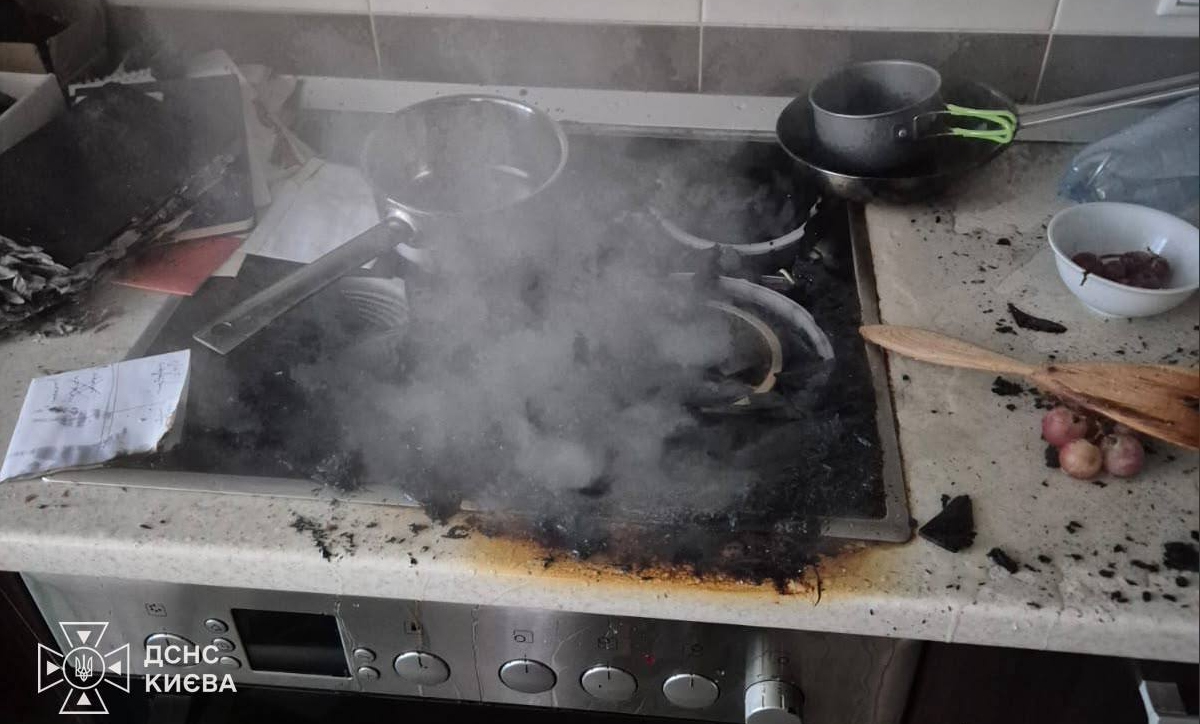
One of the most dangerous mistakes occurs when flat residents place a portable gas hob directly on top of an electric hob. Whilst there is no electricity, people use the gas burner, but once the power is restored, the electric hob may start to heat up.
If a gas cylinder is left on a hot surface, the temperature inside it rises and the pressure increases. This can lead to a loss of pressure, ignition or an explosion.
Ukrainian rescue services have already recorded such incidents. In particular, in Lviv, a camping gas burner exploded after an electric hob had been switched back on and had heated the device placed on it.
Even a switched-off electric hob poses a hazard if its surface remains hot. Therefore, gas burners and gas canisters must not be placed on electric hobs, regardless of whether the power is on or off.
Why is it dangerous to move a filled gas cylinder from the cold into a warm flat?
During the colder months, incorrect filling and storage of gas cylinders pose an additional risk. Some owners fill the cylinders in the cold, leave them on a cold balcony, and later bring them into a warm room.
As the temperature rises, the liquefied gas expands and the pressure inside the cylinder increases. If the cylinder is overfilled and the required headspace has not been left, this may cause damage to the cylinder or a gas leak.
The State Labour Service emphasises that domestic gas cylinders must only be refilled at specialised facilities, where their technical condition and gas levels are checked. Refilling at unauthorised vehicle gas filling stations without proper checks poses additional risks.
It is particularly dangerous to refill disposable camping gas canisters yourself. They are not designed to be refilled, and worn valves and damaged seals can cause leaks.
A sudden transition from cold to warm conditions does not in itself mean that a serviceable, correctly filled cylinder will inevitably explode. The greatest risk arises from overfilling, damage, overheating and failure to comply with operating conditions.
Is it permitted to install gas cylinders and cookers in high-rise blocks?
In Ukraine, there are restrictions on the installation of individual gas cylinder systems in residential buildings. In accordance with clause 12.52 of DBN V.2.5-20:2018 «Gas Supply», such installations may only be located inside residential buildings with up to and including two storeys.
In multi-storey buildings, it is not permitted to install gas cylinders without authorisation, connect them to cookers or fit out independent gas heating systems. It is also prohibited to place cylinder equipment in hazardous locations, such as basements, balconies and loggias.
However, this does not mean that all fixed gas cookers and boilers in multi-storey buildings are prohibited. If the equipment is provided for in an approved gas supply scheme, is installed in accordance with the regulations and is properly maintained, its use may be lawful.
What other mistakes made when using gas burners can lead to fires?
As well as cylinders overheating, rescue workers are drawing attention to other dangerous habits. These include using large pans on compact burners, cooking for long periods, and placing equipment next to flammable materials.
Large cookware can reflect heat back onto the body of the gas canister, causing it to overheat. Damaged connections or faulty valves pose a risk of gas leaks even when the flame is not lit.
Another hazard is carbon monoxide. When fuel does not burn completely, it can build up in a room that is not properly ventilated. Carbon monoxide is odourless, and inhaling it can lead to loss of consciousness and death.
That is precisely why camping stoves are safer to use outdoors, in accordance with the manufacturer’s instructions. Under no circumstances should you heat your flat using gas hobs, ovens or camping stoves.
What to do if you smell gas in your flat
If you notice the characteristic smell of gas or suspect a leak, you must stop using the equipment immediately. If it is safe to do so, you should shut off the gas supply and open windows and doors to ventilate the area.
In a room filled with gas, you must not switch the lights on or off, or use electrical appliances, lighters, matches or any other sources of fire. Even a small electrical spark can cause a fire.
You must evacuate people from the building, warn the neighbours and, once you are in a safe place, call the gas emergency service on the following number 104. In the event of a fire or an imminent risk of explosion, you must call the emergency services on 101.
You must not resume using the gas appliance until it has been inspected by specialists.
How to cook more safely during power cuts
For residents of flats with electric hobs, the safest option remains preparing meals in advance, using thermos flasks for hot water and ready-made foods that do not require cooking. Provided there is sufficient power, you can use certified electrical appliances connected to a backup power supply.
If approved gas equipment is used, it must be in good working order, comply with the installation requirements and the manufacturer’s instructions. Ensure there is adequate ventilation, prevent gas cylinders from overheating and do not leave appliances unattended.
During power cuts, the danger lies not only in the lack of light, but also in attempts to replace standard household appliances with equipment not intended for use in a flat. Failure to follow gas safety rules can endanger not only the occupants of a single flat, but the entire block of flats.