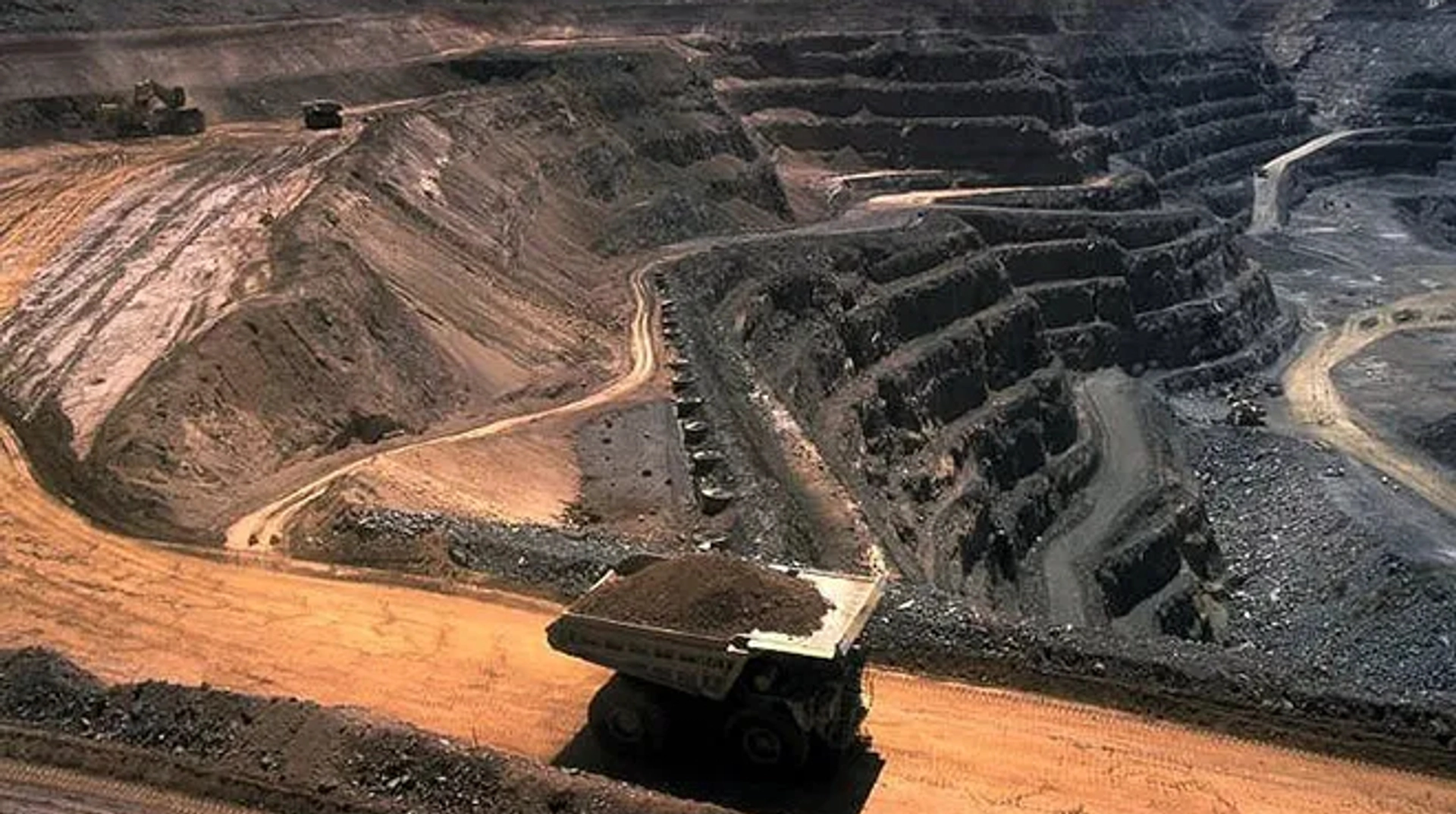
The United States remains critically dependent on Chinese suppliers of strategic raw materials required for the defence industry, electric vehicles, robotics and the development of artificial intelligence. According to Reuters, despite the Trump administration’s investment of billions in domestic mineral extraction and processing, most new American enterprises will not be operational for several years.
- The US remains dependent on Chinese supplies of strategic minerals and magnets.
- China’s production capacity in the neodymium magnet sector is almost 47 times greater.
- It takes years for American extraction and processing companies to get production up and running.
- Beijing retains significant leverage in trade negotiations with Washington.
China is almost 47 times ahead of the US
According to the International Energy Agency, in 2025, US production capacity for neodymium magnets stood at around 4,500 tonnes per year. In China, this figure reached 210,000 tonnes.
Such magnets are used in electric vehicle motors, industrial robots, drones, wind turbines and military equipment.
China’s advantage lies not only in the extraction of raw materials. Over the decades, the country has built up a comprehensive industrial infrastructure for processing and refining metals and manufacturing finished components.
Introduced by Beijing export restrictions have already caused disruptions to the operations of US industrial companies, particularly car manufacturers.
Why the US cannot quickly replace Chinese raw materials
According to the US Geological Survey, between 2021 and 2024, China accounted for 71 per cent of US imports of rare-earth metals and their compounds.
Reviving our own industry requires not only funding, but also the construction of processing plants, the obtaining of permits, the training of specialists and the implementation of complex technological processes.
One of the key US projects is the expansion of rare-earth magnet production by MP Materials in Texas, with the support of the Pentagon. The company has also signed a $500 million investment agreement with Apple to produce magnets from recycled materials.
Rare-earth metals will be a bargaining chip in the negotiations between Trump and Xi
American industry’s reliance on Chinese materials limits Washington’s ability to step up trade pressure on Beijing.
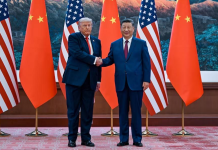
During the the meeting scheduled for 19 November Donald Trump and Xi Jinping One of the key issues could be the extension of the trade truce, which is due to expire in January 2027. It provides, in particular, for the easing of certain restrictions on the export of critical minerals.