Iran is approaching a revolution that could change the global balance of power
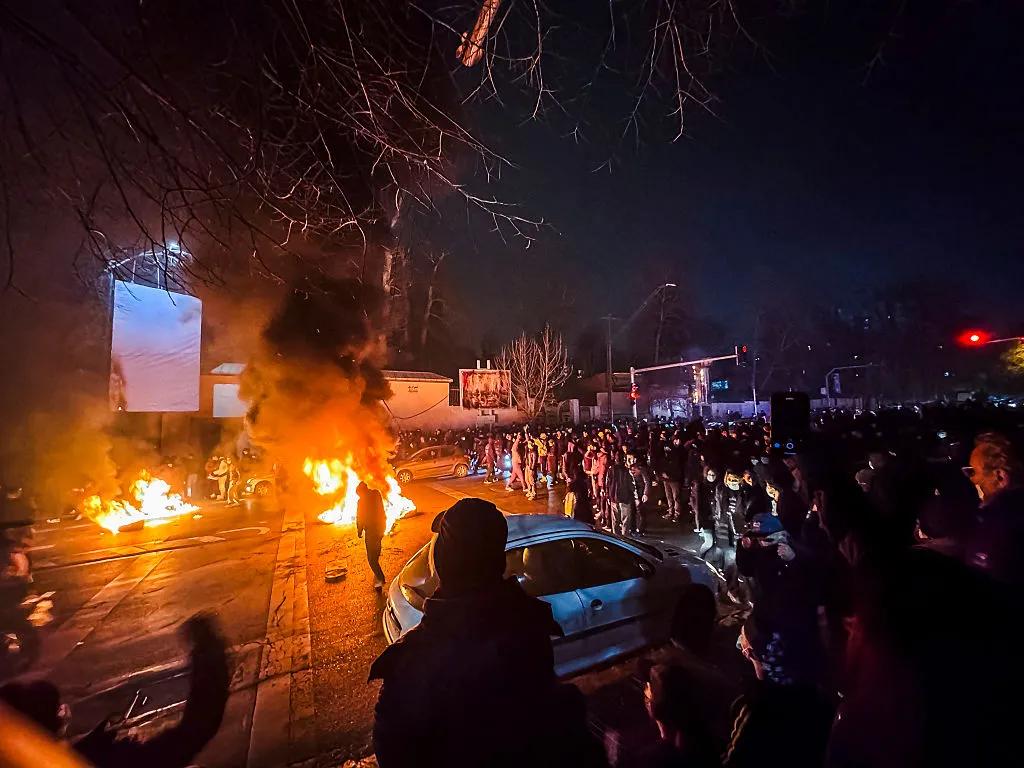
Iran is on the verge of large-scale political changes: mass protests caused by the economic crisis and the collapse of the national currency have turned into open demands for the overthrow of the current regime. This was reported by Bloomberg with reference to its own sources and analysts.
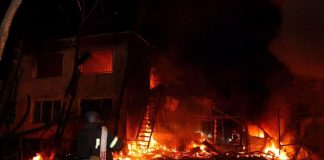
According to the newspaper, more than 500 people were killed during the suppression of the demonstrations, and about 10,000 others were detained. Despite the severe restrictions imposed by the authorities, protest activity in the country has not diminished.
Details of the case
The Iranian authorities are trying to contain the spread of protests by blocking the Internet and mobile communications. However, as Bloomberg notes, this does not stop the mobilisation of citizens - the actions are spreading to new cities and regions.
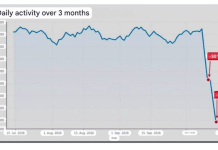
The economic situation remains a key catalyst for the protests: a sharp decline in purchasing power, inflation and shortages of basic goods have increased social tensions. Demonstrators are increasingly putting forward not only economic but also political demands.
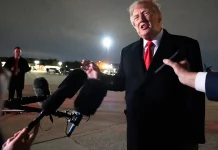
At the international level, the United States openly sided with the protesters. President Donald Trump has publicly declared its readiness to consider tough steps in the event of further repression by the Iranian authorities.
Context.
Analysts warn that the possible fall of the ayatollahs' regime could significantly change the balance of power in the Middle East, affecting regional security and global energy markets. Oil prices are already rising amid instability.
Bloomberg predicts that by the end of 2026, the Islamic Republic may not survive in its current political format. This poses risks to the global economy, energy security and geopolitical stability in the region.
For Ukraine and Europe, potential changes in Iran are important in terms of global supply chains, energy prices, and overall international security.