The G7 finance ministers are meeting to jointly respond to growing trade imbalances and tensions in global trade. The meeting stressed the need to maintain unity in the face of economic uncertainty.
G7 discusses trade challenges
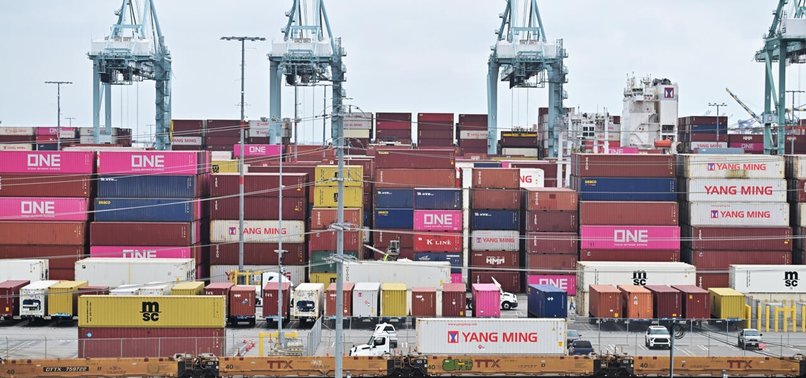
Finance ministers of the Group of Seven countries met to find solutions to overcome imbalances in global trade and strengthen unity among the world's leading economies. As reported by Reuters, The key issues were threats to financial market stability and the impact of China's trade policy on global supply chains.
The main highlights of the meeting
The discussions focused on how to avoid further escalation of tensions between the world's largest economies. The finance ministers stressed the importance of open markets and fair competition. Particular attention was paid to the following issues subsidies, which, according to the G7, can distort competition and increase trade imbalances.
At the same time, according to sources, G7 countries seek to maintain policy coordination in order to better respond to new challenges posed by geopolitical risks and changes in economic relations. Importantly, the participants agreed to intensify dialogue with non-G7 countries to find common solutions.
Impact on the global economy
The decisions made by the G7 finance ministers are essential for the stability of the global economy. Key topics include countering protectionism, supporting innovation and developing sustainable supply chains. Participants emphasise that coordination of actions will allow for a faster response to potential crises and minimise risks to international trade.
Increased cooperation between the G7 countries may signal to other market players the importance of adhering to transparent rules of the game. At the same time, the question of China's role in the global economy remain the subject of special attention.
Why it matters
Finding ways to overcome trade imbalances and maintaining unity among the G7 countries is key to ensuring predictability in global markets. The outcome of these negotiations will affect not only the economic stability of developed countries, but also the further development of the global economy in the face of growing competition and geopolitical challenges.