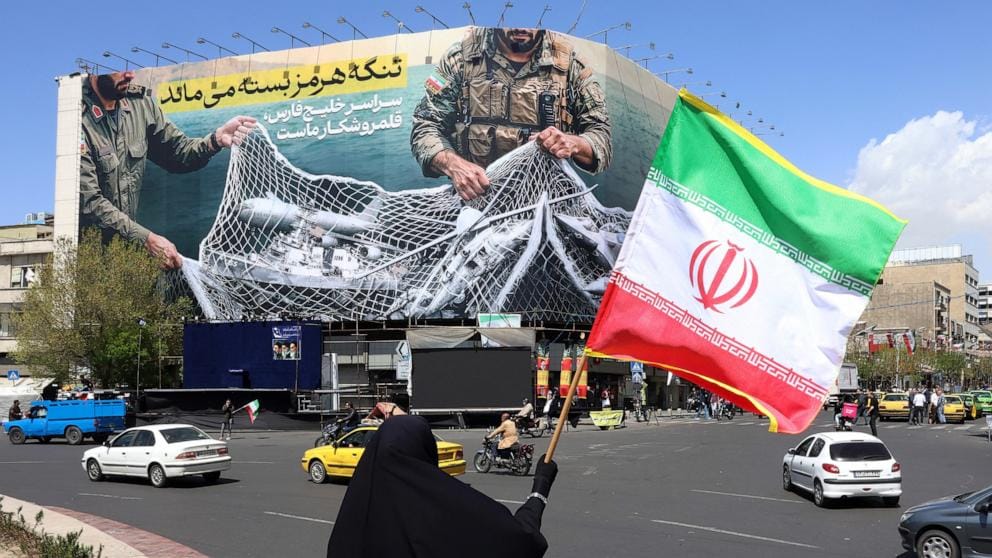
Iran is experiencing one of the most serious economic crises in recent years. Despite harsh sanctions and inflation, experts doubt that economic collapse will happen quickly enough to change the country's political course.
Iranian economic crisis deepens
According to the information Reuters, The economic situation in Iran is approaching a critical point. The sanctions imposed on the country have led to a sharp depreciation of the national currency and a rise in prices for basic commodities. The government is facing increasing difficulties in ensuring social programmes and stability of the domestic market.
Economists note that the inflation rate in Iran remains one of the highest in the region. The population is experiencing a shortage of essential goods, and businesses are cutting production due to a lack of imported components. This puts additional pressure on the labour market and increases unemployment.
Sanctions and domestic policy
Despite international pressure, The Iranian authorities have not shown any willingness to make significant political concessions. According to analysts, the sanctions are increasing the country's isolation, but at the same time stimulating the development of the shadow economy. The authorities are trying to maintain control over the situation by imposing restrictions on foreign exchange transactions and food prices.
Experts point out that Iran's current policy is aimed at preserving the stability of the regime, even at the cost of further deterioration in economic performance. This could delay the country's recovery from the crisis and complicate negotiations with Western partners.
International Implications of the Economic Situation in Iran
The deepening economic crisis in Iran has a significant impact on regional security and the energy market. Declining oil and gas exports are driving up global energy prices. Iran's neighbouring countries are concerned about a possible increase in migration pressure and instability at the borders.
Analysts note that the ongoing economic instability in Iran could lead to new political challenges for the international community. At the same time, the lack of rapid changes in the country's domestic policy reduces the likelihood of a constructive dialogue with the West in the near future.
Why it matters
The deepening economic crisis in Iran poses risks for both Iran and the international community. The absence of rapid changes in the country's policy could lead to further isolation and deterioration of the humanitarian situation.
Economic pressure, which is supposed to be an instrument of influence on the Iranian authorities, has not yet demonstrated the expected results. This calls into question the effectiveness of the sanctions policy and increases the risk of destabilising the entire region.