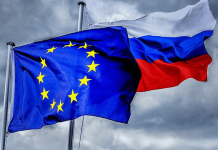
France is stepping up military preparations for a possible clash with Russia. President Emmanuel Macron will attend large-scale exercises to practice fighting with Russian troops. The army is modernising its weapons and preparing to create a new division.
France simulates battles with Russia
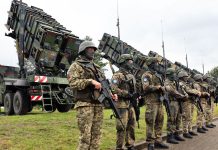
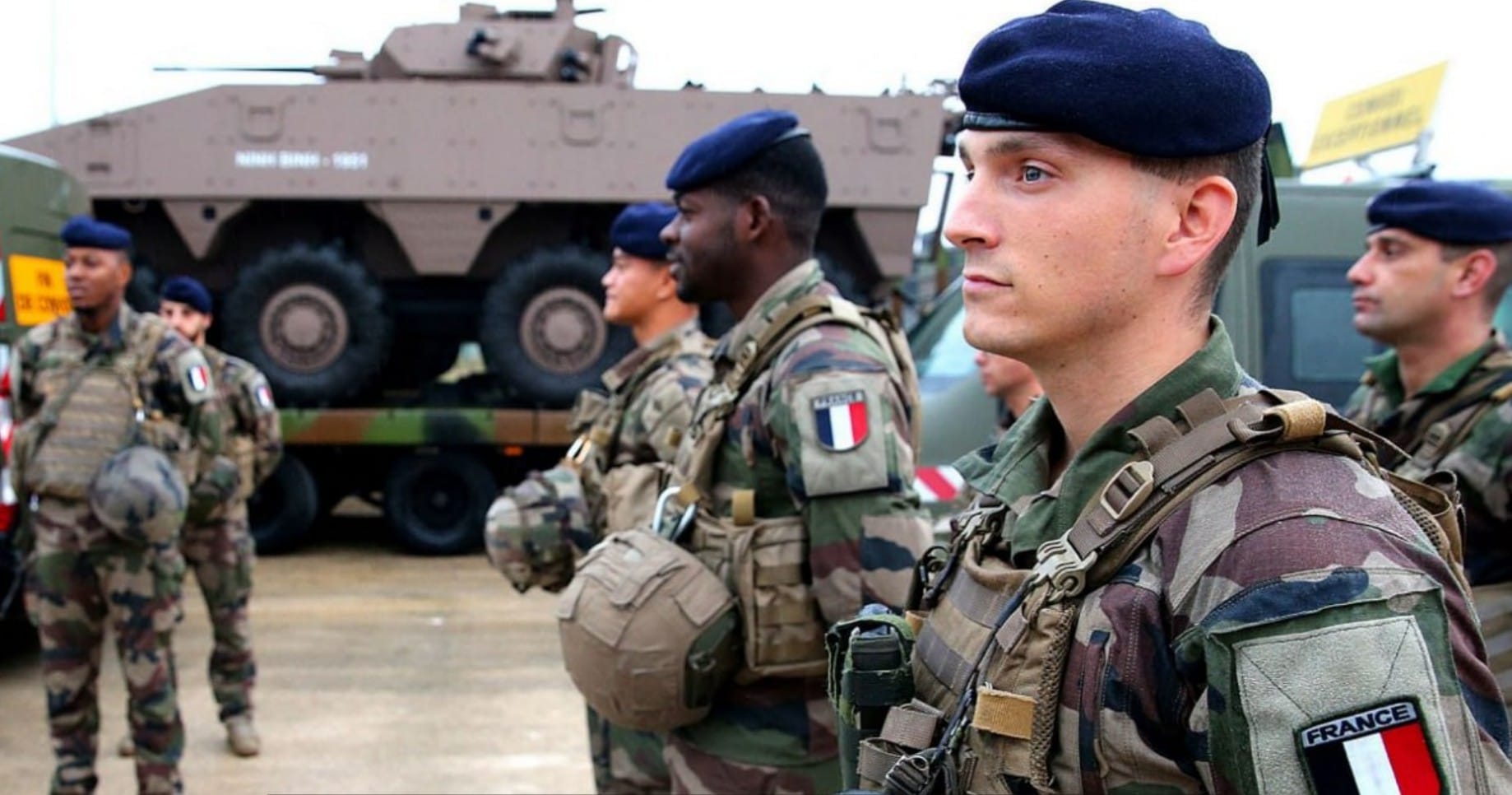
President of France Emmanuel Macron today is leaving for military exercises, during which the French army is rehearsing scenarios of a possible clash with Russian troops. To. information Le Monde, The exercises will simulate battles at sea, in the air and on land, as well as assaults under drone strikes.
The exercise is attended by the country's military leadership, including the Chief of the General Staff Fabienne Mandon, which calls on the army to be ready for a real clash with Russia in the coming years. The French command stresses the need to adapt tactics and technologies to modern threats.
Modernisation of the army and weapons
France plans to create a new full-fledged division by 2027, capable of operating both independently and as part of the NATO coalition. This should strengthen the defence capabilities of the country and its partners in Europe. Particular attention is paid to the development of modern means of warfare, including drones and precision weapons.
By 2030, the French military plans to increase its stockpile kamikaze drones by 400%, SCALP cruise missiles by 85%, and anti-aircraft missiles by 30%. Such intentions indicate serious preparations for a possible large-scale conflict and a rethinking of the country's defence strategy.
Nuclear deterrence and cooperation with the EU
Emmanuel Macron proposed to discuss the possibility of deploying French strategic bombers in EU partner countries. This is aimed at strengthening the European nuclear deterrent and enhancing collective security.
The French president's initiative underscores Paris' desire to play a leading role in European defence policy and guarantee the protection of its allies in the event of a threat from Russia.
Why it matters
France's increased military training and modernisation of its army is a response to growing security risks in Europe. Simulations of battles with Russia, the build-up of weapons stockpiles, and proposals for nuclear deterrence demonstrate the seriousness of Paris' intentions.
These steps could affect the balance of power in the region and send a signal to other EU countries that they need to strengthen their defence capabilities. At the same time, such a strategy could increase tensions between the West and Russia, which underscores the importance of coordination among allies.