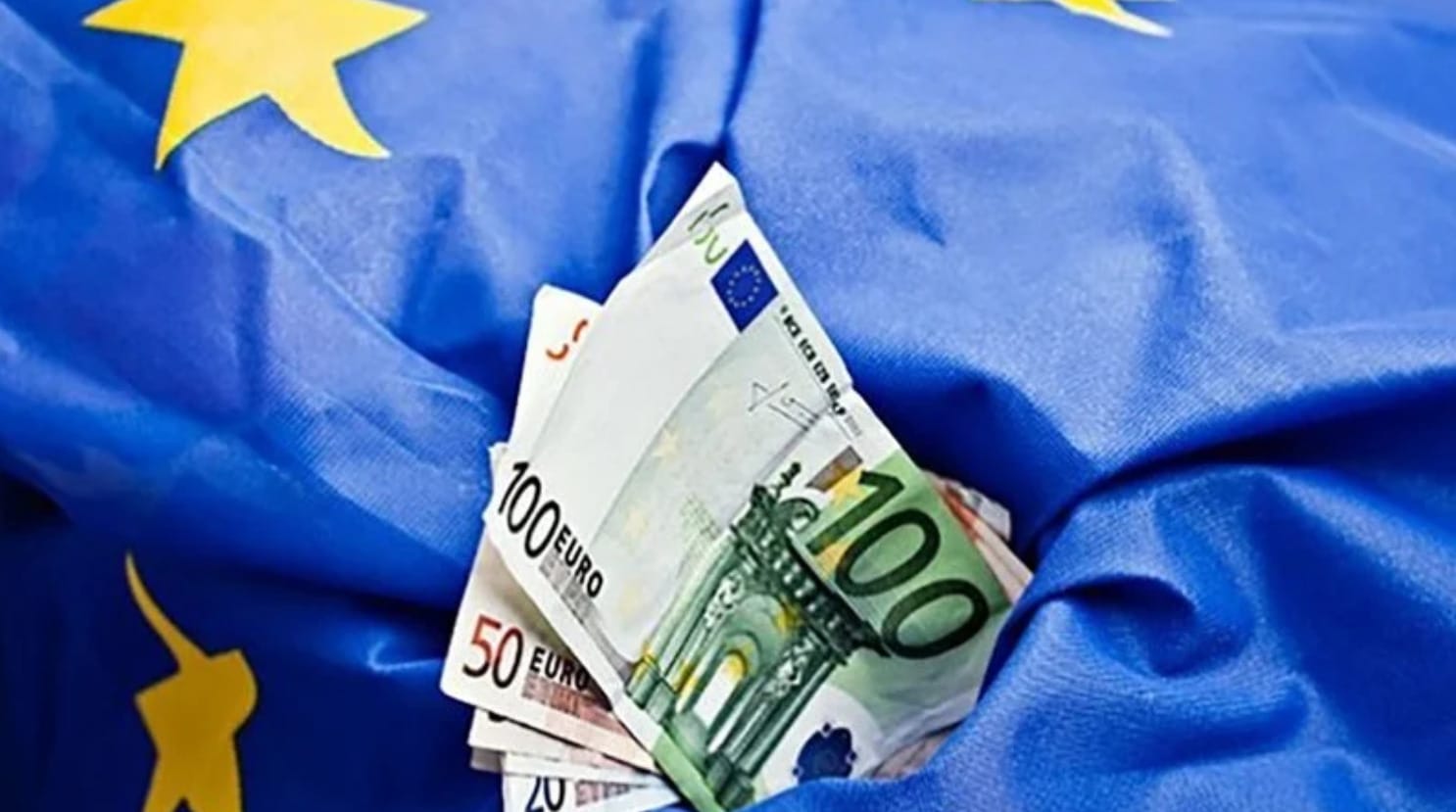
The EU is considering providing €90 billion to Ukraine, but part of this amount may be tied to the implementation of tax reforms. In particular, this includes the introduction of 20% VAT for the self-employed and small businesses with annual revenues of over UAH 4 million.
EU sets conditions for financial aid to Ukraine
The European Union is planning to provide Ukraine with €90 billion in financial support, but some of these funds are to be linked to the implementation of specific tax reforms. According to Bloomberg, about €8.4bn, which will come through the Ukraine Facility, can only be allocated if the tax system for business is changed. In particular, the introduction of a 20% value added tax for self-employed individuals and small businesses with annual revenues of over UAH 4 million is being considered. This could provide over UAH 40 billion of additional revenues to the state budget annually.
Bloomberg notes, The government has said that such requirements may become one of the main conditions for receiving part of the aid. At the same time, this raises concerns among Ukrainian entrepreneurs, as an increase in the tax burden could have a negative impact on small and medium-sized businesses.
The structure of the deal has not yet been agreed
Publications. Forbes reports that at the moment there is no legally agreed structure of the agreement between Ukraine and the EU. This means that the issue of tax reforms and other requirements is still under discussion. At the current stage, there is no official talk of binding reforms.
Among the possible options under discussion is the expansion of jurisdiction NABU to the Office of the President, reform of the State Bureau of Investigation, and increased involvement of international experts in the selection of judges to the High Qualification Commission of Judges. Final decisions on these issues have not yet been made.
Possible consequences for business and budget
If the EU initiatives are implemented, Ukrainian small businesses will face new fiscal challenges. The introduction of the 20% VAT for self-employed individuals and entrepreneurs with income over UAH 4 million may significantly increase the tax burden on this category of taxpayers. On the other hand, this will allow the state to obtain additional resources to finance the country's social and defence needs.
Discussions on the terms of the aid are ongoing, and the final list of requirements may change depending on the position of the EU and the Ukrainian government. Entrepreneurs are already expressing concern that such changes could reduce Ukraine's investment attractiveness and make it harder to do business in a time of war.
Why it matters
Linking EU financial assistance to tax reforms could have a significant impact on the economic situation in Ukraine. On the one hand, additional budget revenues will help finance key areas, primarily defence and social protection.
On the other hand, raising taxes on small businesses could become a serious obstacle to entrepreneurship and investment. The Ukrainian authorities are facing a difficult choice between the need for financial support and the risk of weakening the business environment.
Resolving this issue will determine not only the pace of reforms but also the prospects for economic growth and Ukraine's integration into the European space in the coming years.