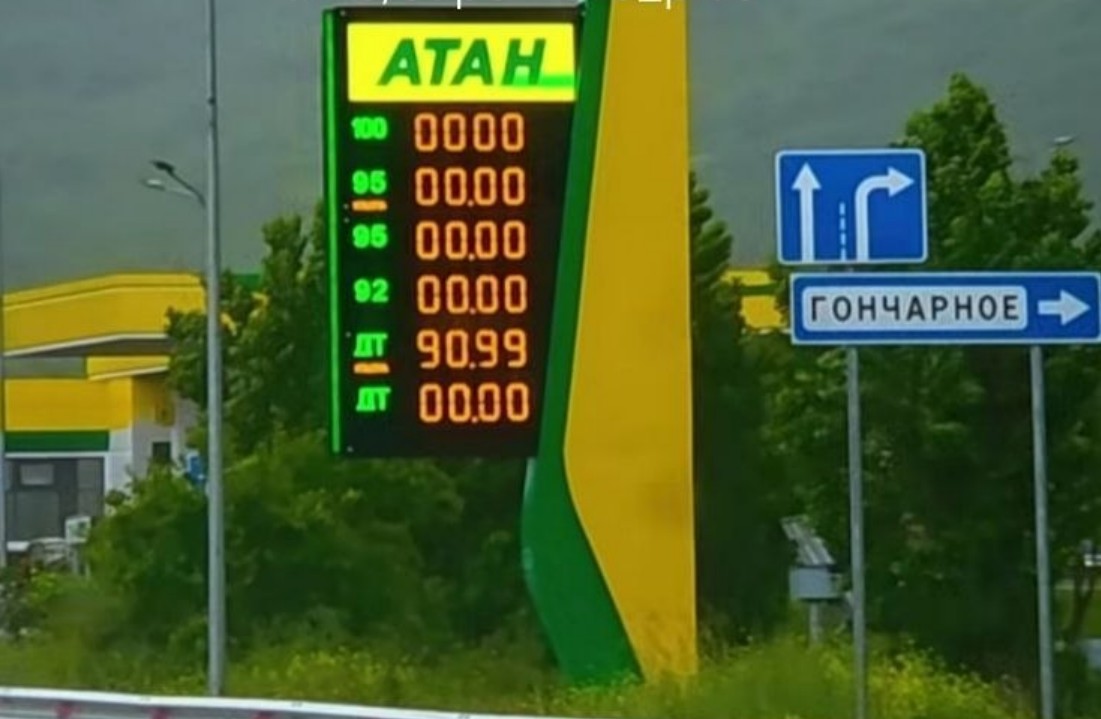
The fuel crisis has intensified in Crimea: the shortage of petrol at petrol stations has forced the occupation authorities to introduce the sale of fuel by coupons. The queues at petrol stations are kilometres long, and restrictions limit the limit to 20 litres per car. The situation has been exacerbated by disruptions in fuel supplies following strikes on Russian infrastructure.
- There is a shortage of petrol at petrol stations in occupied Crimea.
- Petrol vouchers are available mainly to businesses.
- Queues at petrol stations reach several kilometres.
- The supply disruptions are related to strikes on Russian infrastructure.
Fuel shortages and petrol sales with coupons in Crimea
An acute fuel crisis is unfolding in the occupied Crimea. Local residents report that many petrol stations are out of petrol or sell it only with special coupons. The vouchers are mainly used by businesses and organisations with existing contracts, while it has become almost impossible for individuals to buy fuel.
As a result, queues of many kilometres formed at petrol stations. Videos on social media show cars queuing for hundreds of metres or even kilometres. Locals are trying to fill up their vehicles for future use, which accelerates fuel depletion.
Restrictions by the occupation authorities
The occupation administration of the peninsula has introduced petrol rationing. The limit is no more than 20 litres per car. Despite this, the fuel often runs out before mid-day, and some petrol stations stop selling fuel completely due to lack of stock.
Causes of the fuel crisis
The fuel supply disruptions are attributed to a series of strikes on oil refining and fuel infrastructure of Russia. This complicates the logistics and supply of fuel to the occupied peninsula. Experts warn that in the event of further disruptions, the situation with petrol shortages could worsen.
Impact on the lives of Crimeans
The fuel crisis is creating additional hardship for the local population. Restrictions on petrol sales and long queues affect mobility and transport links. The lack of easy access to fuel forces people to look for alternatives or spend significantly more time refuelling.
If the fuel supply problems continue, the shortage in Crimea could worsen. This will have implications for economic activity, transport and everyday life on the peninsula, increasing social tensions in the region.