Poland has officially confirmed that it has no plans to lift the ban on imports of certain agricultural products from Ukraine. This was stated by Poland’s Deputy Minister of Agriculture, Adam Nowak, in Brussels, where he emphasised the need to protect Polish farmers and ensure the stability of the agricultural market. The decision was taken despite calls from the European Commission and protests from the Ukrainian side.
Briefly about the main points
- Poland is maintaining its ban on imports of Ukrainian agricultural products.
- The restrictions have been in place since April 2023 and cover key crops.
- Warsaw justifies the decision on the grounds of protecting farmers and the market.
- The European Commission is calling on Member States to lift unilateral embargoes.
- Ukraine considers the restrictions to be politically motivated and discriminatory.
The Polish Government’s position
Poland is not officially considering lifting its unilateral ban on imports of Ukrainian agricultural produce. The Deputy Minister of Agriculture Adam Novak stated that such a move could have a negative impact on the Polish agricultural market, local farmers and consumers.
Warsaw insists that trade liberalisation with Ukraine creates an uneven playing field, as Ukrainian producers are not required to comply with all EU standards, unlike Polish farmers. The Polish side believes that maintaining the embargo is the only way to stabilise the market.
Details of the restrictions and the list of products
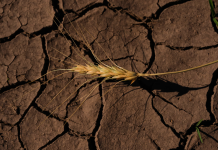
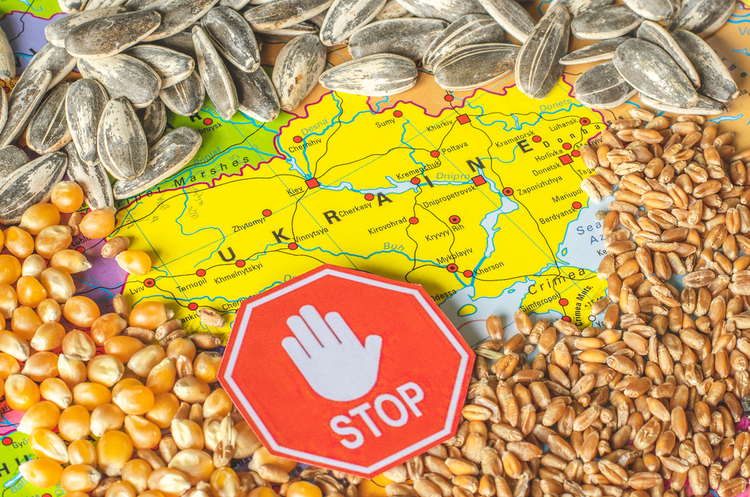
Import ban The ban on Ukrainian agricultural products being exported to Poland has been in force since April 2023. It applies to crops such as wheat, maize, rapeseed and sunflowers, as well as a range of products derived from them.
Following the update to the Ukraine–EU trade agreement in October 2025, Poland kept its embargo in place, despite the pan-European policy of opening up the market to Ukrainian products. Similar restrictions are also in place in Slovakia and Hungary.
- Wheat
- Maize
- Rapeseed
- Sunflower
- Processed products from these crops
The reaction of the European Commission and Ukraine
The European Commission has repeatedly called on Poland and other Member States to lift unilateral restrictions, emphasising the need for a unified approach within the EU. During a recent visit to Poland, the European Commissioner Christoph Hansen called for a compromise, but the Polish government remained unyielding.
The Ukrainian government has repeatedly lodged protests, considering such restrictions to be politically motivated and contrary to the principles of the EU single market. Demand for Ukrainian agricultural products in the EU remains high, and duty-free export quotas are being used up quickly.
Market implications and future prospects
The continuation of the embargo is causing tension in relationships between Ukraine and Poland, and also complicates negotiations on Ukraine’s further integration into the European market. Polish farmers are granted additional protection, but this may affect prices and the availability of products for consumers.
It is not yet known whether the European Commission plans to impose sanctions or other measures against Poland and other countries that maintain unilateral restrictions. The prospects for a compromise on the standards and conditions governing access for Ukrainian products remain uncertain.