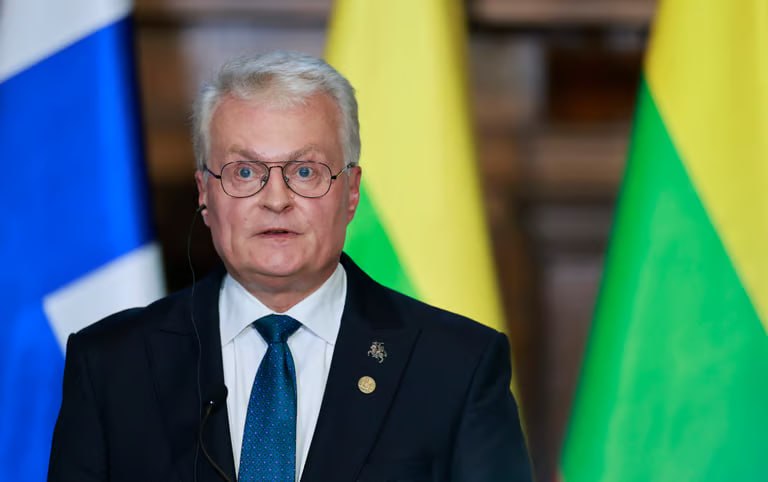
Lithuania is considering the possibility of lifting the constitutional ban on the deployment of nuclear weapons. President Gitanas Nausėda has announced that the parliamentary parties support this idea.
- Lithuania plans to lift the ban on nuclear weapons enshrined in its Constitution.
- President Gitanas Nausėda supports the changes in light of new threats.
- The possibility of stationing US nuclear weapons is being considered.
- The changes could strengthen Lithuania’s defence capabilities within NATO.
Lithuania on the cusp of changes to its security policy
President of Lithuania Gitanas Nausėda announced an initiative to lift the constitutional ban on the deployment of nuclear weapons. The leaders of the parliamentary parties expressed almost unanimous support for this move. In their view, the current provision no longer meets modern security challenges, particularly following Russia’s full-scale invasion of Ukraine.
Naudesha emphasised that Lithuania, as a member NATO, must not remain in the «grey zone» of deterrence. This means that the country is seeking to play a more active role in security matters, which may include the possibility of stationing US nuclear weapons on its territory.
«Amending the Constitution will allow us to respond more flexibly to security threats and will expand the scope for cooperation with our NATO allies,» the President said.
Although no decisions have yet been taken regarding the actual deployment of nuclear weapons, the constitutional amendments will create the legal framework for considering such a scenario in the future. Vilnius regards this possibility as a key element of its policy to deter Russia and strengthen NATO’s eastern flank.
Why it matters
Amendments to the Constitution could mark one of the most significant transformations in Lithuania’s security policy in recent decades. This could significantly strengthen the country’s defence capabilities, but is also likely to provoke a negative reaction from Russia. Lithuania is seeking to adapt its defence strategy to the new realities arising from Russia’s aggression.