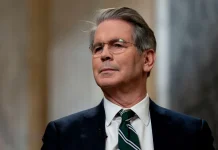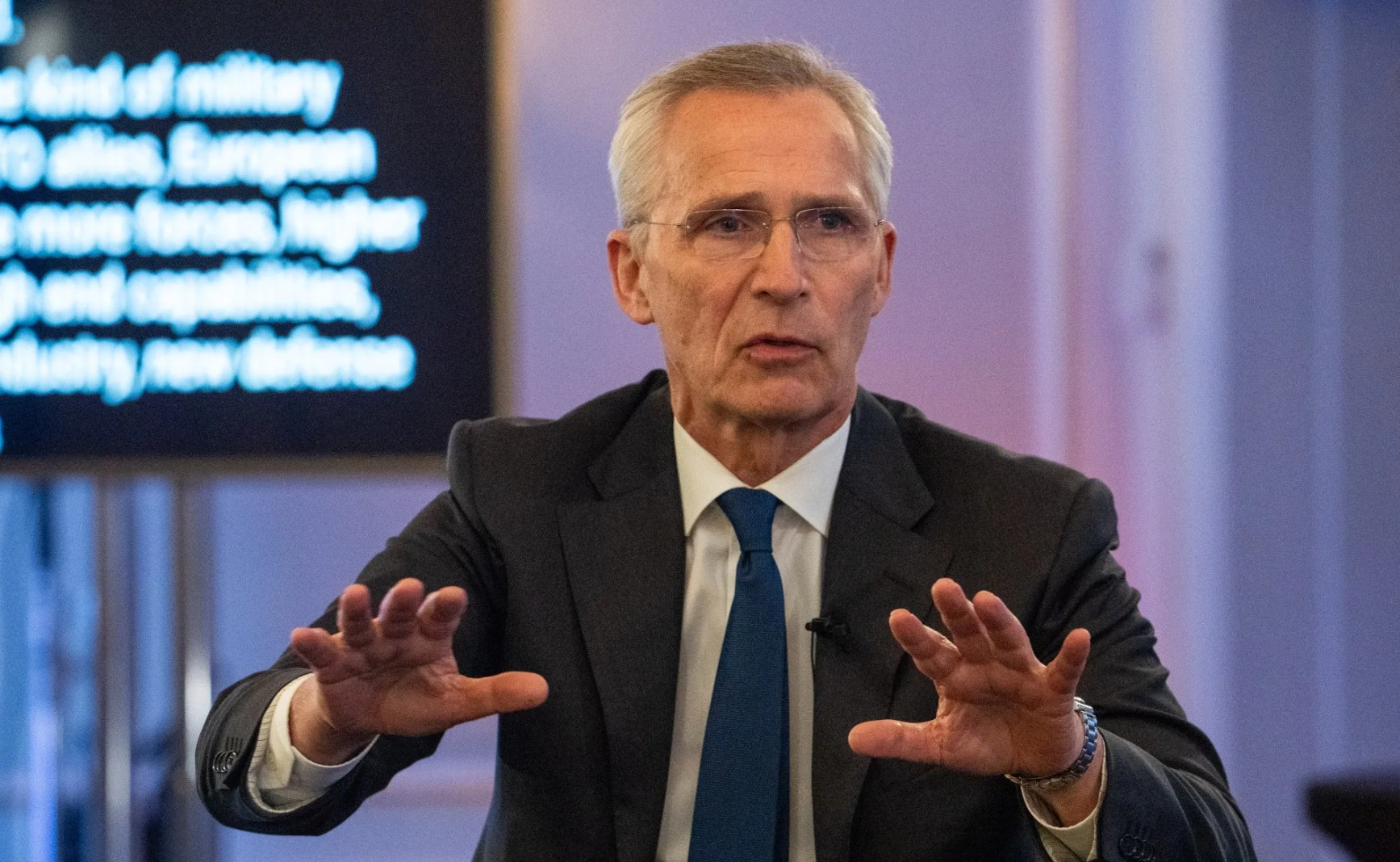
Stoltenberg, a former NATO Secretary General, described the current state of the alliance as more tense than in 2024. He stressed that maintaining unity between the US and European countries is becoming increasingly difficult, and that some actions, such as US threats to Denmark, are unacceptable. Under his leadership, NATO has undergone significant military strengthening and expansion.
- Jens Stoltenberg said that NATO's governance will become more complex after 2024.
- He highlighted the tension between the US and its European allies in NATO.
- Stoltenberg considers it unacceptable for the US to threaten Denmark because of its ambitions for Greenland.
- Under his leadership, NATO conducted its largest military buildup since the Cold War.
- NATO admitted Finland and Sweden to the alliance during his term.
The challenges of NATO governance after 2024
Stoltenberg, who led NATO from 2014 to 2024, said that leading the alliance has become more difficult than during his tenure. He noted that tensions between the United States and European allies have increased, making it harder to maintain unity in NATO.
Stoltenberg stressed that the task of the alliance is to maintain a close connection between North America and Europe, but there are lines that must not be crossed. He pointed out the inadmissibility of threats to the United States Denmark, keeping in mind the ambitions of the president Donald Trump in relation to acquisition of Greenland.
Military strengthening and expansion of the alliance under Stoltenberg's leadership
Under Stoltenberg's leadership, NATO has carried out its largest military build-up since the Cold War. This was in response to Russia's aggressive actions, including the annexation of Crimea and the full-scale invasion of Ukraine.
In addition, under his leadership, Finland and Sweden were admitted to the Alliance, which was an important step in strengthening Europe's collective security. These decisions reflect changes in the continent's security landscape.
Political context of tensions between the US and Europe
Stoltenberg noted that relations between the United States and its European allies in NATO have deteriorated. His criticism of the Donald Trump administration's actions on Greenland has become a symbol of these problems. It demonstrates that even within the alliance, serious disagreements can arise.
This creates challenges for maintaining the unity of the alliance, which remains a key factor in global security. Stoltenberg stressed that a balance must be sought between the interests of different NATO members to prevent the coalition from disintegrating.
The implications of the Stoltenberg conclusions for NATO's future
Stoltenberg's assessment demonstrates the need for new approaches to managing the Alliance in a rapidly changing geopolitical environment. The increased level of tension between NATO members requires increased diplomacy and compromise.
In the face of military challenges and political disputes, the alliance must maintain its effectiveness and collective defence capabilities. The former secretary general's findings could stimulate discussions about reforming NATO and strengthening cooperation among its members.