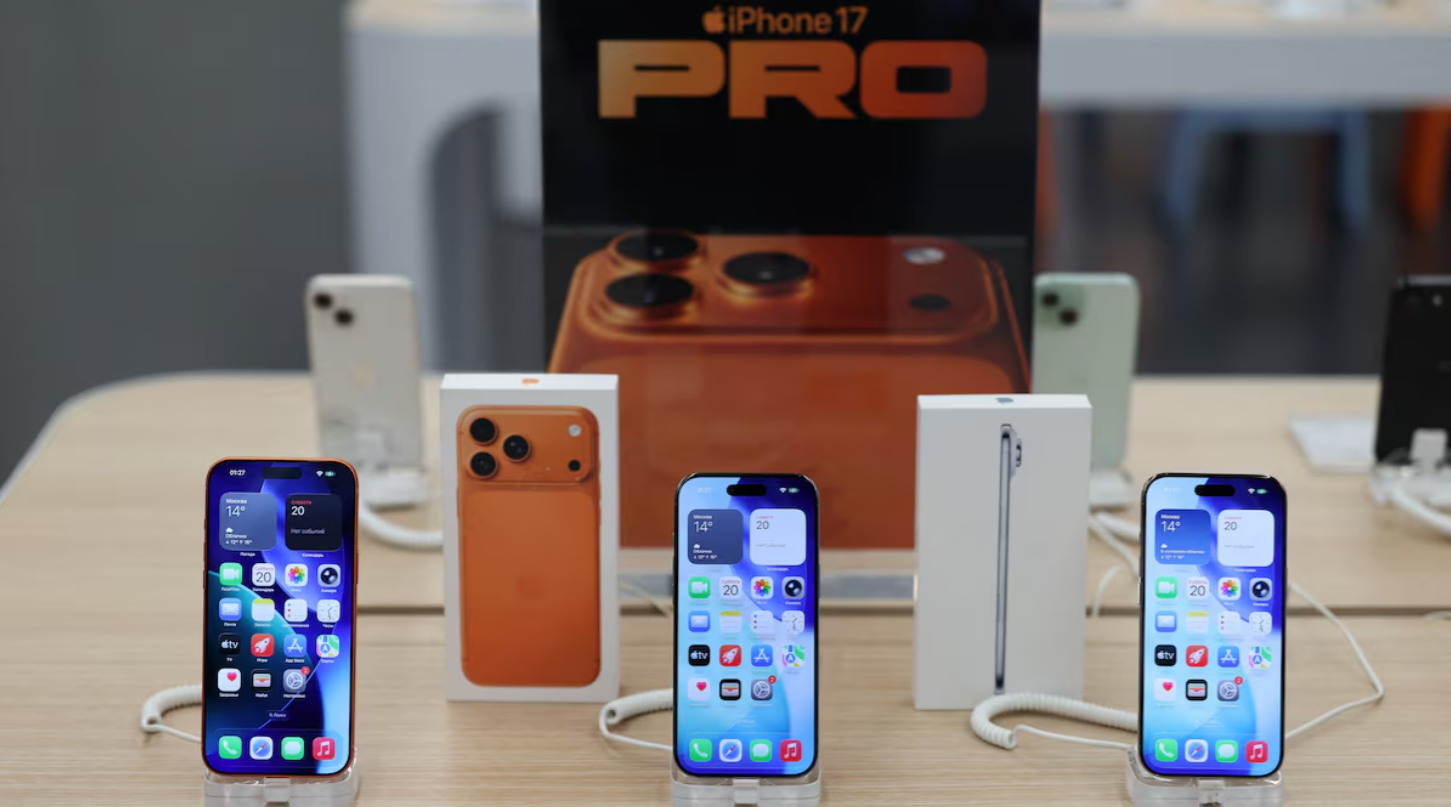
On 17 July, Apple briefly took the top spot by market capitalisation, overtaking Nvidia. Apple was valued at $4.88 trillion, whilst Nvidia’s market capitalisation stood at around $4.86 trillion following a 3.5% fall in its share price. Reuters attributes the change in leadership to investors taking a broader view of the potential beneficiaries of developments in artificial intelligence.
Briefly about the main points
- Apple was valued at $4.88 trillion, whilst Nvidia was valued at around $4.86 trillion.
- The change in the leading stock took place during trading, rather than at the close of the session.
- Nvidia shares fell by 3.5%, giving up some of their earlier gains.
- Apple has unveiled Siri AI, but the product is currently only available to developers.
- Investors are increasingly turning their attention to the wider AI ecosystem.
Apple’s lead does not yet signify a lasting change
Apple has regained the top spot by market capitalisation for the first time since April last year. However, this is a snapshot taken during trading: the figures may still change before the close of trading.
Nvidia It held the top spot among public companies for almost a year. In October, it became the first company in the world to have a market capitalisation exceeding $5 trillion. The company remains one of the main beneficiaries of spending on AI, as its graphics processing units are used in a significant proportion of generative AI systems.
Apple’s focus on Siri and its ecosystem
Reuters notes that investor sentiment regarding Apple have changed. Previously, the company was seen as lagging behind in the AI race, as it did not spend large sums on model development. Now, the market recognises its potential to monetise AI through services, device updates and its own ecosystem.
On 8 June, Apple unveiled Siri AI — a new version of the assistant designed to understand personal context and on-screen content, and to work with up-to-date information from the internet. The product is currently open for testing by developers, and the company plans to release a public beta version later in 2026.
The initial launch will have some limitations: Siri AI will require compatible new devices, and in the EU it will not initially be available on the iPhone, iPad or Apple Watch. In China, the service will not go live until regulatory requirements have been met. Consequently, market expectations centre on future monetisation rather than the already confirmed commercial impact of the new assistant.
The financial figures supported the revaluation
For the quarter ending 28 March, Apple’s revenue rose by 17% year-on-year to $111.2 billion. Earnings per share rose by 22% to $2.01. The company also reported a record March quarter for the iPhone and record revenue from its services segment.
Apple has approved an additional share buyback programme worth up to $100 billion. According to Tony Meadows, Head of Investment at BRI Wealth Management, the revaluation reflects investors’ confidence in the stability of Apple’s earnings, rather than merely speculative expectations regarding AI.
Interest in AI extends beyond GPU manufacturers
Nvidia’s decline comes against the backdrop of a broader reassessment of valuations across the sector. The Philadelphia SE Semiconductor Index fell by nearly 19% from its all-time highs in July, although the index had outperformed Nvidia since the start of the year.
Investor attention is also turning to manufacturers of the memory required for AI infrastructure. In May, Micron approached a valuation of $1 trillion against a backdrop of expectations of higher demand for AI memory and long-term contracts. SK hynix began trading its ADRs on Nasdaq on 10 July; the exchange described the company as a major supplier of HBM memory for cutting-edge AI accelerators.
This may not indicate that Nvidia is losing its role in the AI boom, but rather that the range of companies which investors regard as potential beneficiaries is expanding.
A change in Apple’s leadership is on the horizon
Apple’s market re-evaluation comes on the eve of a change in its leadership. On 1 September, the senior vice-president of hardware engineering John Turnus is set to become the company’s chief executive, and Tim Cook — Executive Chairman of the Board of Directors.
Cook will remain CEO throughout the summer to ensure a smooth handover, Apple has announced. The success of the launch of Siri AI and the company’s ability to translate AI features into demand for devices and services could prove to be among the first major tests for the new management structure.