The US plans to organise a trilateral meeting in October between representatives of Ukraine, Russia and the United States to discuss a limited ceasefire, according to *The Atlantic*. Abu Dhabi is cited as the most likely venue. One possible option could be a mutual agreement to refrain from strikes on energy infrastructure, although the final details of the meeting have not yet been announced.
Briefly about the main points
- Washington is planning a new trilateral negotiation format in October.
- Abu Dhabi is seen as the most likely venue for the meeting.
- Among the possible agreements is a halt to attacks on energy infrastructure.
- Kyiv agrees to consider such a move only on a reciprocal basis.
- Russia has not officially confirmed its agreement to the proposed format.
Washington wants to start with practical agreements
The US administration is attempting to steer the negotiation process back towards steps that can be implemented prior to the conclusion of a comprehensive peace agreement. According to *The Atlantic*, US representatives have been discussing various models for a partial ceasefire with the Ukrainian side, with the possibility of gradually expanding them.
One of the Ukrainian negotiators described this approach as an attempt to «narrow the scope of the conflict»: first to halt specific types of attacks, and then to move on to more complex political and military issues.
Which facilities might be covered by the energy truce?
One option involves a mutual commitment between Kyiv and Moscow not to attack energy infrastructure one another. American negotiators view this format as a possible first step towards broader de-escalation.
- power plants;
- oil refineries;
- energy hubs;
- other facilities relating to the generation and supply of energy.
Kyiv’s condition is a mutual cessation of attacks
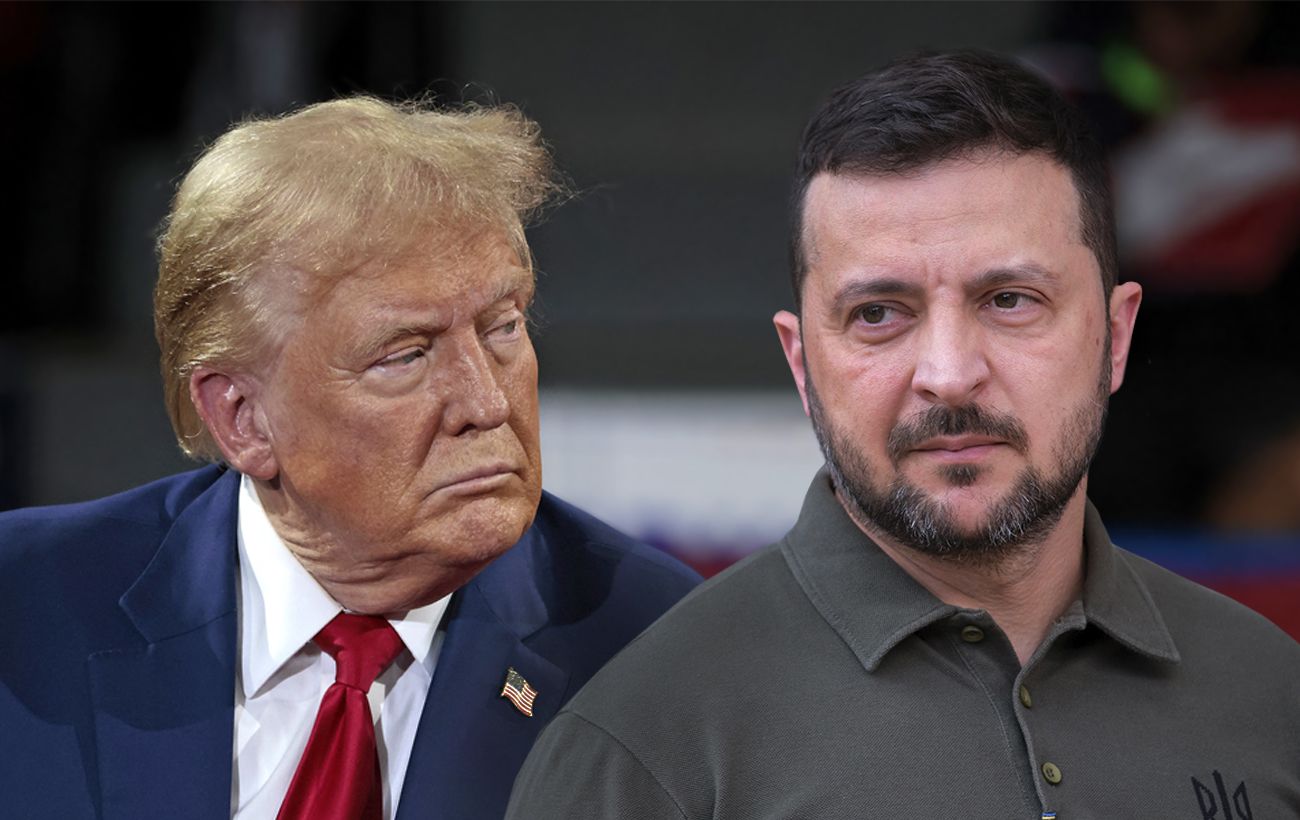
President Volodymyr Zelenskyy had previously stated that Ukraine was prepared to consider halting attacks on Russia’s energy sector only on condition of reciprocity. During his meetings з Donald Trump In New York, the parties discussed the possibility of such an arrangement.
Kyiv has refused to agree to a unilateral cessation of strikes whilst Russia continues to attack Ukrainian infrastructure. Russia regularly carries out strikes on power stations, substations and other energy infrastructure, whilst Ukrainian forces have stepped up long-range attacks on Russian oil refineries and fuel infrastructure in recent months.
Washington’s contacts with Moscow and the Ukrainian side
Reports of a possible meeting emerged against the backdrop of increased contact between Washington and Moscow. On 29 September, Vladimir Putin’s special representative Kirill Dmitriev held talks in Washington with US officials regarding the war in Ukraine, possible ways to bring it to an end, and energy issues.
Earlier, US representatives Steve Witkoff and Jared Kushner visited Moscow and subsequently held talks with Zelenskyy and the Ukrainian team. The issue of a partial ceasefire has become one of the focus areas of US diplomacy.
Unresolved issues will remain outside the scope of the narrow agreement
Even if an energy truce is agreed, it will not mean the end of the war. Kyiv and Moscow have serious differences over the occupied territories, security guarantees for Ukraine, the future of the Ukrainian army and the terms for a complete cessation of hostilities.
At present, the focus is on preparing for the talks, not on an agreement that has been reached. Russia has not officially confirmed its willingness to support the proposed format.