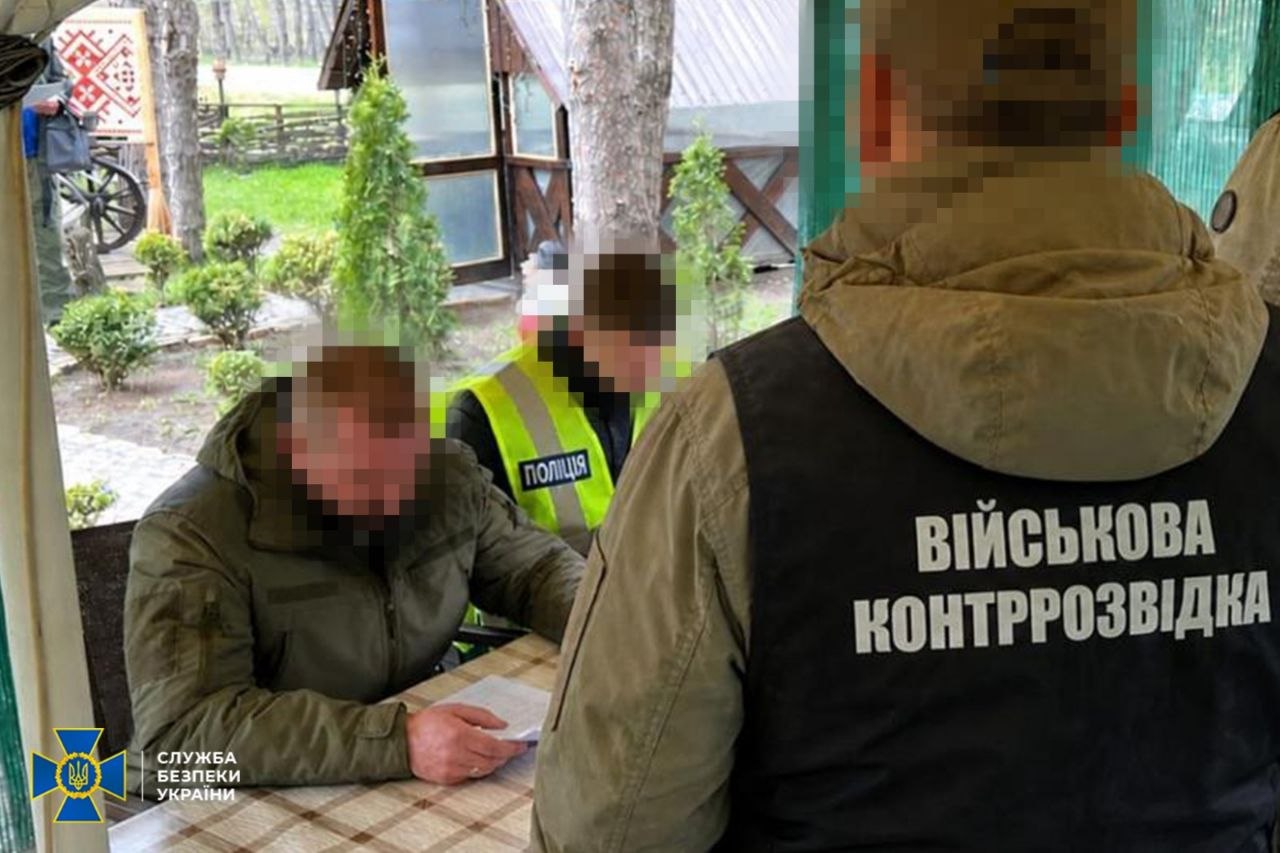
Four new schemes for evading military service and mobilisation have been uncovered in Ukraine. The Security Service, the State Bureau of Investigation and the National Police, together with the Commander-in-Chief of the Armed Forces, detained those involved in the sale of «rear» positions and forgery of documentation.
Details of the exposed schemes
Pros. information law enforcement officers, military counterintelligence operatives of the SBU, the SBI and the National Police, in cooperation with the Commander-in-Chief of the Armed Forces of Ukraine, conducted comprehensive measures and identified four new corruption schemes related to service evasion during martial law.
In Chernihiv region A military unit commander was detained. According to the investigation, he transferred mobilised soldiers from combat units to the Chernihiv garrison for money. It is documented that the defendant registered three soldiers as «rear-guards» and received almost UAH 2 million for this.
In the Zhytomyr region The commander of one of the brigades of the Armed Forces of Ukraine was exposed. He recruited his friends and relatives to his unit, but they did not actually perform their duties, did not appear in the units and stayed at their place of residence. The official took the bank cards of his «subordinates» and embezzled their salaries, thus receiving UAH 370,000.
In Khmelnytsky region The deputy commander of the AFU training centre was suspected. In return for bribes of USD 5,000, he transferred mobilised people to rear units, promising letters of recommendation and influence on commanders he knew.
In the Lviv region a contract soldier of the border guard detachment was detained red-handed. For USD 16,000, he offered to «write off» evaders from military registration, involving his friends in the TCC, who would issue a certificate of unfitness for service for money.
Legal qualifications and liability
All the defendants have been notified of suspicion under the articles of the Criminal Code of Ukraine related to aiding and abetting in the misappropriation of property, abuse of influence, power or position, and evasion of military service under martial law. They face up to 10 years in prison.
The investigation is ongoing under the supervision of specialised defence prosecutors in the Central and Western regions. Law enforcers continue to uncover schemes that undermine the country's defence capability.
Why it matters
Exposing schemes is critical to ensure fair mobilisation and effective functioning of the Armed Forces. Corruption in the defence sector not only undermines combat readiness, but also undermines public trust in institutions. Strengthened oversight and the inevitability of punishment should be key tools in the fight against such offences.