In the temporarily occupied town of Oleshky in the Kherson region, a ceasefire came into effect at 03:00 Kyiv time on 27 October to allow a humanitarian operation to take place. The agreements provide for the delivery of aid to local residents and the creation of conditions for the free movement of the civilian population. Dmytro Lubinets, the Verkhovna Rada’s Commissioner for Human Rights, reported that the Ukrainian and Russian sides are adhering to the agreed terms.
- A ceasefire came into effect at 03:00 on 27 October in the Oleshky area.
- Lubinec reported that both sides were complying with the agreements.
- The humanitarian mission involves delivering aid and making preparations to ensure the free movement of civilians.
- The agreements were reached through the mediation of the US First Lady, Melania Trump.
Lubinec confirmed that a ceasefire had come into effect in Oleshky
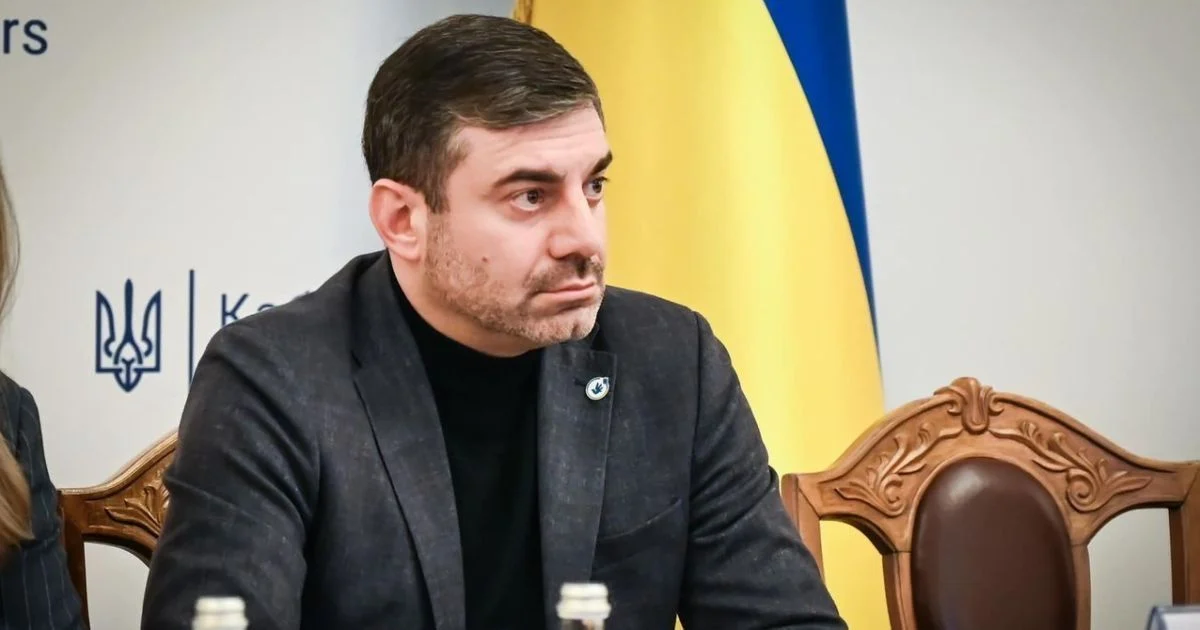
On the morning of 27 October, the Ukrainian Ombudsman Dmytro Lubinets reported that the previously agreed ceasefire in the area of the temporarily occupied town of Oleshky had come into force.
According to him, the Ukrainian and Russian negotiating teams are implementing the agreements reached. On the Russian side, the negotiations are led by the Human Rights Commissioner Yana Lantratova.
Lubinec emphasised that further information on the progress of the humanitarian mission would be made public, taking into account the safety of the civilian population and compliance with the agreed conditions.
The General Staff of the Armed Forces of Ukraine has also confirmed the introduction of a curfew in a specific area of the Kherson region. The Ukrainian military emphasised that the ceasefire is intended solely for humanitarian purposes and does not constitute a general truce across the entire front.
What does the humanitarian operation in Oleshky involve?
The mission’s main objective is to provide assistance to the residents of the temporarily occupied city, who have been living in difficult humanitarian conditions for a long time.
In accordance with the agreed terms, the operation involves the delivery of food, medicines and other essential supplies. The parties have also agreed on measures to ensure the safe movement of the civilian population, including the possibility of leaving the city.
Lubinec had previously explained that the humanitarian mission would consist of several stages. Individual activities may last from one to several days. The agreements also cover technical demining operations necessary to ensure people’s safety.
At the time the start of the ceasefire was confirmed, no official information had yet been released regarding the number of residents evacuated or the humanitarian aid delivered.
How Ukraine and Russia agreed on a ceasefire
On 23 October, the US First Lady announced that an agreement had been reached on a humanitarian mission to Oleshky Melania Trump. This was subsequently confirmed by the Ukrainian Ombudsman.
According to Lubinets, the agreement was the result of lengthy negotiations between representatives of Ukraine and Russia, coordinated by the US.
On 24 October, the Ukrainian Ombudsman held further consultations with Yana Lantratova, during which the parties finally agreed on the start time of the ceasefire — 03:00 Kyiv time, which corresponds to 04:00 Moscow time.
The humanitarian operation concerns not only Oleshky itself, but also specific areas required for the implementation of its various stages.
What is known about the safety of civilians
Oleshky has been under Russian occupation since the start of the full-scale invasion. The town is situated on the left bank of the Dnieper, opposite Kherson.
According to preliminary estimates by the Ukrainian side, thousands of civilians, including children, remain in Oleshky and neighbouring settlements. For some local residents, access to food, medicines and other essential resources remains limited.
The General Staff of the Armed Forces of Ukraine has urged members of the public to rely solely on official statements and not to share unverified information about the movements of people and humanitarian convoys.
The further course of the operation will depend on compliance with the agreed ceasefire and the ability to safely deliver aid to residents of the occupied territory.