Russian troops have intensified attacks on transport infrastructure in the Kharkiv-Sumy area, particularly near Bohodukhiv. Military technology expert Serhiy Beskrestnov reported systematic attacks that threaten the safety of civilian and commercial transport. This creates new challenges for the logistics and life support of Ukraine's border areas.
Strikes on transport infrastructure complicate logistics in Kharkiv region's border areas
- Russia intensified its attacks on the road between Kharkiv and Sumy.
- A section of road near Bohodukhiv is under threat.
- The risk to civilian and freight transport is growing.
- The attacks complicate logistics in the border regions.
Intensification of attacks on transport routes between Kharkiv and Sumy
Russian forces have focused on the transport infrastructure connecting Kharkiv and Sumy regions. According to a military technology expert Sergey Beskrestnov, The attacks on the roads used for cargo and humanitarian transport have become systematic. The section of the road near Bohodukhiv, which is approximately 20 kilometres from the state border, is particularly threatened.
Video evidence and consequences of impacts
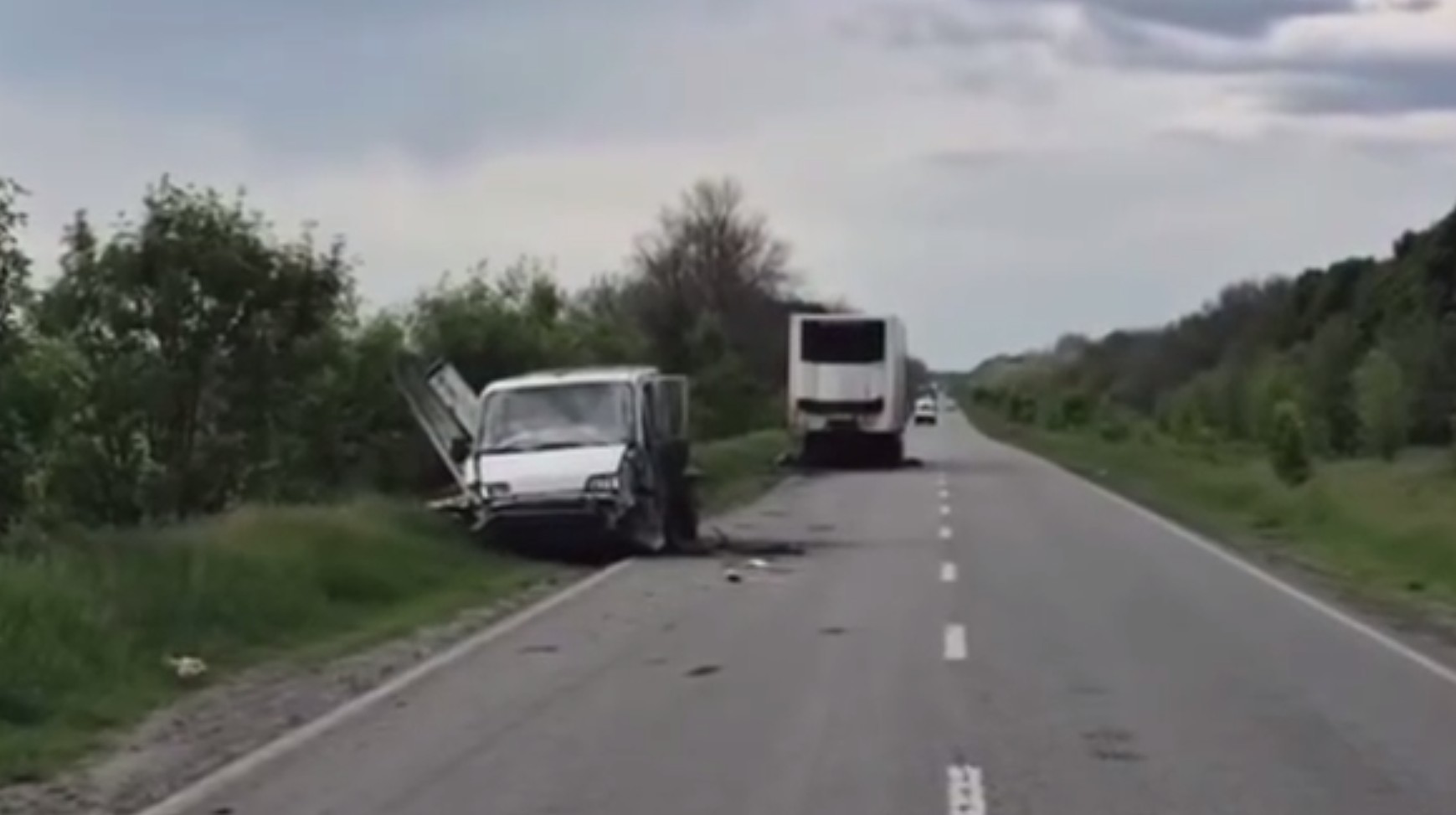
Beskrestnov posted a video from the scene of the attack, which shows a damaged truck and debris on the road. This footage confirms the activity of Russian troops in the area and demonstrates the danger to civilian drivers using the route. The incident took place near Bohodukhiv.
The importance of the route for border areas
The Kharkiv-Sumy route is of strategic importance for the livelihoods of border communities and businesses. Important cargo flows, humanitarian aid and civilian traffic pass through this road. Increased attacks on this route could complicate the delivery of necessary resources and create additional risks for local residents.
Possible implications for the region
Regular attacks on transport infrastructure indicate Russia's attempts to restrict logistics in the regions bordering Ukraine. Continued such actions could lead to significant difficulties in the transportation of goods, increased danger to civilians and an aggravation of the economic situation in the region. This increases the challenges to security and stability in north-eastern Ukraine.