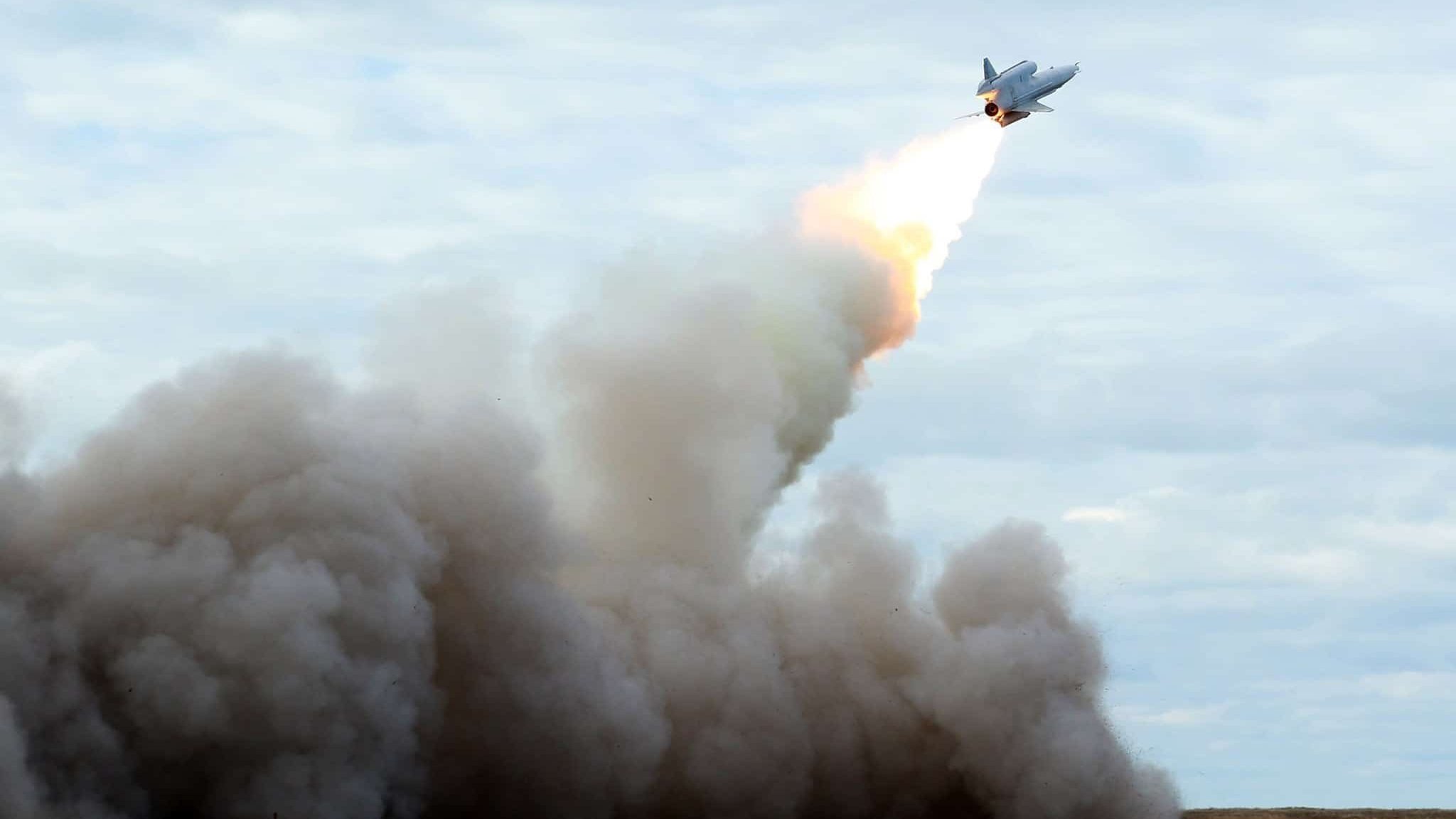
Ukraine has changed its approach to targeting Russian oil refineries, focusing on highly specialised and expensive refinery components rather than large-scale strikes on storage tanks or external buildings. Before operations, drone units consult specialist engineers and energy experts, according to the Financial Times.
Briefly about the main points
- Ukraine is shifting its focus from storage tanks to refinery process units.
- Engineers and power engineers are involved in the planning of operations.
- The targets are pipelines, distribution centres and specialised equipment.
- A failure of such components could bring the processing cycle to a halt.
- The Ministry of Defence reported that 18 major oil refineries and logistics facilities had been hit in May.
The aim is to halt the production chain
When planning attacks, specialists identify key pipelines, distribution nodes and unique equipment, without which the entire oil refining process cannot function. Restoring such elements requires complex repairs, time and significant investment.
This approach differs from strikes targeting storage facilities or external infrastructure. Damaging fuel stocks may reduce the available supply of the product, whilst the disruption of a refining unit is capable of limiting production across the entire plant.
The Ministry of Defence has already noted signs of a change in objectives
The Ukrainian Ministry of Defence reported that in May, at least 18 major Russian oil refineries and fuel logistics facilities with a combined design capacity of over 110 million tonnes of crude oil per year. The damaged equipment included the AVT-2 and AVT-4 primary distillation units and the isomerisation unit at the Perm Refinery.
The ministry explained that primary distillation units mark the start of the subsequent oil processing cycle. Shutting them down prevents the subsequent stages of the process from operating. On 29 July, Ukrainian authorities also reported strikes on oil refineries in the Perm Krai and Ryazan, according to the Associated Press.
Pressure on the fuel market and repair options
The consequences of such attacks are not limited to crude oil exports: Russia may divert some of its crude to the international market. Instead, the shutdown of refineries primarily affects the production of petrol, diesel, aviation fuel and other petroleum products.
The duration of repairs depends on the nature of the damage, the availability of components and contractors, and the likelihood of further attacks. An additional complication is US export controls on technology for the Russian oil refining sector. In July, Reuters reported that Russia had banned the export of diesel, explaining the decision as a need to secure the domestic market following systematic attacks on refineries.
The cumulative impact of attacks on refining and fuel logistics may increase pressure on domestic supply. At the same time, Russia is able to partially offset these losses through repairs and the re-routing of supply flows; therefore, the impact on each specific plant depends on its condition and the nature of the damage.