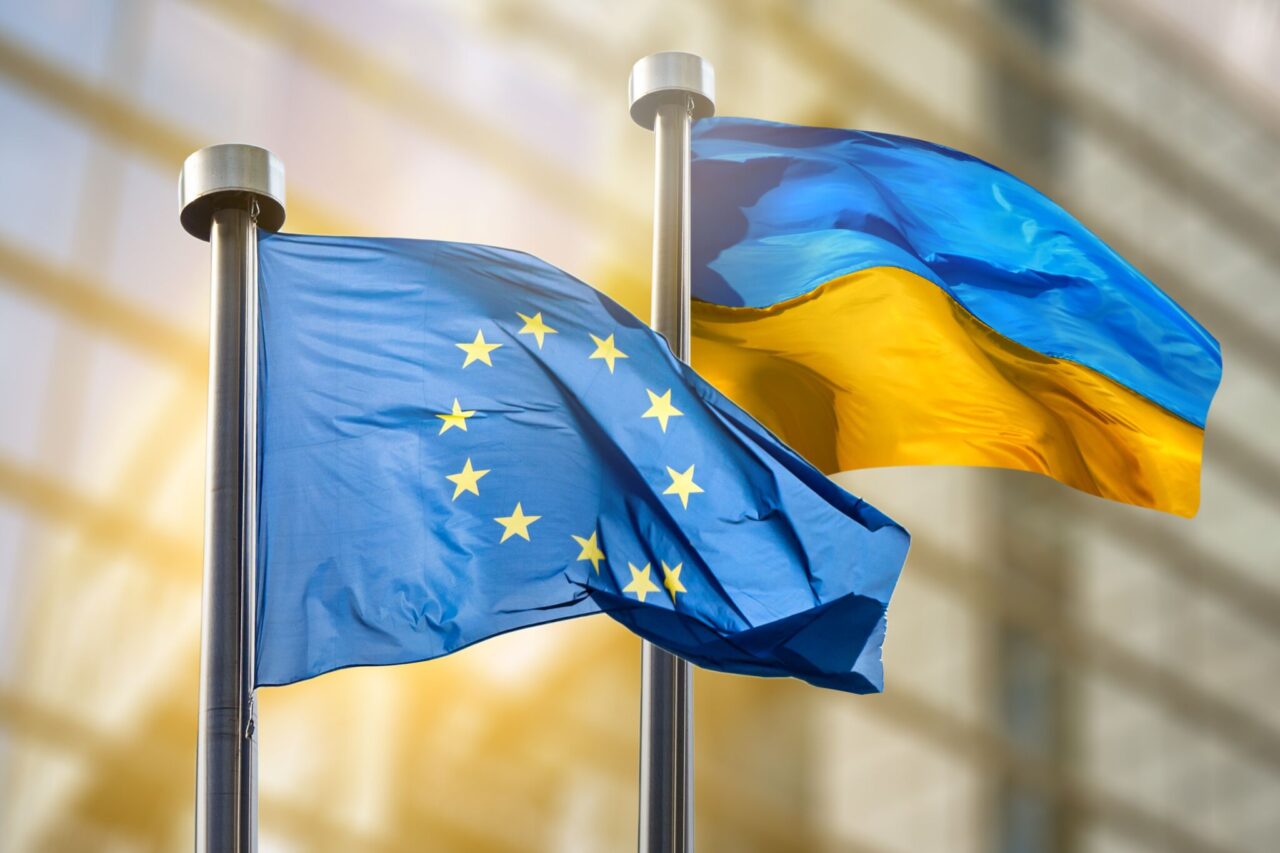
A European diplomat has criticised Donald Trump’s agreement with Vladimir Putin on the supply of Russian diesel, describing it as regrettable. According to him, the US’s temporary easing of sanctions against Russian fuel runs counter to the EU’s policy: Brussels is reducing its energy dependence on Russia and seeking to limit Moscow’s revenue to fund the war against Ukraine.
Briefly about the main points
- The EU will not abandon its policy of reducing purchases of Russian fuel.
- The US has authorised the initial shipment of over 300,000 tonnes of Russian diesel.
- The share of Russian gas in EU imports fell to 12% in 2025.
- There is no evidence of any concessions made by the Kremlin in exchange for an easing of sanctions.
- The European Council has not yet reached a common position on the agreement.
Brussels remains committed to economic pressure
Since the start of Russia’s full-scale invasion, the European strategy has combined economic pressure on Moscow with a gradual reduction in dependence on its energy resources. According to the diplomat, restrictions on fuel purchases are intended to reduce the revenue that Russia can channel into the war and to increase pressure on The Kremlin in order to put an end to the aggression.
European countries have no intention of altering this course in response to a change in Washington’s policy. The diplomat stated that the EU regrets the conclusion of the agreement between Trump і Putin.
How the EU has reduced its dependence on Russian energy supplies
Following the outbreak of the Great War, the European Union launched a programme REPowerEU, designed to phase out Russian fossil fuels. According to the European Commission, the share of Russian gas in total EU imports has fallen from 45% in 2021 to 12% in 2025.
The share of Russian oil during this period fell from 27% at the start of 2022 to 2% in 2025. Coal imports from Russia have been halted as a result of EU sanctions. The EU plans to phase out Russian liquefied natural gas by the end of 2026, and pipeline gas by 30 November 2027 at the latest.
What does the US-Russia agreement on diesel entail?
On 9 October, Trump announced an agreement with Putin on the supply of Russian diesel fuel to the US and international markets. Reuters reported that the United States had temporarily eased sanctions restrictions on Russian fuel.
In the initial phase, the agreement provides for the supply of over 300,000 tonnes of diesel; this volume may increase in the future. Trump explained the decision as a need to curb high fuel prices, which are putting additional pressure on the US economy.
US lawmakers from both parties have criticised the deal because of the risk that it could provide Russia with additional revenue to continue the war against Ukraine. According to a Reuters report dated 12 October, representatives of the Trump administration are also viewing it as a possible way of bringing Moscow back to the negotiating table to end the war. There have been no confirmed concessions from the Kremlin in exchange for the easing of sanctions.
Disagreements will not halt contacts between the EU and the US
Despite disagreeing with Washington’s decision, Brussels will continue to cooperate with the United States. The diplomat acknowledged that differences between the partners regarding the war in Ukraine had arisen before, particularly following Trump’s return to the White House.
Negotiations with the US do not always result in a complete alignment of positions, but in some cases they help to bring them closer together, he said. At the same time, he said, EU leaders maintain a common position on the need to support Ukraine. The European Council may express regret over the diesel deal, but this issue will not necessarily be a central focus of the summit.
Aid for Ukraine will be discussed at the summit in Brussels
The European Council summit will take place in Brussels on 15–16 October. One of the key topics will be further assistance to Ukraine in the face of Russian aggression. Leaders plan to discuss the country’s urgent needs ahead of winter, strengthening the protection of critical infrastructure, and Ukraine’s continued progress towards EU membership.
The agenda also includes hybrid threats from Russia, Europe’s defence readiness and high energy prices. As of 13 October, the European Council had not reached a joint decision on the diesel agreement; the EU’s future position may become clearer following the leaders’ meeting.