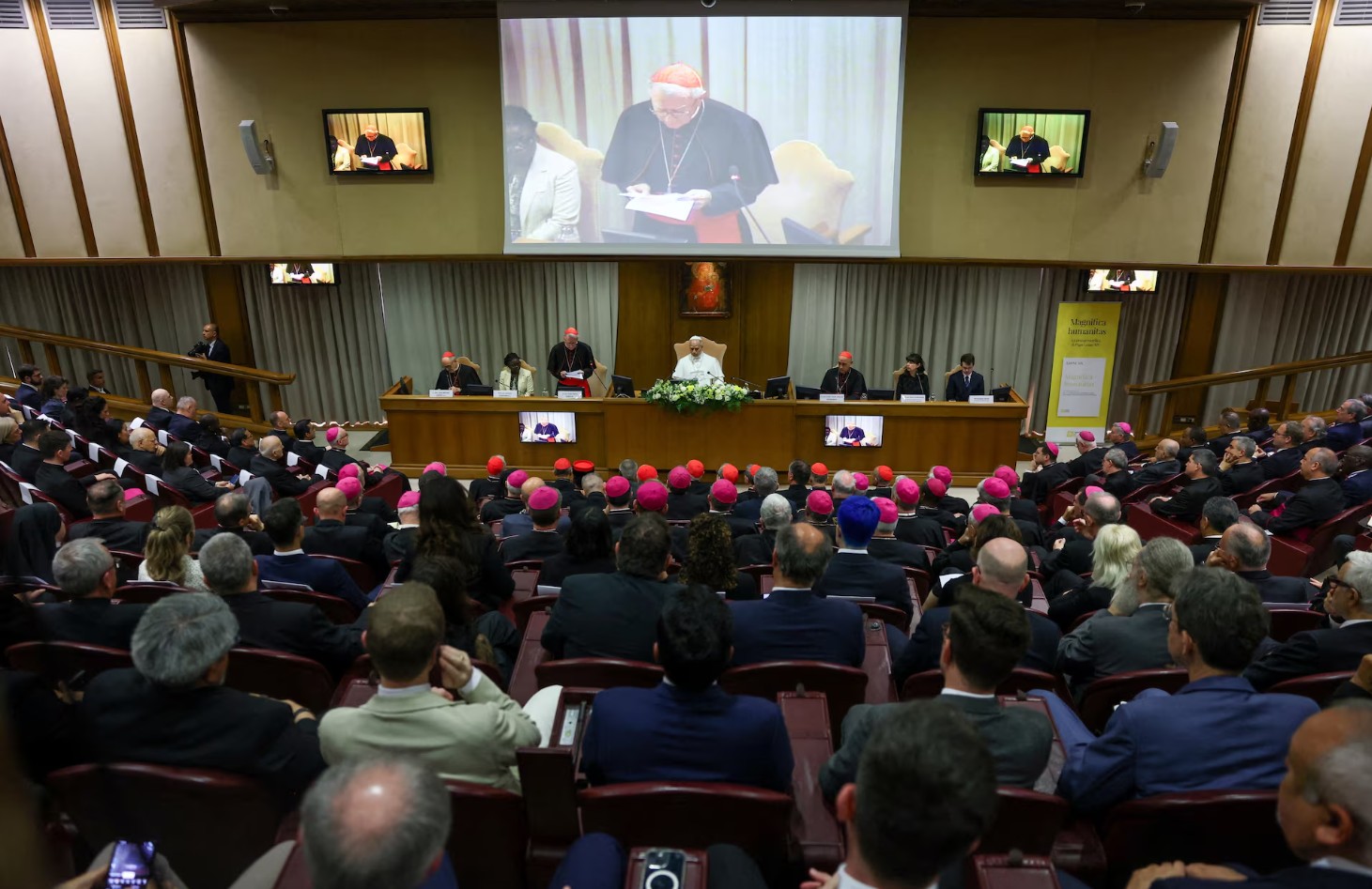
In his first encyclical, Pope Leo XIV calls on the world to slow down the development of artificial intelligence due to the threats of war and disinformation. He rejects the doctrine of «just war» and emphasises the need for state control over technology.
Pope Leo XIV calls for slowing down AI development
Pope Leo XIV has released the first major document on the risks of artificial intelligence, calling on governments to slow down the development of these systems. He stressed that artificial intelligence contributes to the spread of disinformation and increased conflict, which can lead to endless wars.
The first American pontiff called for the transfer of ownership of artificial intelligence data not exclusively to private companies, and stressed the need to protect workers' rights and children's safety from the impact of technology. He called for a reduction in competition between companies developing artificial intelligence.
“A more active political participation is needed, capable of slowing down development when everything is accelerating,” the Pope wrote in a document entitled Magnifica Humanitas.
Rejection of the “just war” doctrine and the threat of conflict
Pope Leo XIV strongly condemned the numerous wars going on in the world and expressed concern about the weakening of multilateral organisations. He linked the profits of the military-industrial complex to the support of conflicts.
“The last 60 years have been marked by conflicts of great brutality, often affecting civilians,” he said. The pontiff stressed that humanity is immersed in a culture of violence, where peace is perceived only as a temporary pause between wars.
The Pope was one of the first pontiffs to openly reject the doctrine of “just war”, which traditionally justified waging wars in response to aggression. He called this doctrine outdated and stressed the devastating consequences of the use of force for civilians.
A call for responsibility and the common good
In the document, the Pope addressed not only Catholics but also all people of good will, stressing the importance of a responsible attitude to the development of artificial intelligence.
He compared modern ambitions to the biblical story of the Tower of Babel, which symbolises pride and the danger of seeking power without God's blessing. The Pope called for the abandonment of «building a new tower» and uniting for the common good.
“It can be tempting to think that the problems are too big and we are too small, so our decisions will not change anything,” Lev wrote, emphasising that everyone has their own area of responsibility and is able to act.
This manifesto is one of the most profound and detailed documents of the pontiff in recent times, outlining the fundamental challenges to humanity in the new era of technology and conflict.