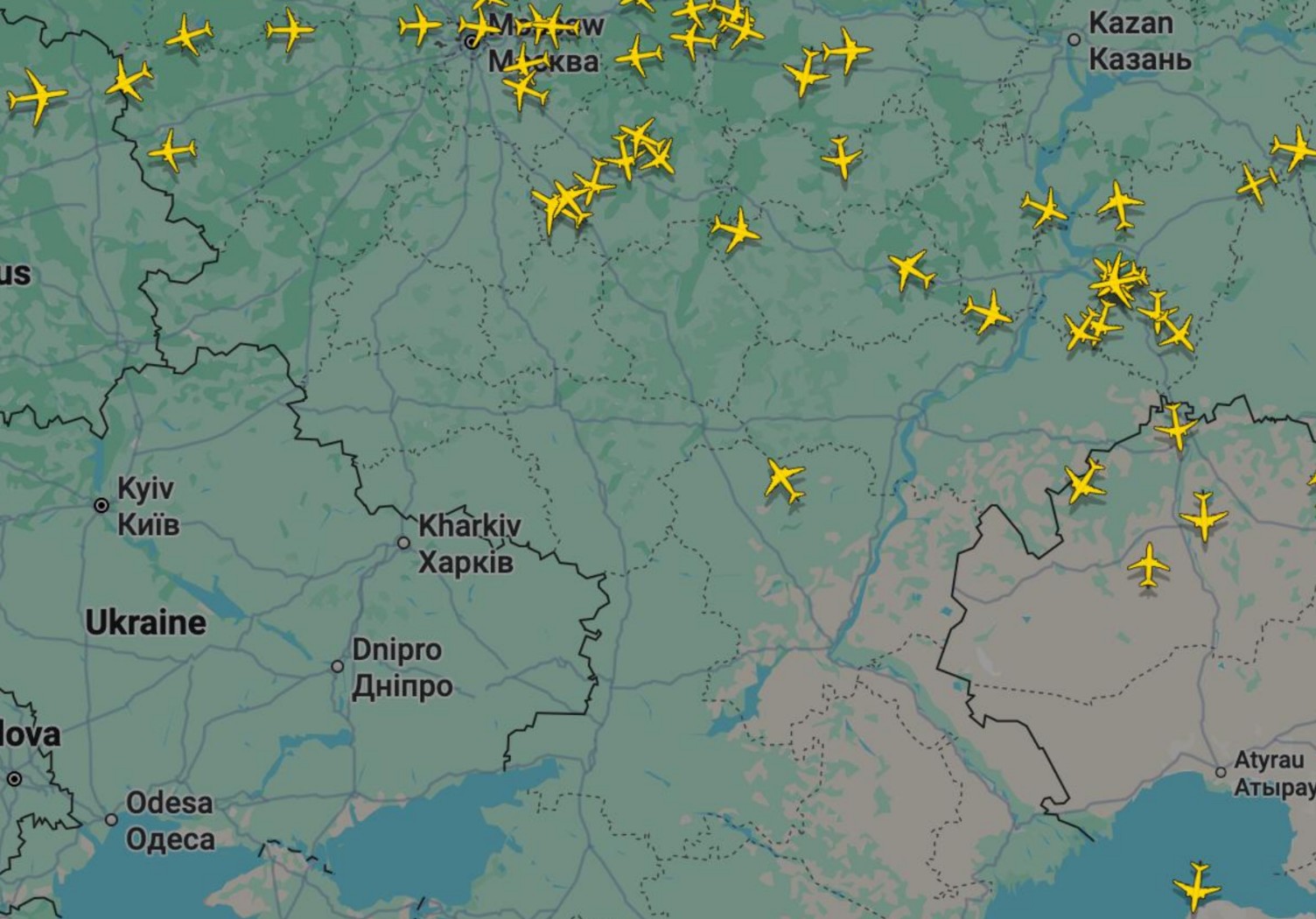
Russia has temporarily restricted the operation of 13 airports in the south of the country due to damage to infrastructure in Rostov-on-Don. As a result, more than 80 flights have been delayed or cancelled, and at least 14,000 passengers are waiting in queues for departure.
Flight restrictions in southern Russia
According to Russian sources, in southern Russia, there are currently 13 airports were closed or partially restricted. The cause was damage to the infrastructure in Rostov-on-Don, but no official details on the nature of the incident have been released. More than 80 flights were delayed or cancelled, and at least 14,000 passengers are waiting in queues for departure.
The restrictions apply not only to domestic flights but also to transit routes. In particular, flights to Turkey, Armenia and Egypt have been hampered, as the routes to these countries pass through the southern region of Russia. Passengers are facing significant delays and uncertainty about their future plans.
Duration of restrictions and impact on the aviation market
According to official reports, restrictions in the airspace of southern Russia will remain in place until at least 12 May. This puts additional pressure on airlines, which are forced to change schedules and look for alternative routes. Airports are trying to organise passenger accommodation, but the large number of people causes queues and additional difficulties.
The temporary shutdown of airports could affect logistics not only within Russia but also internationally. Transit flights to the Middle East and the Caucasus will need to be re-routed, which could lead to further delays.
Causes of the incident in Rostov-on-Don
The official cause of the damage to the infrastructure in Rostov-on-Don is not yet known. All that is known is that the damage to the equipment has led to restrictions on flights in the region. The authorities have not yet disclosed any details, which raises additional questions about flight safety and the state of aviation infrastructure in the south of the country.
The lack of official information may affect passenger confidence in airlines and airports. Observers expect further clarification on the nature of the incident and the possible consequences for the industry in the coming days.
Why it matters
The restrictions on airport operations in southern Russia have a significant impact on thousands of passengers who are forced to wait at airports or change their plans. It also creates additional challenges for airlines, which must respond quickly to changing circumstances and ensure flight safety.
The situation may affect international flights, especially transit routes through Russia, which will affect passenger traffic to Turkey, Armenia, Egypt and other countries. For the Russian aviation industry, such restrictions mean additional financial and organisational losses.
While the restrictions are in place, passengers and airlines are forced to adapt to the new realities. Further developments will depend on official explanations of the causes of the incident and the speed of infrastructure recovery.