The Antarctic cruise ship MV Hondius has been hit by an outbreak of the dangerous Andes strain of hantavirus, which can be transmitted from person to person. Eight infections and three deaths have been reported. The WHO is trying to find 23 passengers who left the ship before the quarantine was introduced.
WHO looking for passengers after hantavirus outbreak
After the outbreak hantavirus on an Antarctic cruise ship MV Hondius liner The World Health Organisation is trying to track down 23 passengers who disembarked from the ship before the quarantine was announced. According to Spanish media, These people flew to different countries without being subjected to any restrictive measures. One of them has already been hospitalised in Switzerland with symptoms of the disease.
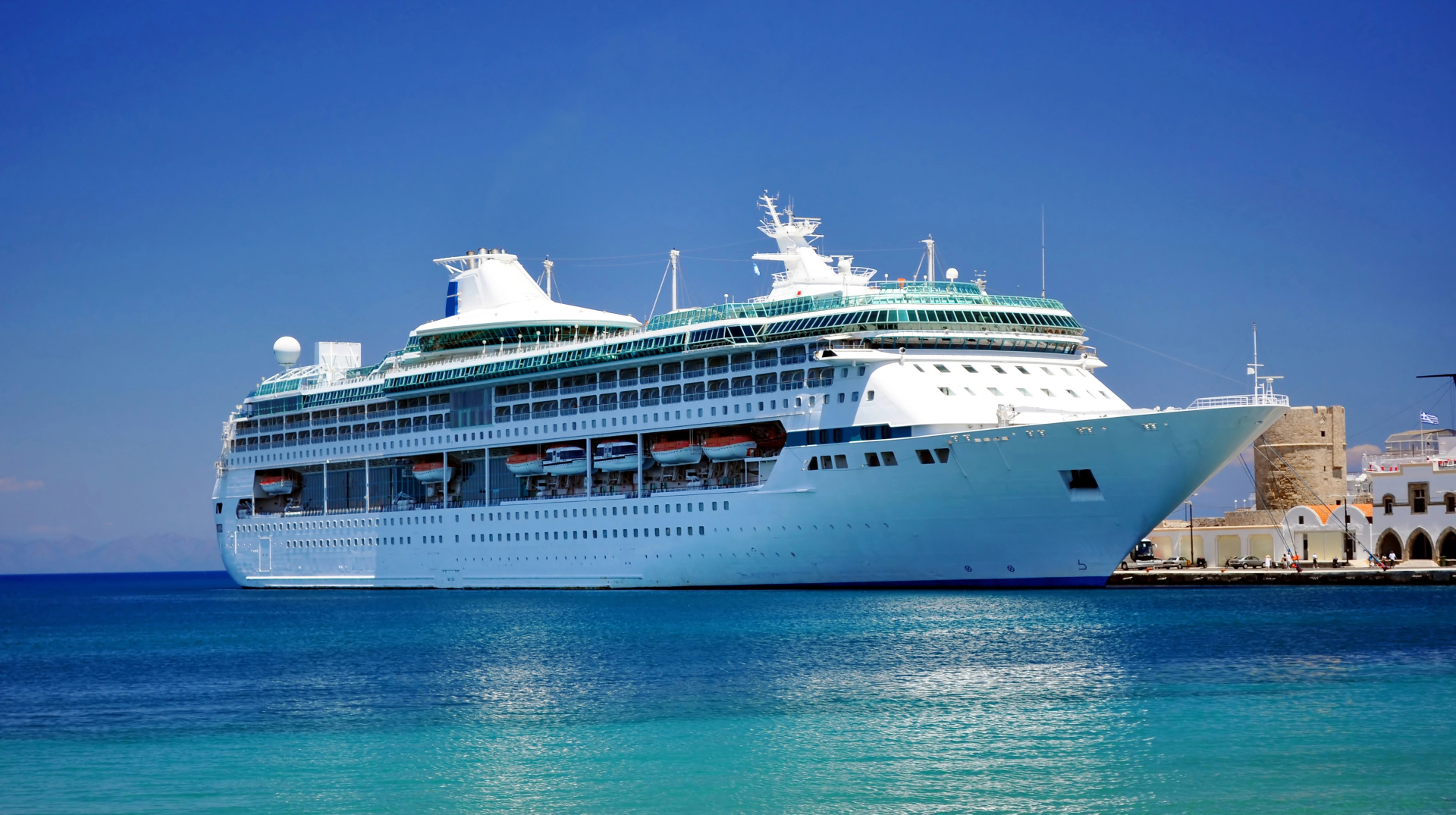
The cruise ship is due to arrive on the Spanish island of Tenerife on 10 May. Eight cases of hantavirus infection have been confirmed on board, and three people have died. Upon arrival, all foreign passengers will be immediately sent to the airport to return home, while 14 Spanish citizens will be transferred to Madrid, where they will be quarantined for 45 days.
Andes hantavirus: features and risks
It has been confirmed that the outbreak on board MV Hondius was caused by Andes strain - is the most dangerous variant of the hantavirus. This strain is known for its ability to spread from person to person through close contact, which makes it difficult to contain the infection. The mortality rate from this type of virus can reach 50%.
Transmission of the virus on board an enclosed vessel poses a particular threat to passengers and crew. In conditions of limited space and constant interaction, the risks of infection increase significantly. That is why the WHO and Spanish authorities are taking strict measures to isolate and monitor contact persons.
International response and security measures
The countries whose citizens were on board MV Hondius have already received warnings about the possibility of the spread of the hantavirus. Particular attention is being paid to passengers who left the ship before the quarantine restrictions were imposed. The Swiss health services have reported the hospitalisation of one such traveller with symptoms of the disease.
The Spanish authorities are organising special measures to evacuate and isolate passengers arriving in Tenerife. All persons who may have come into contact with the infected will be under medical supervision. These measures are aimed at preventing the spread of the virus on the continent.
Why it matters
The situation with the hantavirus on MV Hondius demonstrates the potential danger of new outbreaks in a globalised world. The possibility of human-to-human transmission of the Andes strain increases the risks to public safety, especially in the context of massive human movements.
The rapid response of WHO and national health services demonstrates the importance of international cooperation in combating such threats. Contact tracing and timely isolation are key to preventing an epidemic.
Further developments will depend on the effectiveness of quarantine measures and the ability to identify all potentially infected passengers.