Typhoon Bavi has caused serious disruption in southern Japan: at least 12 people have been injured, more than 220 flights have been cancelled, and hundreds of buildings on the Okinawa islands are without electricity. In China, more than 1.8 million people were evacuated as the storm approached.
Briefly about the main points
- Typhoon «Bavi» has left at least 12 people injured in southern Japan.
- Over 220 flights have been cancelled and ferry services have been suspended.
- Hundreds of buildings in Okinawa are without electricity.
- More than 1.8 million people have been evacuated in China due to a typhoon.
The force of nature strikes the islands of Okinawa
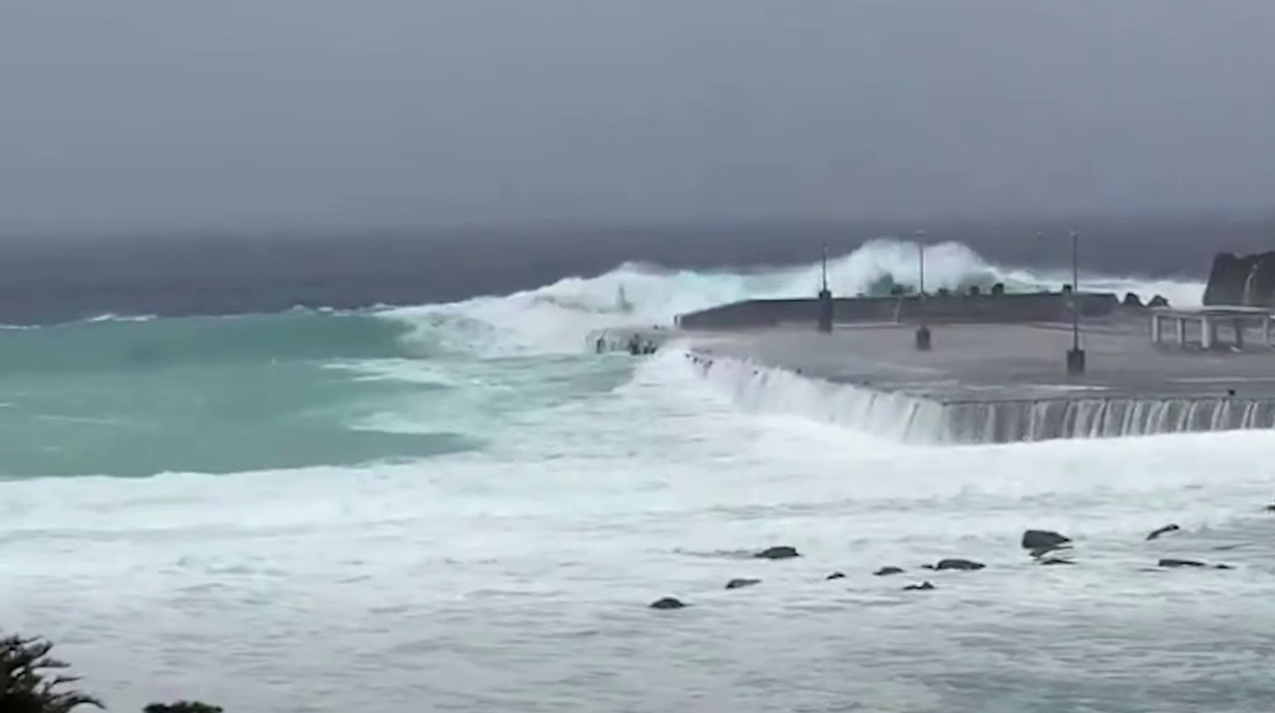
The islands of Okinawa Prefecture were hardest hit by the typhoon, particularly the Sakishima archipelago and Ishigaki Island. Here, meteorologists recorded extreme gusts of wind and heavy rainfall, which caused high waves to form.
The bad weather has damaged power lines, leaving hundreds of buildings without electricity. Local authorities have warned of the risk of landslides and flooding in low-lying areas.
Disruption to transport infrastructure
Weather conditions have severely disrupted the region’s transport system. In addition to widespread flight cancellations, other modes of transport have also faced difficulties.
- Ferry services between the islands have been suspended
- Rail services are operating on a limited basis
- Utility companies are unable to carry out repair work
Why it matters
Typhoon «Bavi»had a significant impact on the daily lives of people in Japan and China, causing disruption to infrastructure, injuries and mass evacuations.".