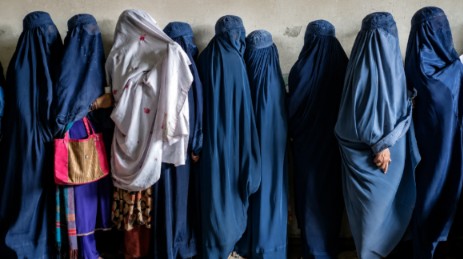
In Afghanistan, the Taliban promulgated a law that allows marriages with girls as soon as they reach puberty - from the age of 12. The document regulates family relations and divorce, and also enshrines the right of grandparents to marry a child. Human rights activists are shocked by these norms.
Taliban allow child marriage
Afghanistan has promulgated a law that legalises marriages with underage girls. According to Amu TV, The Taliban allowed girls as young as 12 years old to marry immediately after reaching puberty. The document regulates not only the marriage procedure but also the divorce procedure, which creates a new legal framework for family relations in the country.
The law grants fathers and grandfathers the absolute right to arrange marriages for their daughters and granddaughters. Other relatives can also marry if the future spouses are deemed «socially compatible» and the bride price is «fair». This means that the decision to marry will often be made without the child's actual consent.
New restrictions for girls and women
It becomes almost impossible to dissolve such a marriage after reaching the age of majority. This requires the official permission of the Taliban, which makes it much more difficult to protect girls' rights. Under the new law, Article 7 explicitly states that if an underage girl remains silent during the marriage, it is considered her consent.
In addition, the document gives judges the right to punish men and women for violating family religious regulations. Such violations are punishable by imprisonment and corporal punishment with whips, which further strengthens control over the private life of citizens.
Reaction of human rights activists and the international community
The publication of this law caused shock and outrage among human rights activists. They emphasise that the legalisation of child marriage is a gross violation of fundamental human rights and international child protection standards. Such norms could lead to a massive increase in forced marriages and social inequality in Afghanistan.
International organisations are already calling on the Taliban to revise the law and end the practice of underage marriage. However, the government's response so far has been harsh, with the Taliban insisting on enforcing the new rules, citing religious traditions.
Why it matters
The legalisation of child marriage in Afghanistan paves the way for large-scale violations of the rights of girls and women. The new law effectively deprives children of the ability to make decisions about their own lives and future.
Such changes could lead to an increase in the number of forced marriages, domestic violence and social exclusion of girls. The international community considers this practice unacceptable and calls for an immediate response to protect the rights of children in Afghanistan.