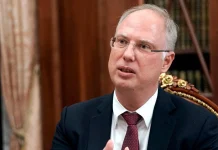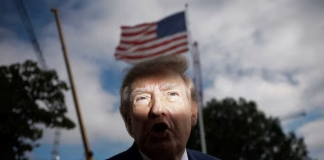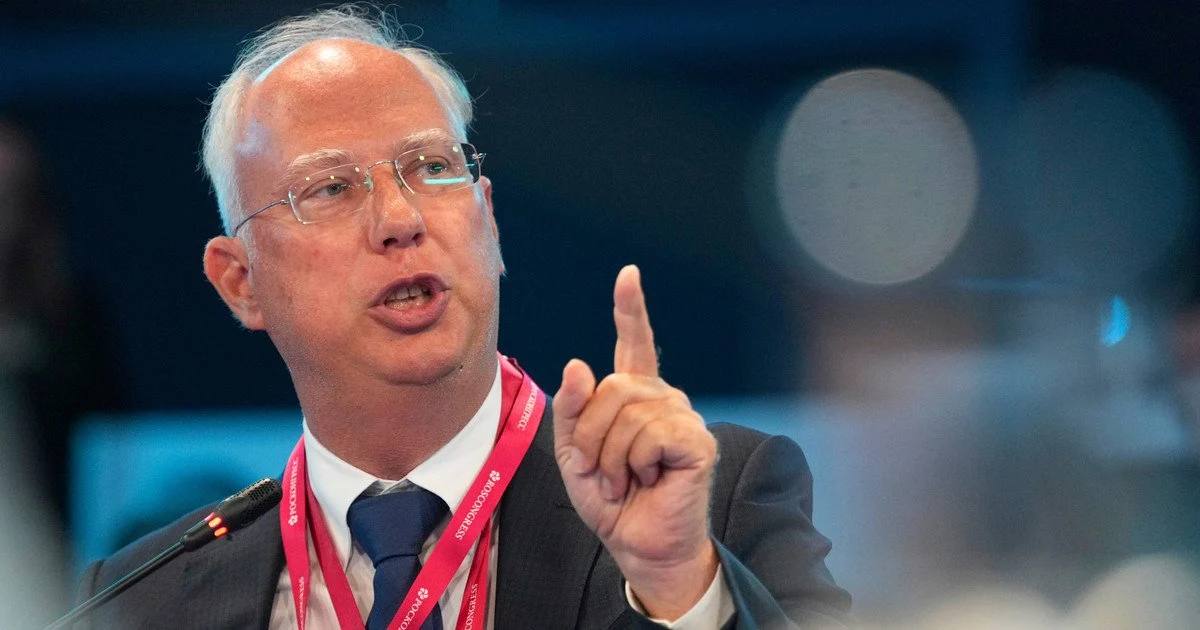
Kirill Dmitriev, the Russian President’s Special Representative, welcomed Donald Trump’s decision not to impose some of the new sanctions against Russia provided for in the Lindsey Graham Act. In Kyiv and amongst some US lawmakers, this was seen as a relaxation of economic pressure on Moscow amidst its war against Ukraine.
Briefly about the main points
- Trump has authorised the non-application of some of the restrictions under the Lindsey Graham Act.
- Dmitriev called on the US and Russia to move from sanctions to economic dialogue.
- The law provided for a 500% duty on goods of Russian origin.
- Zelenskyy attributed the decision to the risk of continued Russian aggression.
- The Act itself and the sanctions introduced previously remain in force.
Trump’s executive order set out the scope of the exemptions under the new law
On 16 October, the US President signed an executive order allowing a number of restrictions provided for by law not to be imposed Lindsay Graham. Trump He invoked Article 115 of the document: it grants the President the right to waive the application of measures if this is in the national interest of the United States. He submitted the rationale for this decision to Congress.
The exemptions will remain in force until the US President or officials authorised by him decide otherwise. The law has not been repealed, and the sanctions against Russia imposed by previous presidential decrees remain in force.
The Graham Act provided for tariffs on Russia and its trading partners
Congress passed a law, and Trump signed it on 18 September. The document was intended to increase economic pressure on Russia, as well as on countries that purchase its oil and natural gas or help to circumvent oil sanctions.
The measures included an additional 500 per cent duty on goods of Russian origin, as well as 100 per cent duties on goods from the five largest importers of Russian oil and gas and the five largest countries helping to circumvent oil restrictions. The law also allowed for additional sanctions against specific individuals, companies and financial transactions.
Dmitriev proposed replacing sanctions with joint projects
17 October Dmitriev, who heads the Russian Direct Investment Fund and is responsible for economic relations with other countries, described Washington’s decision as a «historic moment». According to him, once amended, the law could have almost completely blocked economic cooperation between Moscow and Washington, causing damage to the US economy and global markets.
A Russian official has called for an end to the sanctions standoff in favour of dialogue, mutually beneficial cooperation and shared responsibility for global stability. He believes that economic ties can strengthen trust and lay the foundations for lasting peace.
The day before, Dmitriev had told Reuters about talks regarding potential joint projects in the energy sector and the data centre sector. The parties have not yet announced any specific agreements.
Ukraine and some members of Congress have criticised the easing of pressure
President Volodymyr Zelenskyy stated on 17 October that the failure to impose new sanctions eases economic pressure against Moscow and encourages Vladimir Putin to continue his aggression. He pointed out that this decision came in the wake of large-scale Russian attacks on Ukraine’s energy infrastructure: on 16 October, according to Zelenskyy, more than 15 power generation and transmission facilities were attacked.
Democratic Member of Congress Don Beyer stated that Trump was effectively making concessions to Moscow, contrary to the legislators’ intention to hold Russia more accountable for the war. Some senators, particularly Republicans, had previously expressed concern about the administration’s agreements on the supply of Russian diesel fuel, which, in their view, could provide Russia with additional revenue to fund the war.