US President Donald Trump has called on Volodymyr Zelenskyy to halt strikes on Russian diesel fuel production facilities. He stated that such attacks are causing shortages. Meanwhile, on the night of 13 September, Ukraine reported that the «Slavyansk-ECO» oil refinery in the Krasnodar Krai had been hit, with the Russian authorities confirming that a fire had broken out there.
Briefly about the main points
- Trump asked Zelenskyy not to attack Russia’s diesel infrastructure.
- The US President did not explicitly suggest that other targets in the Russian Federation should be spared from the strikes.
- Ukraine has claimed that the «Slavyansk-ECO» oil refinery was struck by drones.
- Moscow had previously acknowledged fuel shortages and was preparing stabilisation measures.
- The global diesel market is also suffering as a result of the crisis in the Persian Gulf.
Trump outlined an exception for Ukrainian strikes
Statement Trump He made the remarks on 13 September whilst speaking to journalists at the Irish Open tournament at his Doonbeg Golf Club in Ireland. He was asked whether he had been in contact with Zelenskyy since the last conversations з Vladimir Putin.
In his response, the US President said that Zelenskyy should stop «seizing diesel fuel in Russia». Trump added that Ukraine could attack other targets, but asked that it refrain from striking diesel infrastructure specifically, due to the risk of fuel shortages.
Ukraine has announced a strike on «Slavyansk-ECO»
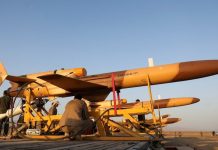
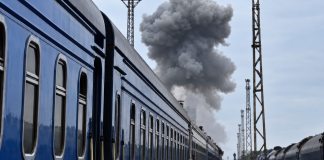
On the night of 13 September, the Main Intelligence Directorate and the Ukrainian Defence Forces reported that damage to the oil refinery «Slavyansk-ECO» in Slavyansk-na-Kubani, Krasnodar Krai. According to Ukrainian intelligence, drones struck a key oil refinery unit and a tank farm, after which a major fire broke out at the plant.
The Russian authorities have confirmed the fire, damage to the oil pipeline and three casualties. However, they have not confirmed Ukraine’s assessment regarding the specific targets hit. Kyiv explains its campaign against the oil refining industry by citing its role in financing the war and supplying fuel to the Russian army.
Russia has already acknowledged fuel shortages
At the end of June, Putin acknowledged fuel shortages in a number of Russian regions and the impact of Ukrainian attacks on oil infrastructure. Moscow set up a working group to stabilise supplies and was considering a complete ban on diesel exports.
Due to attacks, repairs and the shutdown of certain facilities in some Russian regions, queues formed at petrol stations, and the authorities drew on their reserves. According to estimates by Ukrmedia’s industry sources, the Moscow Refinery may not resume full operations by the end of the year following a series of attacks; the plant supplies petrol and diesel to the Moscow region.
The global market is being affected by several simultaneous crises
In the excerpt from the Associated Press cited above, Trump did not say that the diesel situation was unrelated to the Middle East. Reuters cited Ukrainian strikes on Russian oil refineries as just one of the factors behind the record shortage on the global market.
Among other reasons, the agency cited a decline in Russian exports of petroleum products, a war between the US and Israel and Iran, problems with shipping through the Strait of Hormuz, attacks on infrastructure in the Middle East and limited global refining capacity. The average price of diesel in the US exceeded $6 per gallon.
A processing shortfall is limiting the supply of diesel
Crude oil only becomes diesel fuel after being processed at an oil refinery; therefore, the shutdown of such facilities can lead to a shortage of the product even when there are sufficient oil reserves. Diesel is used by freight transport, in agriculture, by military vehicles, in industry and for emergency power generation.
For the global market, the shortage of refining capacity has become a more pressing problem than the shortage of crude oil. Some Russian and Middle Eastern refineries have simultaneously dropped out of the supply chains.