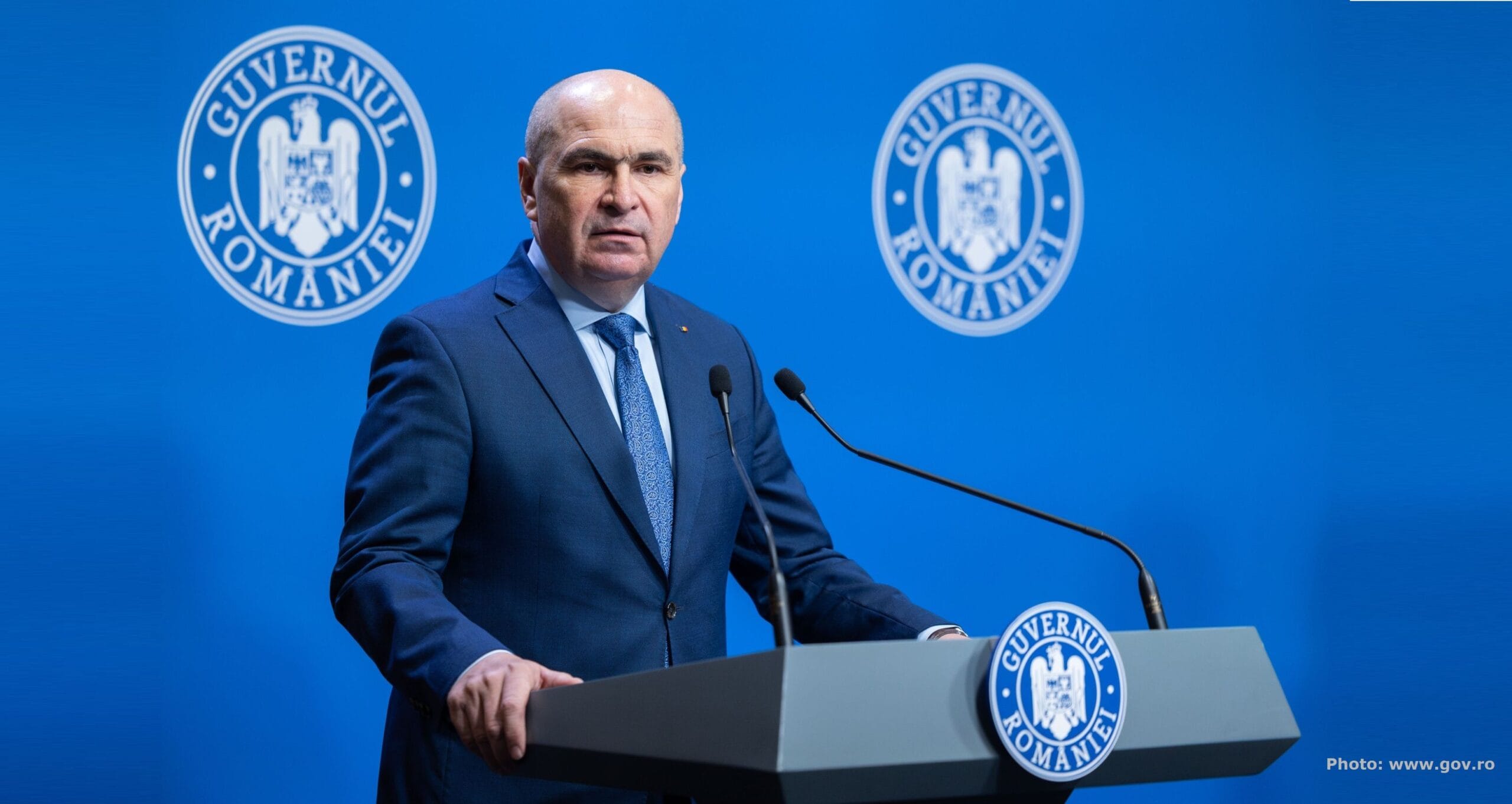
On 5 May, the Romanian parliament upheld a vote of no confidence in the government of Iliese Bologna. Prior to that, seven members of the Social Democratic Party left the Cabinet, which led to political turbulence. The initiators accused the prime minister of ruining the economy, rising inflation and controversial economic reforms.
Resignation of the government of Ilie Bolozhan
The Romanian parliament voted for a vote of no confidence in the government led by Ilya Bolozhana. The reason for this was the political crisis that unfolded after seven members of the Social Democratic Party resigned from the Cabinet. According to European sources, This decision was a response to the growing dissatisfaction with the prime minister's policy on the part of the opposition and part of the coalition.
The initiators of the vote of no confidence accused the government of “destroying the economy, impoverishing the population and fraudulently selling state assets”. Other complaints included criticism of the increase in the value added tax (VAT), the abolition of benefits for certain categories of workers and high inflation.
Causes of the political crisis
The resignation of the pro-European government is linked to deep divisions within the ruling coalition. The resignation of seven ministers from the Social Democratic Party effectively deprived the Cabinet of a majority, making it vulnerable to opposition initiatives. This development reflects the growing political tension and dissatisfaction of some elites with the government's economic reforms.
The accusations against Ilie Bolozhan concerned not only economic policy, but also approaches to the management of state assets. The opposition claimed non-transparency in the sale of state-owned enterprises and a lack of dialogue with trade unions on the cancellation of privileges.
Economic consequences of resignation
The resignation of the government could have significant economic consequences for Romania. Rising inflation and VAT increases have already caused discontent among households and businesses. Political instability could affect the investment climate and slow economic growth.
In addition, uncertainty about the future course of reforms poses risks to Romania's cooperation with international partners. The resignation of the pro-European government could affect negotiations with the EU and foreign creditors, as well as the implementation of already planned support programmes.
Why it matters
The change of government in Romania amid the economic and political crisis is a landmark event for the region. The resignation of the pro-European Cabinet could change the balance of power in the country and affect relations with the European Union.
For neighbouring countries and investors, the situation in Romania is a signal of potential risks in Eastern Europe. Political turbulence could affect the economic stability not only of Romania itself, but also of the entire region.
Further developments will depend on how quickly the country is able to form a new government and restore trust among citizens and international partners.