The DPRK could have received up to $13.8 billion from participation in Russia's war against Ukraine. The main revenues of the Kim Jong-un regime came from the supply of rocket artillery, KN-23 missiles and sending military personnel to Russia.
DPRK in Russia's war against Ukraine: economic effect
North Korea has significantly strengthened its economy thanks to Russia's war against Ukraine. By. information Nikkei Asia, mode Kim Jong-un could earn from $7 to $13.8 billion on the supply of rocket artillery and about 250 KN-23 missiles. This is commensurate with almost a year's GDP, which underscores the scale of the economic impact for an isolated state.
In addition to missiles and artillery, the sending of military personnel to the Russian Federation provided a significant replenishment of the budget. Experts estimate that the DPRK received more than $600 million for the participation of its soldiers in hostilities, which has become a new source of income for Pyongyang.
DPRK's military presence at the front
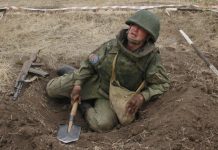
Nikkei Asia researchers note that there may be about 10,000 DPRK special forces soldiers at the front in Ukraine. In addition, there are engineers and drone operators among the North Korean forces involved in supporting the Russian army. This indicates a large-scale and organised Pyongyang's participation in the armed conflict.
There are also reports of a possible expansion of the DPRK's participation in the war. Pyongyang may be preparing an additional deployment of up to 30,000 troops, which will significantly increase North Korea's influence on the course of hostilities and potentially increase its profits from the war.
Geopolitical and economic implications
The DPRK's involvement in Russia's war against Ukraine has significant geopolitical implications. On the one hand, North Korea benefits financially, allowing the regime to strengthen its power and develop its military industry. On the other hand, it increases risks to global security and complicates the situation in the international arena.
Arms supplies and military deployments pose additional challenges for Ukraine and its allies. The international community may increase sanctions against the DPRK in response to its cooperation with Russia, but the effectiveness of such measures remains questionable due to the isolation and secrecy of the North Korean regime.
Why it matters
The financial strengthening of the DPRK due to Russia's war against Ukraine may have long-term consequences for security in the East Asian region and the world as a whole. Pyongyang can use the funds received to Development of missile and nuclear programmes, This creates additional threats to its neighbours and the international community.
The participation of a large number of North Korean military personnel in hostilities on the territory of Ukraine calls into question the effectiveness of international mechanisms for monitoring compliance with sanctions. It also signals deeper military and political cooperation between the DPRK and Russia, which could affect the balance of power in the world.
Given the scale of its revenues, North Korea is becoming an important player in Russia's war against Ukraine, which requires new approaches to curbing its influence on global security.