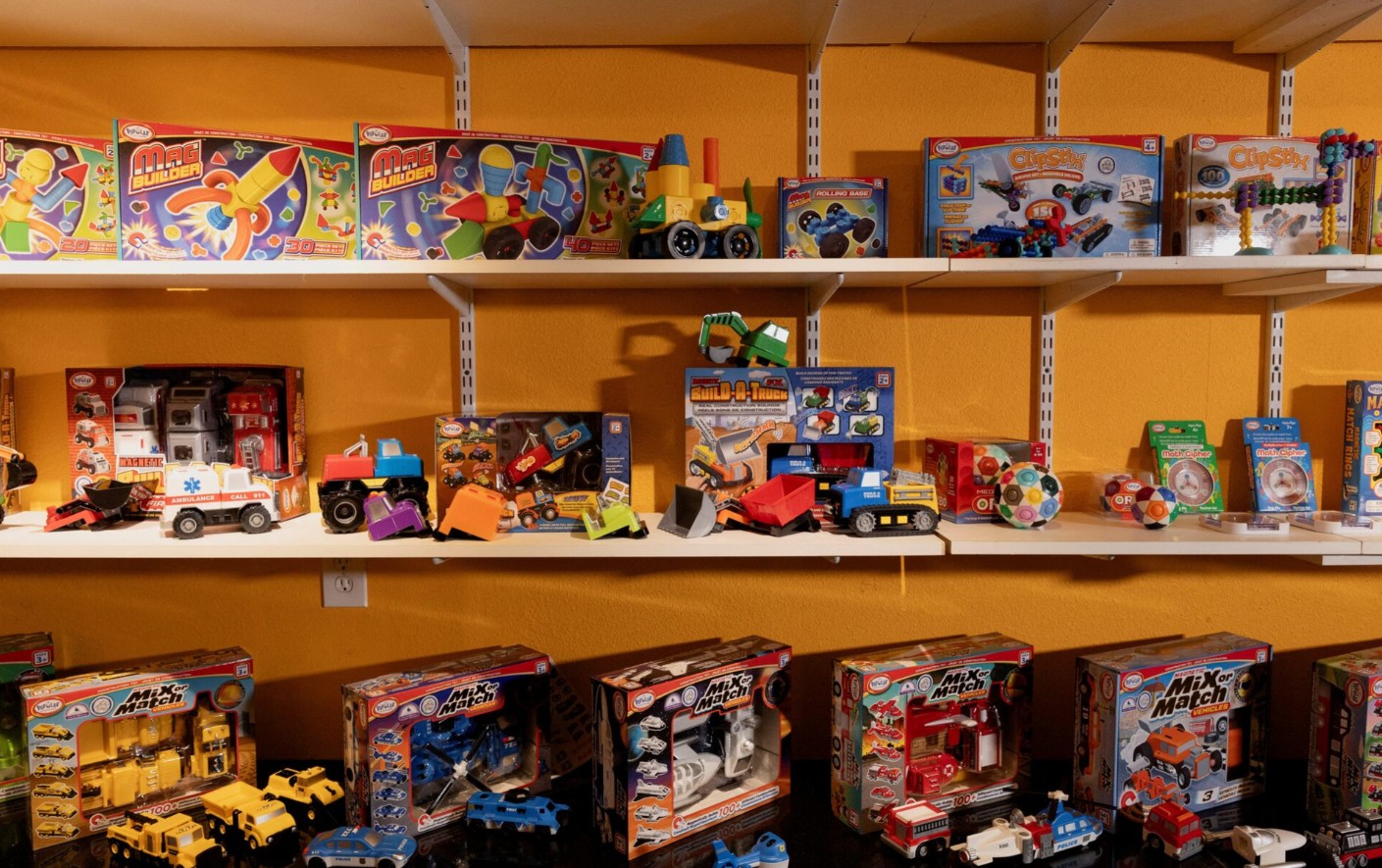
Chinese toy manufacturers are under threat from new US tariffs. Companies are facing declining demand and financial pressure, forcing them to look for ways to survive.
Chinese toy factories under pressure from new US duties
The increase in tariffs by the United States has become a serious problem for Chinese toy manufacturers. Pros. information Reuters, A number of factories in China were on the verge of closure due to a sharp drop in orders from the US market.
Sharp decline in orders and business implications
After implementation new duties in the US, Chinese toy manufacturers have seen a significant decline in demand. Some companies have already been forced to reduce the number of employees, while others have been forced to cease operations entirely. According to industry representatives, even those companies that remain in the market are forced to revise their strategies: optimise production, cut costs and look for alternative markets.
Rising logistics and material costs are only exacerbating the situation. Manufacturers say the new duties make their products less competitive with other Asian countries. This puts additional pressure on the industry, which has traditionally been focused on exports to the US.
Industry reaction and outlook
Some Chinese factories are trying to refocus on the domestic market or expand exports to Europe and other regions. However, this process requires time and investment, which many companies simply do not have due to financial difficulties. Industry experts predict that if tariffs are maintained or further increased, the wave of bankruptcies could intensify.
Many manufacturers that have not yet closed are trying to automate production processes and introduce new technologies to reduce costs. However, even these measures do not guarantee job security and stable income.
Why it matters
The situation with Chinese toy factories demonstrates how US trade policy affects global supply chains. Changes in tariffs can not only destroy individual businesses, but also affect prices and choices for consumers in different countries.