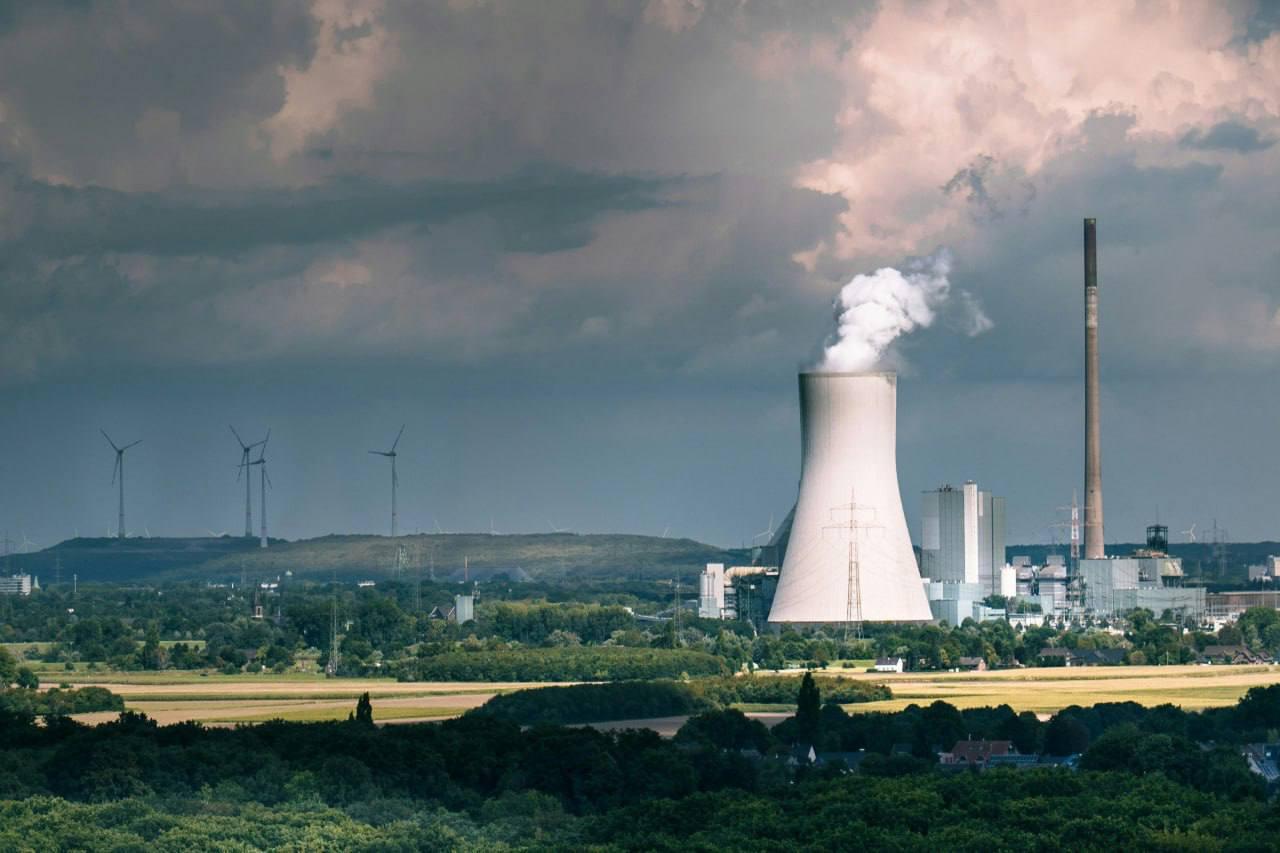
On 13 August, the Cernavodă Nuclear Power Station in Romania completely ceased supplying electricity to the national grid following the controlled shutdown of its second reactor. Nuclearelectrica explained the decision by citing a prolonged and significant drop in the water level of the Danube, which is needed for cooling. The first unit was shut down at the end of July, and the country is temporarily relying on electricity imports.
Briefly about the main points
- The second reactor at the Chernavodya Nuclear Power Station was taken off the grid on 13 August.
- This was caused by a prolonged drop in the water level of the Danube.
- Both units of the nuclear power station are safely shut down.
- Romania is making up for the shortfall through imports and affordable power generation.
- A restart is not expected for at least ten days.
The second unit was shut down in accordance with safety procedures
Operations to reduce the output of the second power unit began at 7.00. By around 11:00, the plant was no longer supplying electricity to Romania’s National Power Grid. This was the last operational reactor at the nuclear power station: the first power unit had been shut down at the end of July.
Nuclearelectrica stated that the decision was taken following an assessment of safety reserves, the condition of the equipment and the forecast for the Danube water level over the coming days. The company emphasised that keeping the two units in a safe shutdown state does not affect nuclear safety parameters, staff, the environment or the public.
The shortfall is made up by imports and affordable domestic generation
The two power units at the Cernavodă Nuclear Power Station accounted for approximately one-fifth of Romania’s total electricity generation. In recent days, when only the second reactor was operational, the plant was feeding around 680 MW into the grid. Within minutes of its shutdown, the country began importing electricity during the midday hours.
An energy emergency has been declared in Romania for August. To make up for the shortfall, the authorities are increasing imports and utilising available thermal, hydro and wind power capacity. Christian Busoi, State Secretary at the Ministry of Energy, stated that domestic consumers and essential public services should not be directly affected. According to him, as a last resort, restrictions could apply to large industrial consumers.
The restart will depend on the water levels in the Danube
No specific date has been given for the resumption of operations at the Chernavoda Nuclear Power Station. According to current forecasts, the water level of the Danube will continue to fall, so the plant is not expected to be restarted for at least the next ten days. Once conditions allow the reactors to be brought back online, it will take a further one or two days to resume electricity supply to the grid.
In order to keep the second unit running, the authorities tried to divert a larger volume of water to the station. To this end, A rock has been removed from the Danube and flooded four barges. These measures did not halt the subsequent fall in the water level.
Decisions on the commissioning of the units will be taken by specialists at the Chernavodya Nuclear Power Station in line with future forecasts and with nuclear safety requirements taking priority.