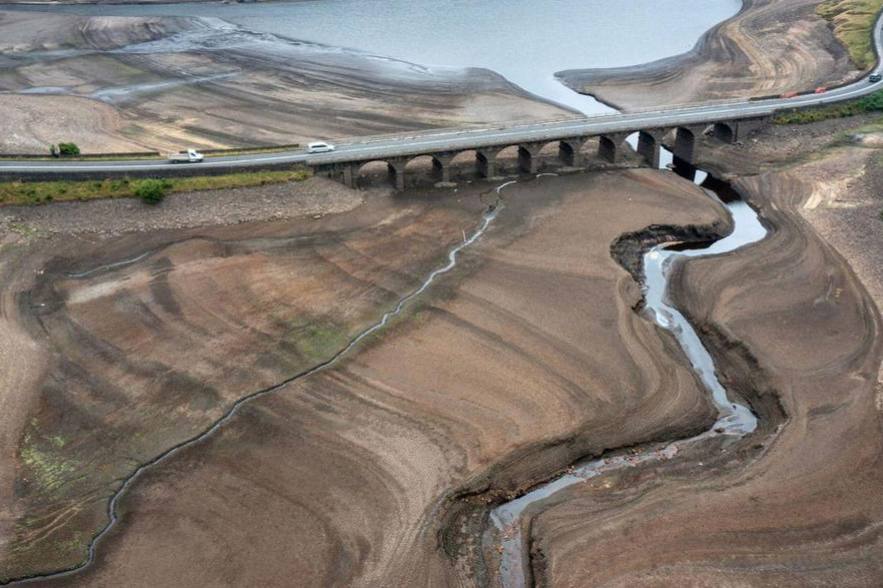
The drought has affected around 38% of land in the EU, including 14.8% of arable land and 14.5% of forest. Due to parched pastures and crop losses, livestock farms in western and central Europe are using up their feed stocks, set aside for autumn and winter, ahead of schedule. Alternative feeds are becoming scarcer and more expensive, reports Euractiv.
Briefly about the main points
- The drought has affected around 38% of land in the European Union.
- Dried-up pastures have restricted livestock grazing in several regions.
- The Confédération Paysanne estimates that fodder stocks in France have fallen by between 30 and 60%, depending on the region.
- Milk production in France fell by 3–4%.
- Ireland is assessing farms’ winter feed requirements.
The yield of fodder crops is falling
Drought It is having a significant impact on the production of olive oil, wine, maize and sunflowers. The fodder crop sector has become particularly vulnerable: a shortage of grass has reduced grazing opportunities, whilst poor harvests have limited the supply of fodder that could serve as a substitute for pasture.
France, one of the bloc’s largest maize producers, is heading for its lowest maize harvest since 1980. For farms, this means fewer options for replenishing their feed stocks in the coming months.
French farms are cutting back on production and reducing their livestock numbers
The French trade union Confédération Paysanne estimates that fodder stocks have been reduced by between 30 and 60%, depending on the region. Access to grazing land is further hampered by restrictions in areas where fires have already occurred or where there is still a risk of them breaking out.
According to the president of the Federation of Dairy Farmers (FNPL) Joanna Barbe, parched pastures have contributed to a fall in summer milk production of 3–4%. Beef producers, anticipating a feed shortage, are reducing their herds and sending more animals for slaughter. This additional supply is exacerbating the decline in meat prices that began even before the summer.
The early heatwave in Spain has increased costs for farms
In Spain, farmers were hit by a heatwave as early as May, when temperatures reached 32–35°C. Although winter rainfall had been relatively good, the early rise in temperatures quickly dried out the pastures and reduced the availability of water.
Poor grain and straw harvests in Spain and other countries have driven up the cost of animal feed. Prices are also under pressure from export restrictions linked to animal diseases, said Juan Luis Delgado, a spokesperson for the farmers’ union ASAJA.
Bavaria and Ireland are amending the rules for farmers
The Bavarian authorities have allowed organic farms to purchase conventional feed due to circumstances they have described as catastrophic. This exemption is provided for under EU legislation.
The Irish Government has asked farmers to work out their feed requirements ahead of winter. The Minister for Agriculture Martin Haydon He stated that decisions on the next steps would be taken following the results of a survey, which are expected later this month. The Farm Europe think tank has called for emergency measures to be combined with investment in the sustainability of the agricultural sector.