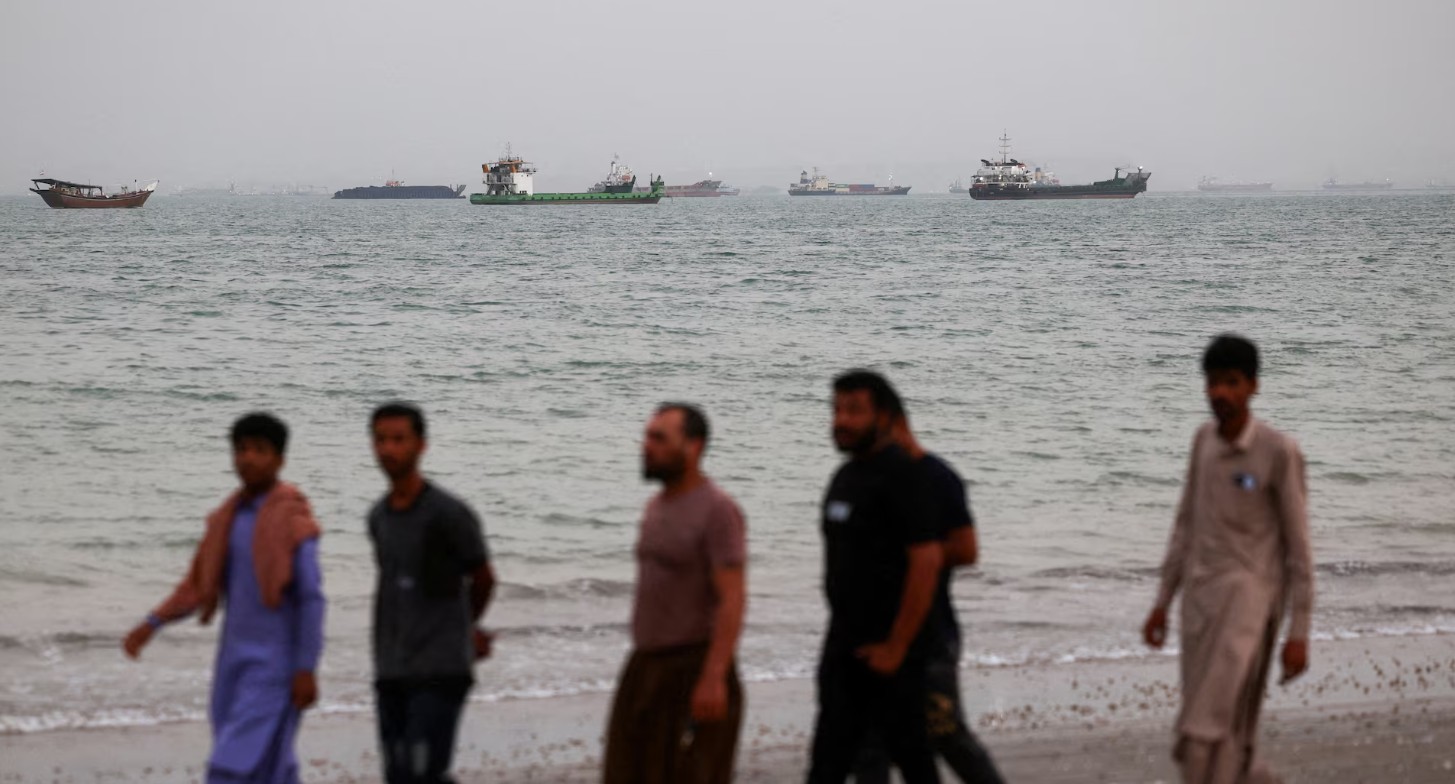
Two liquefied natural gas tankers have left the Strait of Hormuz, bound for Pakistan and China. A supertanker carrying Iraqi oil left the Strait after almost three months of downtime. Transport through the strategic strait has been significantly reduced due to the hostilities.
Basic context
Two liquefied natural gas tankers (LNG) have left the Strait of Hormuz and are heading for Pakistan and China. The tanker Fuwairit, The Bahamian-flagged carrier, which loaded gas at the port of Ras Laffan in Qatar in late March, is awaiting unloading in Pakistan.
Another LNG tanker, Al Rayyan, which also loaded gas at Ras Laffan, left the Strait on 22 May and is heading for China, where it is expected to unload on 27 June. Both ships are part of a limited number of vessels using the transit route designated by Iran.
The impact of the war on shipping
Military conflict between the US, Israel and Iran, which began on 28 February, has significantly restricted shipping through the Strait of Hormuz. About one-fifth of the world's oil and LNG usually passes through it.
This month, several supertankers left the Gulf in compliance with Iranian route requirements. For example, three Very Large Crude Carriers (VLCCs) delivered 6 million barrels of oil to China and South Korea.
Release of the supertanker Eagle Verona
Supertanker Eagle Verona, carrying about 2 million barrels of oil from Basra, has left the Strait of Hormuz Saturday. The Singapore-flagged vessel, leased by Sinopec's trading arm Unipec, is heading to the port of Ningbo in eastern China, where it is expected to unload on 12 June.
This tanker was detained in the Gulf for almost three months. By. information, Malaysia has asked Iran to allow seven ships to pass through the Strait; five have already left, and two remain in the Gulf.
Global implications for the energy market
Shipping restrictions through the Strait of Hormuz threatens the stability of the supply of Middle Eastern oil and gas to world markets. The loss of even a part of the flow could lead to higher prices and disruptions in energy supplies.
At the same time, the resumption of tanker traffic, including to China and Pakistan, indicates a certain adaptation of the market and possible agreements on shipping safety. These processes are critical to global energy security and the economic stability of importing countries.