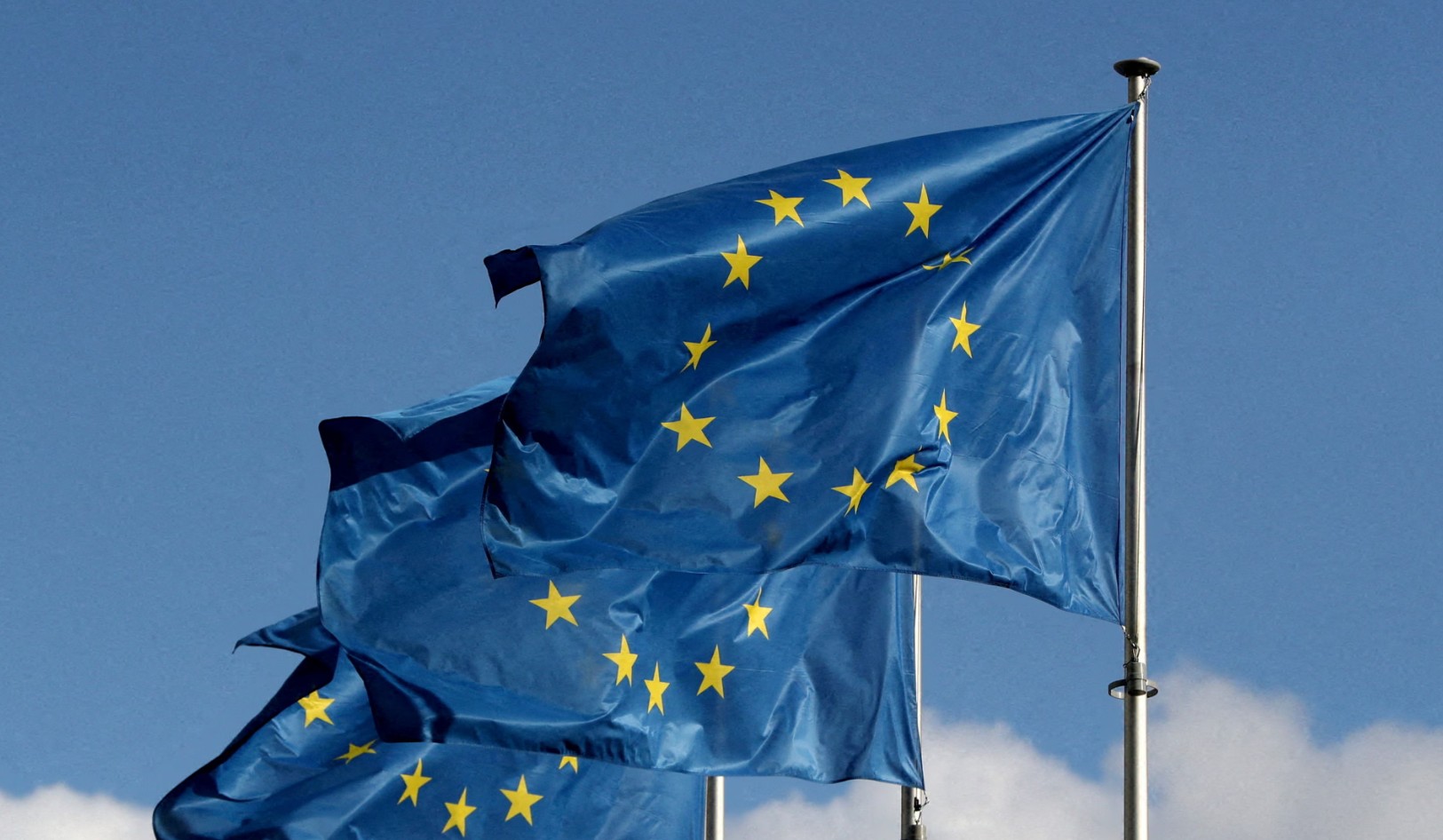
The European Union is considering temporarily limiting the veto power for new members to facilitate the enlargement process. This measure would primarily apply to countries that will join in the coming years, including Montenegro. At the same time, Germany is offering Ukraine associate membership without voting rights, which has caused Kyiv to categorically reject it.
Briefly about the main points
- The EU is considering restricting the veto for new members for several years.
- The restriction will apply to important decisions, in particular in foreign policy.
- Montenegro may be the first country to apply this restriction.
- Germany proposes associate membership for Ukraine without voting rights.
Temporary restriction of veto power for new EU members
The European Commission is considering a plan under which new EU members would not have veto power over a number of key decisions immediately after accession. This applies to decisions taken unanimously, particularly in the areas of foreign policy and taxation. Montenegro, which is applying for membership by 2028, may be the first country to be subject to such a restriction. This will help to avoid important decisions being blocked by a single newcomer, given the experience with Hungary and its previous government.
The idea is temporary, so as not to create secondary EU members. This approach could become a precedent for other Western Balkan countries and Moldova, which are waiting to join. The reasons include the desire to avoid complications in the enlargement process and to ensure greater political stability in the bloc.
Positions on expansion and associate membership
German Chancellor Friedrich Merz proposed new mechanisms to speed up the integration of the Western Balkans. He also offered Ukraine the status of associate member with participation in EU meetings, but without voting rights. According to Merz, this would take into account the special situation of Ukraine, which is at war, and facilitate peace negotiations.
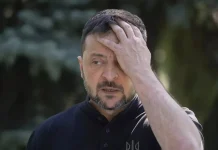
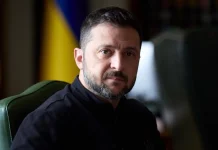
President of Ukraine Volodymyr Zelenskyy categorically rejected this offer, underlining that Ukraine aspires to full and equal membership in the EU. This position reflects the country's desire to gain full access to EU institutions and opportunities.
EU enlargement gained new momentum after Russia's full-scale invasion of Ukraine in 2022. The European Commission has set 2030 as a benchmark for the accession of new countries, including Montenegro and Albania. At the same time, scepticism about enlargement is growing in France, which also affects the political will of the bloc. The introduction of a temporary restriction on the veto could be a compromise that would help overcome these obstacles.