The younger generation of Ukrainians is increasingly involved in military training amid the protracted war with Russia. Near Kyiv, teenagers are undergoing regular training under the guidance of instructors in preparation for possible future defence of the country. At the same time, Ukraine is trying to maintain its democratic course, continuing to fight corruption and reform state institutions even in the face of a full-scale war.
Briefly about the main points
- Near Kyiv, teenagers undergo military training several times a week.
- The war with Russia is changing Ukrainian society and affecting the younger generation.
- Ukraine continues anti-corruption reforms even during the war.
- European integration remains a strategic priority of the state.
- Massive military training of young people demonstrates the long-term nature of threats to the country's security.
Young people undergo military training near Kyiv
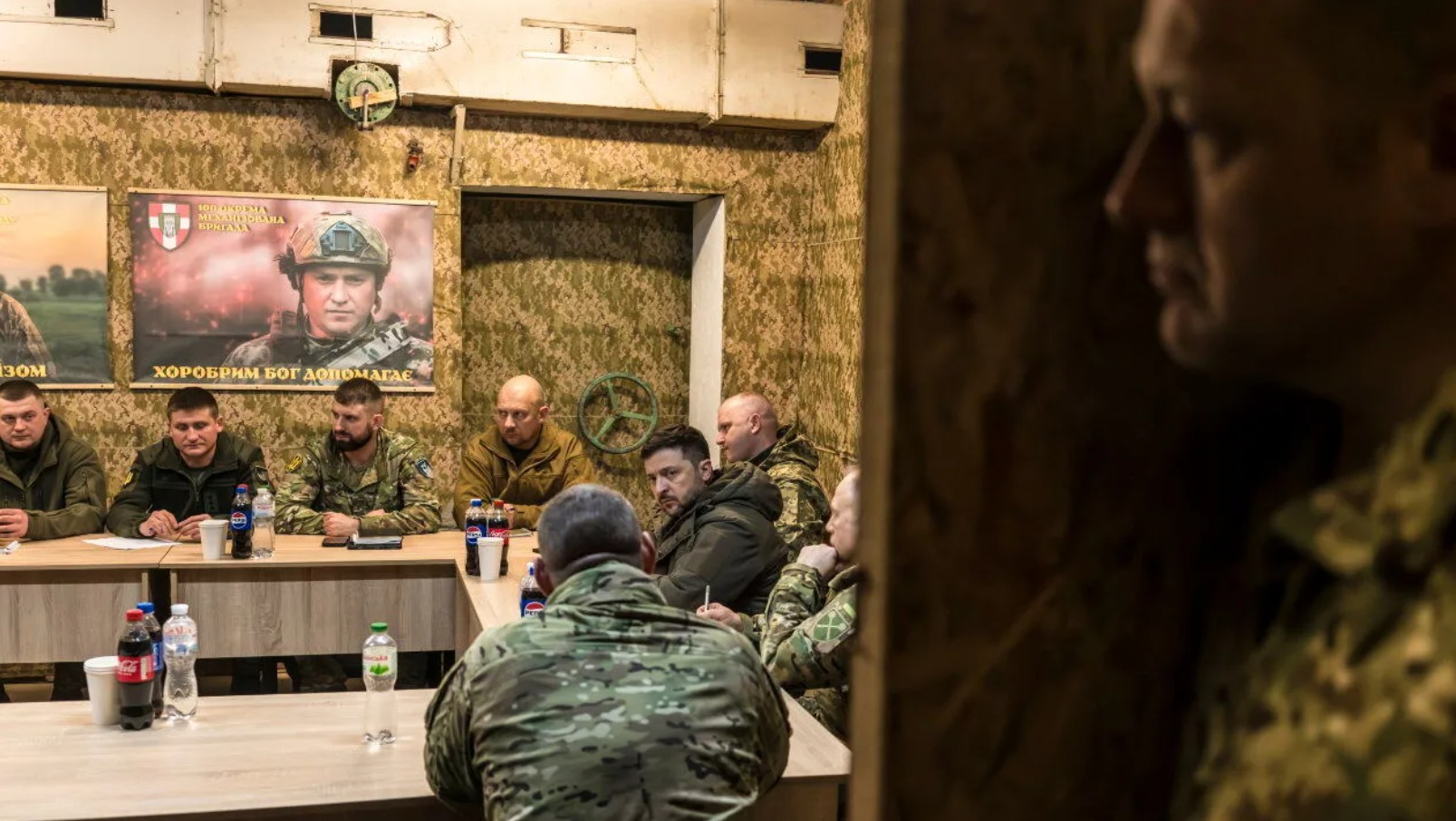
Near Kyiv, groups of teenagers aged 14 to 18 regularly engage in military exercises under the guidance of instructors, including veterans and active military personnel. After the lessons, the young people learn tactical medicine, how to handle weapons, how to move in combat and the basics of survival.
Many participants do not hide the fact that they see these classes as preparation for future service. Some of the teenagers have relatives or friends who are fighting at the frontline, and some have already lost loved ones to the war. This, they say, was the main motivation to join the training.
The organisers note that such initiatives are not official mobilisation The training of minors is not a form of patriotic and security education. At the same time, the scale of such classes demonstrates how deeply the war has affected Ukrainian society.
War shapes a new reality for Ukrainian society
Full-scale Russia's war against Ukraine has been going on for more than four years and remains a major factor in the country's internal changes. Constant rocket attacks, mobilisation and significant losses at the frontline are shaping a new model of social behaviour, where security has become part of everyday life.
The Ukrainian government and civil society organisations are increasingly paying attention to training of the population to crisis situations. Schools and youth centres provide training in first aid, civil defence and air raid procedures.
The war has also changed attitudes towards the army. While military service used to be perceived by many as a temporary duty, nowadays, for a significant number of young people, it is associated with the defence of the state and national identity.
Fighting corruption remains a key challenge
Despite the war, Ukraine continues to anti-corruption reforms, The country's reforms are an important condition for support from Western partners and further progress towards the European Union. Law enforcement agencies regularly report exposing schemes in government agencies, the defence sector and regional administrations.
In recent years, Ukraine has strengthened the role of anti-corruption bodies, in particular NABU, the SAPO and the HACC. The authorities are also trying to digitise public services and procurement to minimise corruption risks.
At the same time, society continues to demand stricter accountability for officials involved in abuses during the war. Any corruption scandals at the frontline cause a significant resonance and are perceived as a threat to national security.
European integration and Ukraine's democratic course
Ukraine continues to pursue a course of integration into the European Union, despite the difficult security situation. The EU and international partners emphasise that reforms of the rule of law, transparency of public administration and independence of the judiciary remain critical for further rapprochement with Europe.
Analysts note that the war has actually accelerated the formation of the Ukrainian political nation and strengthened support for the European course among citizens. Along with defence, the country is trying to modernise its economy, attract investment and support the functioning of state institutions.
According to experts, it is the combination of military resilience, reforms and social mobilisation that will determine Ukraine's future in the coming years.
The long-term consequences of war for the new generation
The involvement of young people in military and security training demonstrates that the war is already affecting the formation of a new generation of Ukrainians. For many teenagers, the issue of defending the country has become part of their personal responsibility and life experience.
Experts warn that a prolonged conflict will have profound psychological and social consequences for young people. At the same time, the high level of self-organisation and patriotism among Ukrainian teenagers demonstrates the ability of society to adapt to difficult conditions and maintain internal resilience even during the war.
Source: The Economist