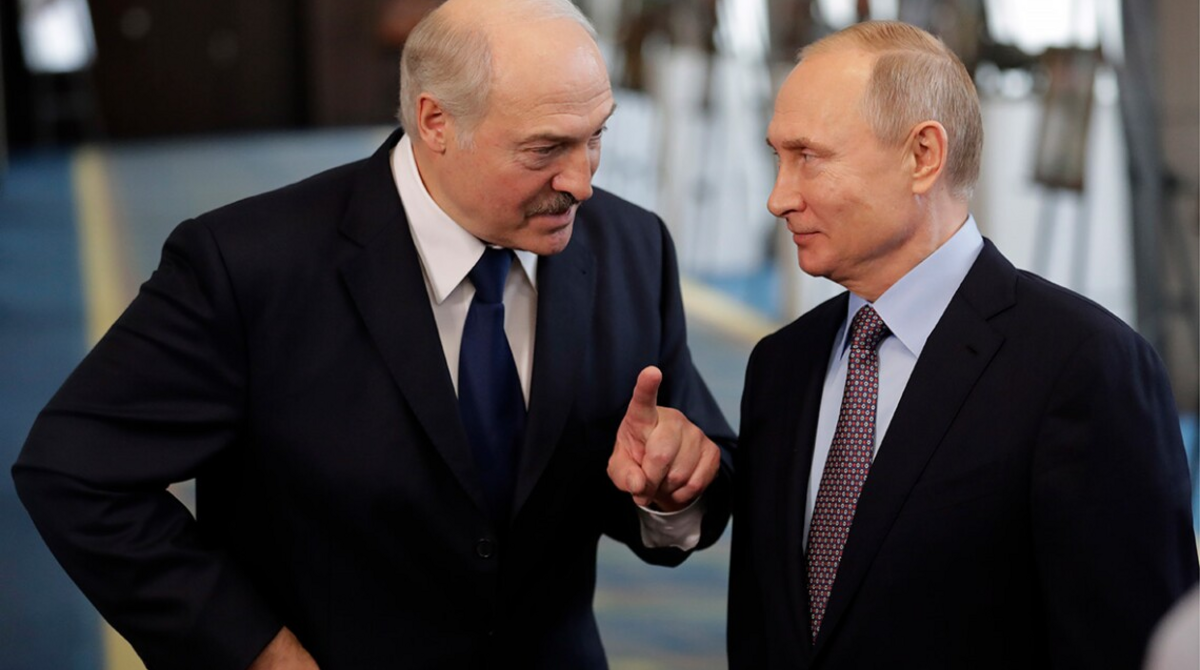
June 2026 marked the point of maximum tension in the Kyiv–Moscow–Minsk triangle. Whilst Ukrainian precision strikes on military installations, logistics hubs and air defence systems in occupied Crimea are reaching peak effectiveness, no less intriguing developments are unfolding deep within Russian territory. On 26 June, Alexander Lukashenko made an emergency, unannounced visit to Vladimir Putin’s private residence in Valdai. The one-on-one meeting concluded without any official statements to the press, which in diplomatic terms can mean only one thing: the talks were extremely difficult, and the compromises were fragile.
This analysis reveals the strategy behind the Kremlin’s conspicuous disregard for Crimea’s losses and the complex geopolitical game Minsk is attempting to play, whilst balancing between Kyiv’s ultimatums and pressure from Moscow.
The phenomenon of Putin’s «silence» on Crimea: strategy or powerlessness?
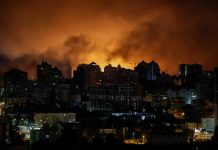
Crimea, which in 2014 was proclaimed the main «sacred bulwark» of Putin’s regime and a «red line», has become an area subject to regular and unpunished artillery strikes. The destruction of the S-400 systems, attack on the Kerch Bridge, the decommissioning of the remnants of the Black Sea Fleet and the threat of the peninsula’s complete socio-economic isolation (including shortages of basic foodstuffs in supermarkets) elicit only one response from the Kremlin — an information vacuum.
Putin deliberately ignores these attacks for several strategic reasons:
-
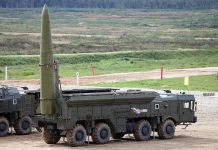
Debunking the myth of «invincibility» and the nuclear bluff. To acknowledge that Ukraine is systematically destroying its military infrastructure in Crimea with Western and its own weapons — would be tantamount to admitting the helplessness of Russia’s air defence. Since the «nuclear response over Crimea» – with which Moscow has been threatening the world for years – never materialised, it is more advantageous for Putin to pretend that «everything is going according to plan» than to demonstrate the weakness of his main geopolitical argument.
-
A shift in priorities towards exhaustion. Crimea for the Kremlin ceased to be a springboard for an offensive; at present, it is a costly endeavour to hold a besieged fortress. Putin is focused on attempts to break through the front line in the Donbas and the Kharkiv region, as well as on promoting his «peace initiatives» based on the 2022 Istanbul Agreements. Admitting the disaster in Crimea undermines his negotiating position, where he is attempting to act as the dictator of terms.
-
The economics of the war against Crimean tourism. The occupying authorities tried right up to the last moment to pretend that «the 2026 holiday season»It will happen. Putin cannot afford to let panic spread amongst the Russian population, as the regime’s internal stability rests on the illusion that the war is «somewhere far away» and does not affect the daily lives of Russian citizens.".
Lukashenko’s cunning manoeuvre: between Zelenskyy’s ultimatum and Putin’s trap
A surprise visit Lukashenko The Valdai meeting on 26 June was a direct result of Kyiv’s tough and effective diplomatic manoeuvre.
Background: The ultimatum of 19 June
19 June, the President of Ukraine Volodymyr Zelenskyy put forward to Lukashenko a one-week ultimatum: to remove from Belarus’s border areas the relay stations and masts that the Russian military had been using to correct the course of and guide «Shahed» kamikaze drones towards Ukrainian cities. In the event of refusal, Ukraine reserved the right to destroy these facilities by force of arms.
Lukashenko, realising the very real threat of hostilities spilling over into Belarusian territory, agreed to a covert compromise. As early as 22 June, the relay stations had ceased to function, as confirmed by Ukrainian intelligence. Moreover, on 25 June, Lukashenko publicly admitted that he had secretly met with representatives of Zelenskyy in Minsk, where he told them: «Tell your president: if he thinks he can talk to us like that… the nature of the war will change in an instant». However, a de facto capitulation to Kyiv’s technical demands has already taken place — Drones have stopped flying over Belarus.
The Valdai visit: an attempt to justify oneself to Putin
It was precisely the implementation of the Ukrainian ultimatum that forced Lukashenko to fly to Valdai at short notice. Putin very rarely receives foreign leaders at his private residence, where he lives with his family, which underlines the urgency and the closed nature of the meeting.
What does Minsk’s «cunning manoeuvre» consist of at this stage?
-
Sabotage of direct participation in the war: The day before the visit, Lukashenko pointedly met with the Russian ambassador Boris Gryzlov and called for «Belarus not to be dragged into the war». At Valdai, the Belarusian dictator tried to sell the shutdown of Russian relay stations to Putin as a «defence against a large-scale attack by Ukraine», which could allegedly have dragged Belarus into the conflict at an inopportune moment for Moscow.
-
Economic blackmail in exchange for loyalty: Whilst Belarus continues to build border infrastructure (roads and fuel depots for the Russian Armed Forces, as mentioned stated (Ukrainian intelligence), Lukashenko is demanding that Putin provide new subsidies and loans and plug the gaps in the budget within the framework of the «Union State». His tactic is to promise «eternal loyalty and integration», whilst doing everything possible to ensure that the Belarusian army does not cross the border.
-
Seeking contacts with the West and Kyiv: Lukashenko is terrified of ending up in the dock alongside Putin. Attempts at separate negotiations with Ukraine and the enforcement of ultimatums are an attempt to establish channels of communication in the event of a sudden transfer of power or the collapse of Putin’s regime.
Summary and Outlook
The current situation points to a deep crisis within the so-called «union bloc» of the Russian Federation and Belarus:
| Vector | Current status | Forecast for the coming months |
| Crimean Track | The systematic destruction of logistics and air defence systems, whilst the Kremlin remains completely silent. | Tightening the blockade of the peninsula. Putin will only respond in the event of a physical threat to the land corridor. |
| Lukashenko’s behaviour | Striking a balance between complying with Kyiv’s demands and demonstrating loyalty to Moscow. | A continuation of the «stalling» policy. Lukashenko will avoid direct involvement in the war, using the Valdai agreements to extract money. |
| The border between Ukraine and Belarus | A decline in drone activity, but continued construction of military infrastructure. | The risk of provocations remains, but Belarus will act solely as a rear base for as long as Putin’s regime is able to fund it. |
Key finding: Putin is ignoring Crimea because any public reaction would lay bare the crisis within his military machine. Lukashenko, taking advantage of the Kremlin’s powerlessness, is playing his own game: he is demonstrating to Kyiv his willingness to compromise in order to save his own skin, whilst selling his «geopolitical loyalty» to Putin for billions of oil-rubles. However, the frosty reception at Valdai, with no final communiqué, suggests that the room for manoeuvre in Minsk is rapidly narrowing.