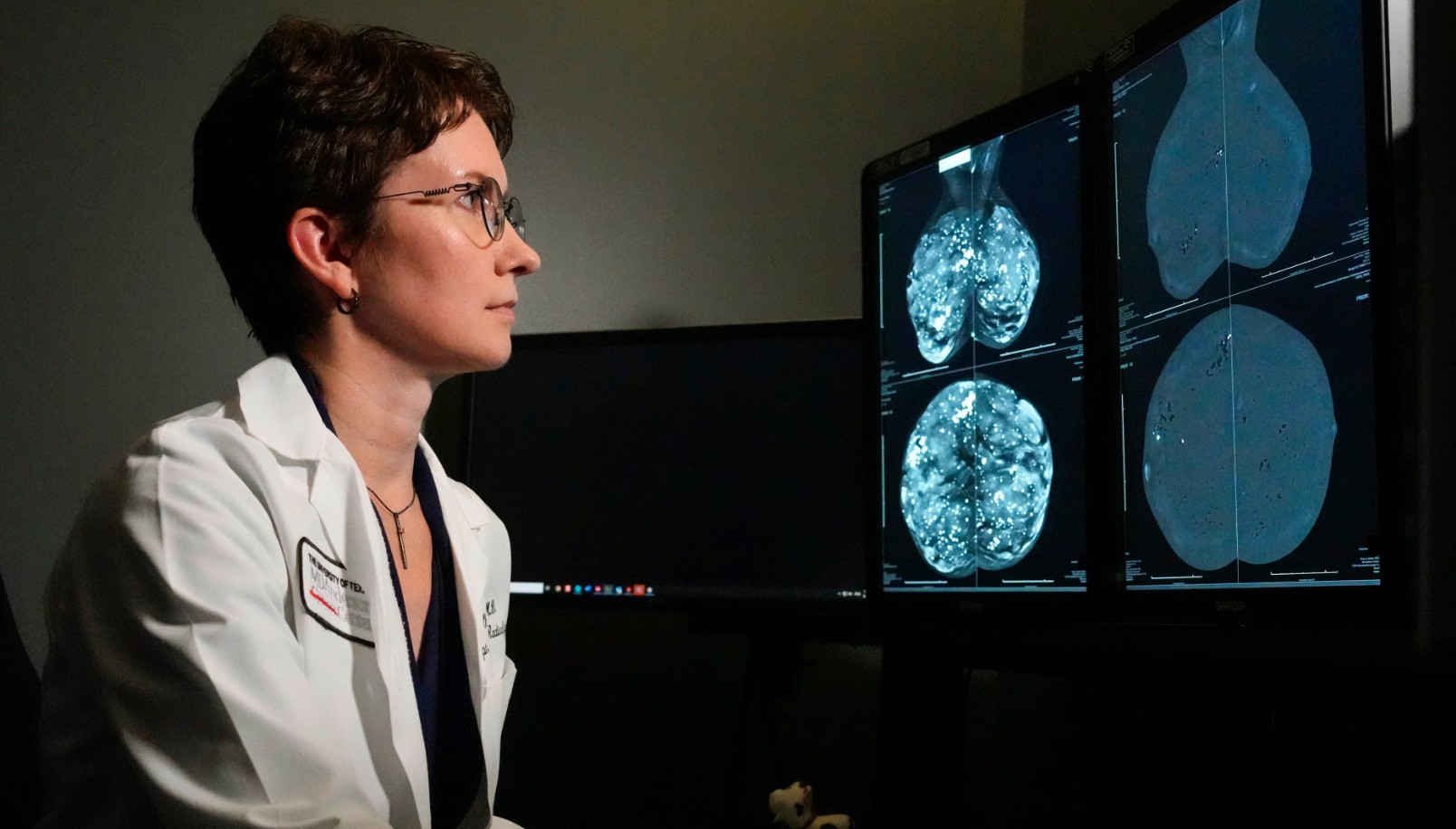
The international Optima study showed that a genomic test allows patients with hormone-dependent breast cancer to safely avoid chemotherapy. Women with a low risk of recurrence received hormone therapy alone, maintaining a high survival rate and a low rate of disease recurrence.
- A genomic test determines the need for chemotherapy in breast cancer.
- More than 4,000 patients participated in the international Optima study.
- Low-risk patients received only hormone therapy.
- Survival and relapse-free survival in these patients did not differ from the chemotherapy group.
- The test helps to avoid the toxic side effects of chemotherapy.
Details of the Optima study
Optima is an international randomised trial involving 4,429 patients with hormone-dependent breast cancer from the UK, Norway, Sweden, Australia, New Zealand and Thailand. Participants were divided into two groups: standard treatment with chemotherapy and hormone therapy and treatment based on the results of the Prosigna genomic test.
Genomic test Prosigna analyses the activity of 50 tumour genes and estimates the risk of cancer returning within ten years. Patients with a low score received hormone therapy alone, while patients with a high score received a combination of chemotherapy and hormone therapy. Both groups received standard radiotherapy and other necessary treatments.
Results and impact on treatment
After five years, 95% of patients with chemotherapy and hormone therapy were alive and free of relapse, while among those who skipped chemotherapy, this figure was 94%. This indicates that for low-risk patients, chemotherapy did not add a significant therapeutic effect.
Professor Rob Stein, study leader, emphasised that these results allow us to personalise treatment and significantly reduce the physical and psychological burden on patients, avoiding toxic side effects.
Implications for healthcare systems
The use of genomic testing allows healthcare systems to allocate resources more efficiently, directing chemotherapy only to those patients for whom it has a significant therapeutic effect. This reduces costs and improves the quality of life for patients.
Professor Iain Macpherson from Glasgow noted that the study is changing the practice of treating hormone-dependent breast cancer, making it more accurate and safer.
Features of hormone-dependent breast cancer
Hormone-dependent cancer accounts for about 80% of breast cancer cases worldwide. This type of tumour responds to hormone therapy, making it suitable for treatment without chemotherapy in the case of a low risk of recurrence.
The study also included men, but there were too few of them to draw statistically significant conclusions in this group.
International context and perspectives
Optima's findings will be presented at the American Society of Clinical Oncology's largest global oncology conference in Chicago. They have the potential to change international breast cancer treatment guidelines and strategies, promoting personalised medicine and reducing unnecessary toxic interventions.