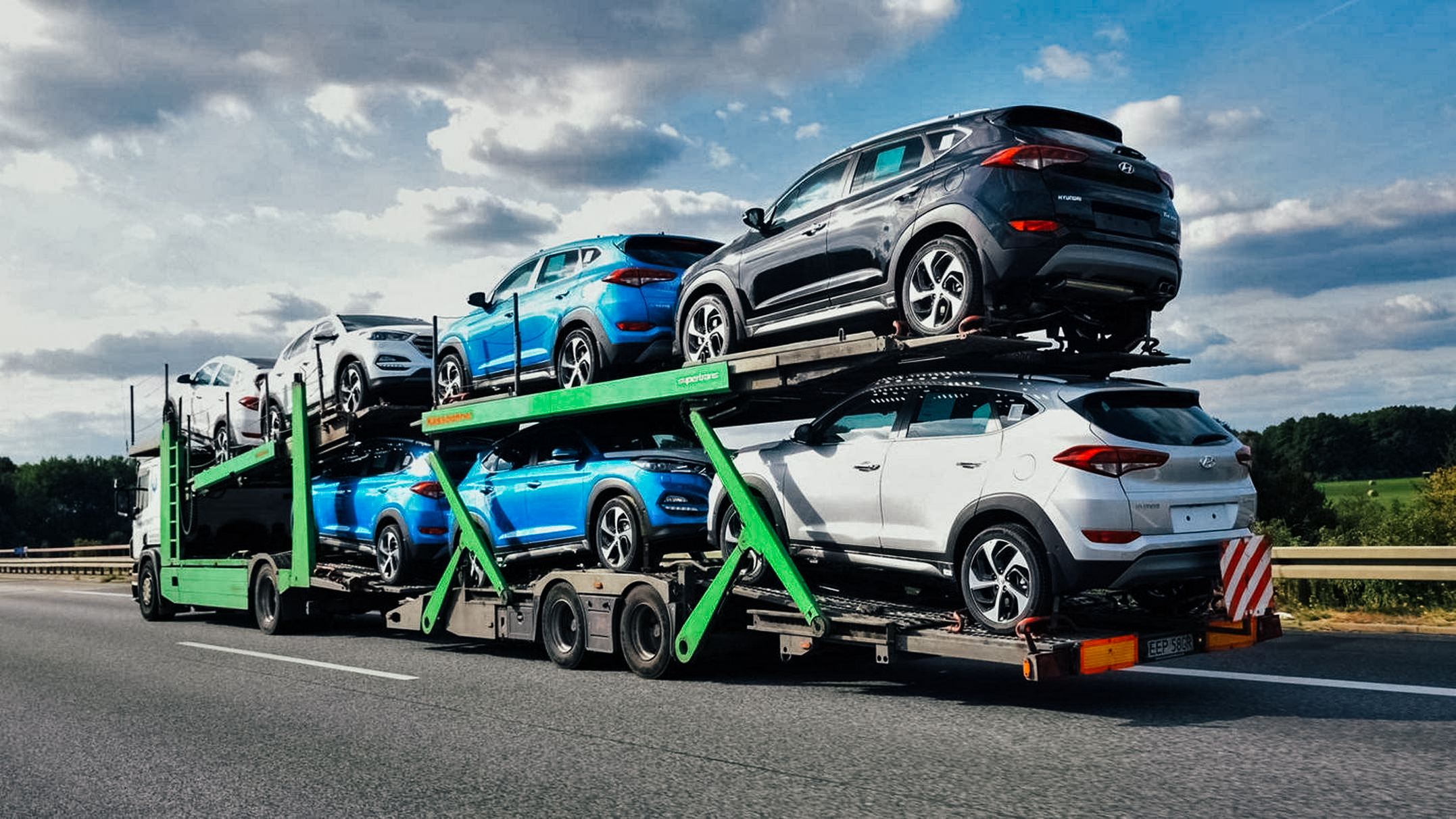
The Ukrainian car market is preparing for major tectonic shifts. З 8 June 2026 The State Customs Service of Ukraine (SCSU) is officially launching a new large-scale pilot project that will radically change the rules of the game for importers and ordinary buyers. From now on every second customs declaration for a used car will go through a rigid sieve of additional monitoring.
The main impact will be on the most massive segment - cars imported from the European Union with various benefits and tariff preferences. What exactly has the State Customs Service prepared and why it will now take much longer and more expensive to bring a coveted «Euro car» or a legal turnkey car - we analyse in a detailed analysis.
The essence of the experiment: «Random» versus the human factor
According to the official press service State Customs Service of Ukraine, A new stage of enhanced monitoring will continue from 8 June to 31 December 2026. The main technical detail that shocked the market was the level of selectivity of the system.
Important: The automated risk management system (ARMS) will randomly select declarations from 50% selectivity. This means that exactly half of all imported used cars will be subject to a total additional audit.
The main change is the elimination of the «local factor». Previously, it was possible to negotiate or resolve issues directly at a regional customs post, but now the procedure is moving to a digital skyscraper. The inspection will be carried out by a specialised Customs Competence Centre, created on the basis of the Coordination and Monitoring Customs in Kyiv. The clearance will be carried out remotely, without any visual contact with the declarant or inspector at the border.
In the crosshairs - privileged people and European imports
The innovation will not affect all imports in general, but will target the most popular niche. The Centre's inspectors will pay special attention to vehicles that:
-
Already in operation (used cars).
-
Imported with the use of preferential trade regimes and preferential terms (in particular, EUR.1 certificates of origin from EU countries).
Customs officials do not hide their goal: the state seeks to completely eliminate schemes of artificially understating customs value, using fictitious documents and unlawfully obtaining tariff benefits.
A detailed analysis: what are the three criteria that will be used to «shake» each car?
Experts of the specialised resource Ministry of Finance note that during the Kyiv audit, inspectors will focus on three fundamental aspects:
1. Documents of origin (Certificates EUR.1)
In order to receive a zero or reduced duty rate, a car from the EU must have a perfectly executed EUR.1 certificate or a corresponding declaration from the exporter. Any technical error, font mismatch or questionable signature will result in the cancellation of the benefit and the owner will have to pay the full rate of duty.
2. Real customs value (Invoices and bank statements)
The practice of «buying» an expensive car in Europe for a few hundred euros after a fake accident is becoming a thing of the past. The Kyiv Centre will compare the declared amount with the real market databases of the country of departure. Buyers will have to provide not just a paper purchase and sale agreement (kauf), but also official bank statements on the actual transfer of funds and export declarations from the EU country.
3. Technical classification by UKTZED code
Manipulations with the year of manufacture, exact engine size or fuel type (for example, attempts to pass off a conventional hybrid as a pure electric vehicle to save on excise duty) will be severely punished. The technical passport of the country of registration will be checked «under a microscope».
What it means for ordinary Ukrainians: consequences and risks
For the end buyer planning to purchase a car from abroad, these innovations will result in two main problems: time and money.
-
Queues and delays at the border. A centralised inspection in Kyiv will inevitably increase customs clearance time. Even honest importers with a full package of documents will have to wait for the Kyiv office to process and confirm their declaration.
-
Increased cost of logistics and brokerage services. As the risk of being held up at customs increases, turnkey car delivery companies will raise the cost of their services. This will also include the cost of additional days of downtime for car carriers.
-
Increase in the final price in the car market. The shutting down of grey schemes will force many resellers to pay taxes in full, which will immediately affect the price tags on the Ukrainian domestic market.
How to prepare for imports after 8 June?
If you are planning to buy a car in the near future, lawyers and customs brokers advise you to follow strict safety rules:
Comparative analysis: How used car imports will change from 8 June
| Evaluation criterion | As it was before | How it will be now (New stage of control) | Advice for buyers and importers |
| Level of verification | Most of the cars were cleared under the simplified or standard ACS procedure. | Total control (50%): The system randomly selects every second car for an additional audit. | Get ready for a 50/50 chance that your car will be subjected to a rigorous inspection. |
| Who makes the decision | An inspector directly at the regional customs post where the car is cleared. | Customs Competence Centre (Kyiv): The verification is carried out remotely, without contact with the declarant. | “It's not possible to ”negotiate" on the spot. All documents must be perfect for a digital audit in the capital. |
| Customs value (Price) | It was possible to provide an understated invoice or a handwritten sales contract (kauf). | Strict verification: The cost is compared with the official EU databases. They require confirmation of bank transfers. | Be sure to keep SWIFT payments, bank statements and an actual export declaration from an EU country. |
| Certificate EUR.1 (Benefits) | Often, documents were accepted with minimal scrutiny, which allowed for significant savings on customs duties. | Audit of origin: Verify the authenticity of EUR.1 certificates “under the microscope” for technical errors. | Check every letter and stamp in EUR.1. The slightest mistake will result in the cancellation of the exemption and the charging of the 100% duty. |
| Processing time | Usually, the customs clearance procedure took from several hours to one business day. | Delays and queues: Due to the remote review of documents in Kyiv, the processing time will increase significantly. | Budget for additional costs for truck downtime or additional days of renting a customs warehouse. |
| Classification (UKTZED) | Manipulations with the type of engine (for example, passing off a hybrid as a pure electric car) sometimes went unnoticed. | Technical control: Careful checking of the technical passport (Brief), year of manufacture and exact engine characteristics. | Do not try to artificially “rejuvenate” the car or hide its real technical data - this will lead to fines. |
Resumes for business and drivers:
The State Customs Service emphasises that this step is part of a large-scale European integration reform and preparing for the implementation of the new Customs Code of Ukraine. The previous similar stage of the pilot project, which concerned fertilisers and crop protection products, demonstrated high fiscal efficiency. Now the government has taken on the automotive business, seeking to bring it out of the shadows once and for all. Buyers will either have to accept the new transparent (and more expensive) rules of the game or buy cars that are already registered in the country.