Ukrainian President Volodymyr Zelenskyy has signed a law removing Russian from the list of languages protected under the European Charter for Regional or Minority Languages. This decision has provoked a sharp reaction from Russia, which has described it as a manifestation of neo-Nazism and a threat to the rights of Russian-speaking citizens. Russian Foreign Minister Sergey Lavrov has emphasised the need to restore the rights of Russian speakers in the country.
- Zelenskyy has signed a law removing Russian from the list of protected languages.
- The decision relates to the fulfilment of obligations under the European Charter.
- Russia regards the move as an expression of neo-Nazism.
- Lavrov announced plans to defend the rights of Russian speakers in Ukraine.
- The Russian Foreign Ministry has accused Ukraine of spreading Nazi symbols.
The Language Law and Ukraine’s European obligations
President of Ukraine Volodymyr Zelenskyy signed the law, which excludes the Russian language from the list of languages eligible for protection under the European Charter for Regional or Minority Languages. This move forms part of Ukraine’s fulfilment of the commitments it has undertaken as part of its European integration. The law provides for the continued protection of other minority languages, but excludes Russian due to the specific nature of the political situation.
Russia’s reaction to Ukraine’s language policy
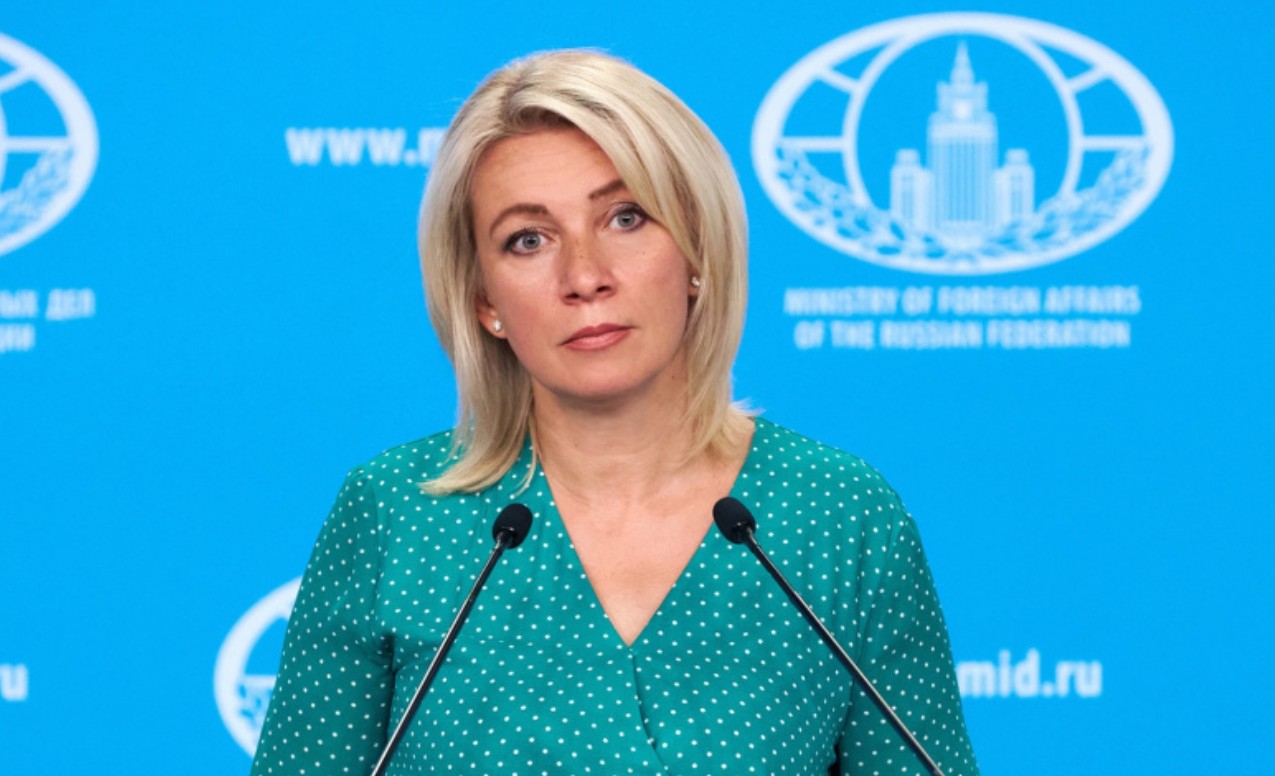
A spokesperson for the Russian Ministry of Foreign Affairs Maria Zakharova described Zelenskyy’s decision as a «manifestation of neo-Nazism». She emphasised that the removal of the Russian language from the list of protected languages is a deliberate political move that restricts the rights of Russian-speaking citizens of Ukraine. This assessment reflects Moscow’s view of the language reform as part of a wider conflict between the countries.
Sergey Lavrov’s stance on the rights of Russian speakers
Russian Foreign Minister Sergey Lavrov stated that Moscow intends to seek the full restoration of the rights of Russian and Russian-speaking citizens of Ukraine. He linked this to the need to establish lasting peace within the country. This statement underscores pressure from Russia Kyiv in the context of language and national policy.
Accusations that Ukraine is spreading Nazi symbols
The Russian Foreign Ministry’s report on human rights in Ukraine states that Ukraine allegedly ranks first in the world in terms of the number of monuments dedicated to Nazis and fascists. In particular, it mentions nearly 50 monuments To Stepan Bandera and over 500 streets named after him. Russia uses these facts to bolster its criticism of Ukraine’s language policy and its accusations of the spread of neo-Nazism.