Finland has officially lifted its ban on nuclear weapons by passing a law to that effect in parliament. The decision was supported by 125 MPs, paving the way for the import, transport and storage of nuclear weapons within the country. This is an important step against the backdrop of growing security threats and Finland’s integration into NATO.
- The Finnish Parliament has lifted the ban on nuclear weapons by a vote of 125 to 61.
- The law permits the import, transport and storage of nuclear weapons for defence purposes.
- The changes bring Finland’s regulations into line with NATO standards following its accession in 2023.
- The Defence Minister emphasised the need to strengthen defence and nuclear deterrence.
Parliament’s decision to lift the ban on nuclear weapons
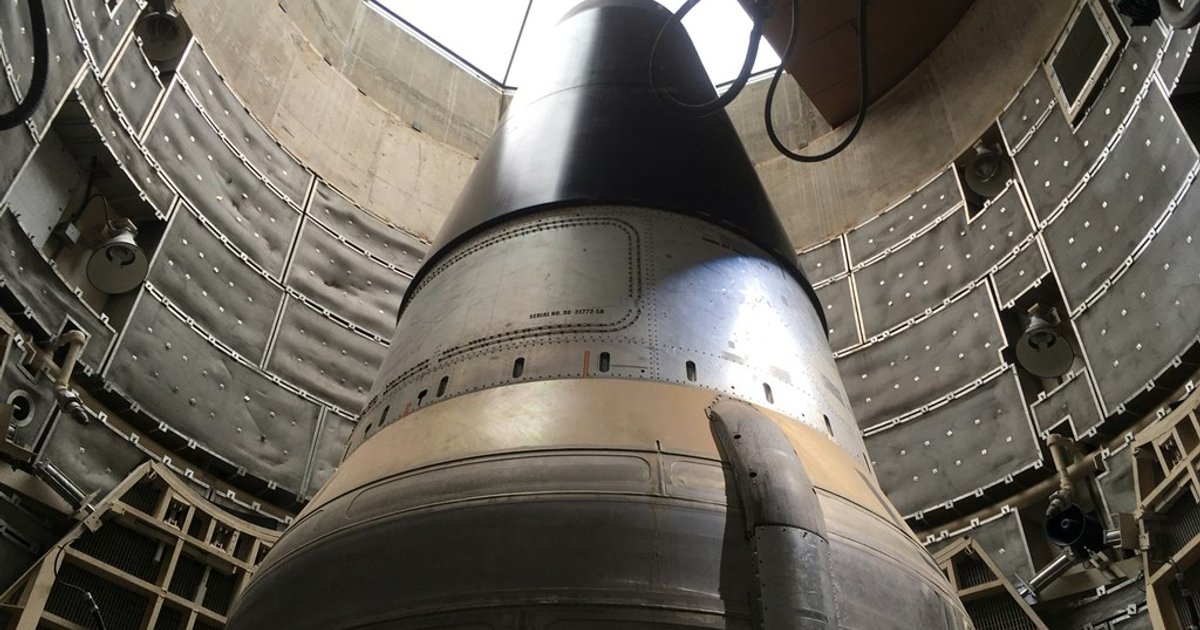
On 17 June, the Finnish Parliament passed a law lifting the ban on nuclear weapons. 125 MPs voted in favour of the changes, with 61 against. The law permits the import, transport, supply and storage of nuclear weapons on Finnish territory where necessary for national defence. This was reported by reports Bloomberg.
Strengthening defence capabilities and the role of NATO
Minister of Defence Antti Hakkanen In a post on the social media platform X, he emphasised that the changes are aimed at strengthening Finland’s defences. The law also allows for the full use of nuclear deterrence NATO as a means of defending the country. This move follows Finland’s accession to the Alliance in 2023, which was a response to Russia’s full-scale invasion of Ukraine.
European states are reviewing their policy of deterrence due to uncertainty over Russia’s intentions and doubts about the long-term reliability of US security guarantees. Finland is considering joining the French President’s initiative Emmanuel Macron regarding the expansion of the French nuclear deterrence in Europe. The final decision is due to be taken in the autumn.
The political reaction in Finland
The draft bill sparked controversy in parliament. Opposition parties criticised the government for the lack of a broad parliamentary consensus, which is usually the norm for important foreign policy or security decisions. At the same time, the support of the majority reflects the government’s desire to adapt to new security challenges.
Impact on regional security
Changes to Finnish legislation reflect wider trends across Europe, where countries are seeking new ways to protect themselves amid growing tensions with Russia. Lifting the ban on nuclear weapons could be a key factor in deterring aggression and enhancing the defence capabilities of the northern NATO countries.