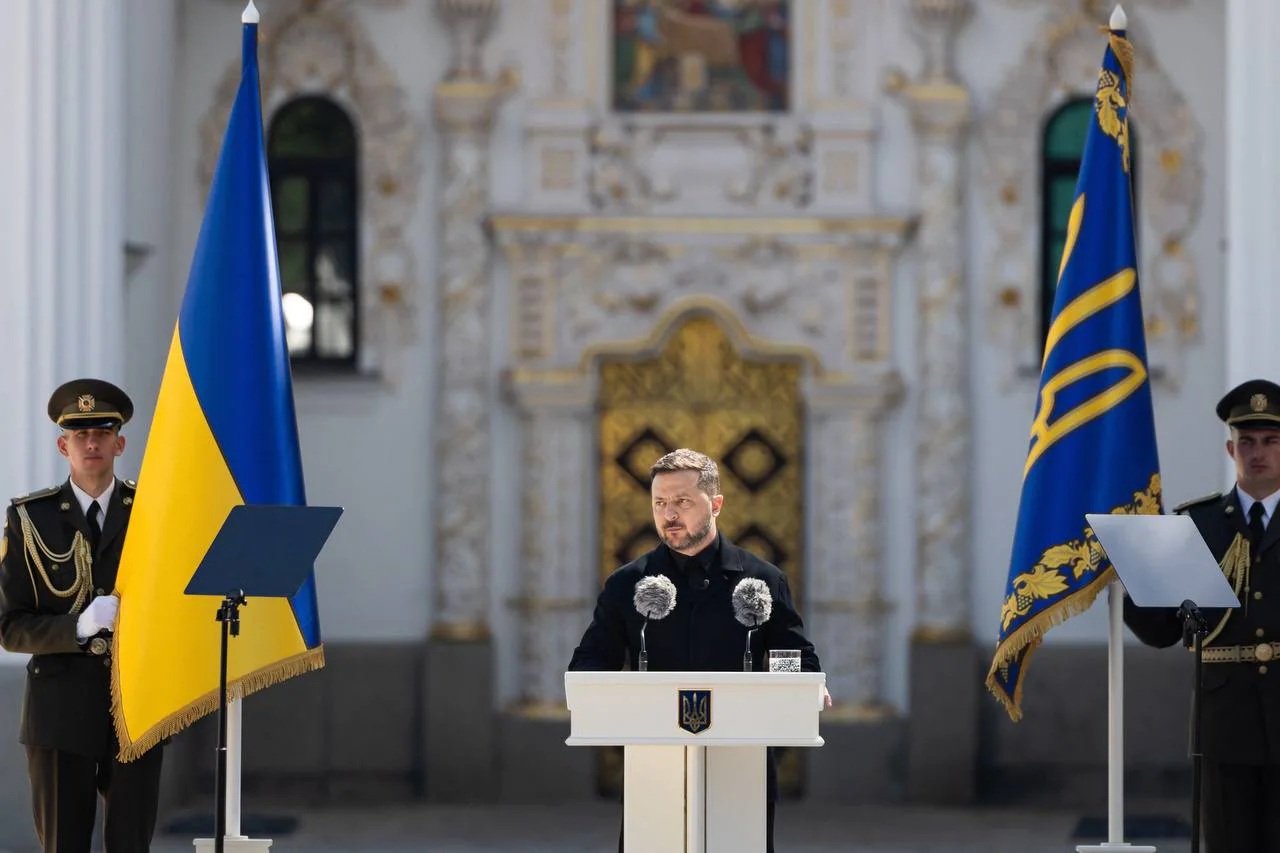
President Volodymyr Zelenskyy’s tabling of a bill to establish the Ukrainian National Pantheon has caused serious concern amongst senior Polish officials. Warsaw regards this move as an escalation of the historical conflict.
- Zelenskyy tabled a bill on the National Pantheon on 28 June 2026.
- Polish government officials have expressed their outrage and disappointment at Kyiv’s initiative.
- Warsaw believes that this exacerbates historical disputes between the countries.
- Kyiv emphasises its sovereignty over matters relating to its own history.
- The creation of a pantheon could have an impact on Ukraine’s European integration.
A new rift between Kyiv and Warsaw
Submission by the President Volodymyr Zelenskyy The draft bill on the establishment of the Ukrainian National Pantheon has caused serious concern and a wave of outrage among senior Polish officials. There is a growing conviction within the Polish government that Kyiv is deliberately seeking to escalate the historical and diplomatic conflict with Warsaw.
Polish ministers are disappointed by Zelenskyy’s move
According to journalists, Polish government officials from the cabinet Donald Tusk are making no secret of their disappointment at the timing and manner in which the Ukrainian initiative was presented. One of Poland’s current ministers, speaking on condition of anonymity, stated that this move dashes previous hopes for a diplomatic compromise:
“It’s a great pity that Zelenskyy did that. We’d hoped we’d be able to improve our relations, but it looks as though things are going to get even worse.”
Another anonymous source, who holds a senior position within the Polish authorities, has explicitly warned Kyiv against further escalation. According to him, stoking historical disputes at such a critical juncture works against Ukraine itself:
“Ukraine is doing itself a disservice by fuelling a dispute with Poland.”
What does the law on the Pantheon stipulate?
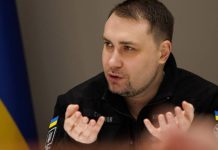
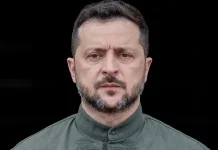
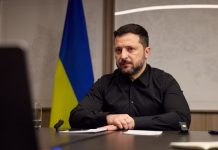
It should be recalled that on 28 June 2026, during the celebrations to mark Ukraine’s Constitution Day, Volodymyr Zelenskyy officially submitted to the Verkhovna Rada Draft Bill No. 15360 “On the Ukrainian National Pantheon”. This memorial complex is to be built in Kyiv to honour outstanding Ukrainians who, throughout history, have fought for our country’s independence. In presenting the initiative, the Head of State made it clear that Ukraine would no longer bow to external pressure on matters concerning its own history. This firm, sovereign stance was also supported by the Head of the President’s Office Kirill Budanov. They jointly emphasised that no one would ever again tell Ukrainians who they should call their heroes.
Historical background: Why is Warsaw reacting so strongly?
The current diplomatic chill is the latest in a series of high-profile scandals between the neighbouring countries. Disputes over UPA: Previously, the decision to award one of the Special Operations Forces units an honorary title in honour of the “Heroes of the UPA” had provoked strong opposition in Warsaw due to differing views on the Volhynia tragedy. Awards scandal: Tensions were heightened by a decision taken by Poland’s newly elected president Karol Navrotsky to remove Volodymyr Zelenskyy from office Order of the White Eagle. In response, several Ukrainian officials ostentatiously returned their Polish honours, which jeopardised the Ukrainian delegation’s planned visit to the economic forum in Gdańsk.
For Ukrainian society, the creation of the Pantheon is a fundamental step towards asserting sovereignty; however, for the Polish political establishment, Kyiv’s uncompromising rhetoric has signalled that it will be impossible to reach a historical consensus in the near future.