Cuba has experienced a major blackout across its national power grid for the second time this week. According to the authorities, power supply has only been partially restored, and the situation in the eastern regions of the country remains critical. The causes cited are a fuel shortage and incidents at power stations. Social tensions are mounting, with local protests being reported.
Briefly about the main points
- Cuba has experienced its second nationwide power cut in a week.
- The electricity supply has been only partially restored, particularly in the eastern regions.
- This was due to a fuel shortage and incidents at power stations.
- The authorities blame US sanctions, whilst experts also point to administrative inefficiency.
- Local protests have been reported in Havana and other cities due to power cuts.
The second major power grid failure this week
On the evening of 10 July, Cuba’s national power grid collapsed for the second time in a week, leaving millions of residents without electricity. According to the state-owned company Unión Eléctrica, as of 12 July, power supplies had been partially restored, but in many regions, particularly in the east of the country, electricity is only available for 1–2 hours a day.
This is now the fourth nationwide blackout on the island since the start of the year. The authorities have confirmed that this was caused by an acute fuel shortage and breakdowns at key power stations, which are operating at full capacity.
- The fourth major power cut in Cuba since the start of the year.
- The eastern regions remain the hardest hit.
- The power supply is being restored slowly due to a lack of resources.
The causes of the energy crisis: sanctions, shortages and ageing infrastructure
Cuba has been experiencing a severe energy crisis for several years now, which has worsened since a reduction in oil supplies from Venezuela and Mexico. The authorities cite US sanctions, which have restricted imports of fuel and technology, as the main reason for this.
According to the International Energy Agency, Cuba imports more than half of its energy resources, and most power stations operate using outdated equipment. A lack of investment and chronic infrastructure deterioration make it difficult to restore the grid even following minor incidents.
Reactions from the authorities, international organisations and the public
Cuba’s Minister of Energy Vicente de la O Levi described the situation as «the most difficult in recent decades» and promised to continue work on restoring the network. The Foreign Secretary Bruno Rodríguez Parrilla At a UN meeting, he accused the US of «collective punishment» of the Cuban people.
Representatives of the UN and the EU have called for sanctions to be eased in order to meet the humanitarian needs of the population. At the same time, independent experts point out that the crisis is caused not only by external pressure, but also by inefficiency in energy management and a lack of reforms.
Amid power cuts in Havana Local protests are being reported in these and other cities. However, unlike the mass demonstrations of 2021, the current protests remain scattered.
Social consequences and the daily lives of Cubans
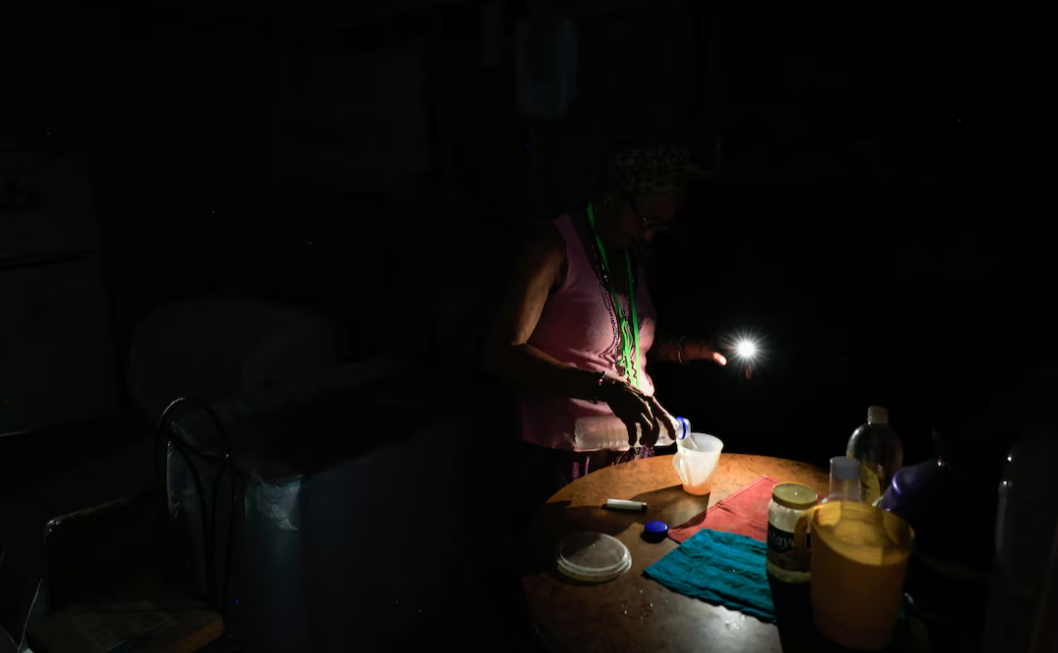
People in Cuba are facing serious difficulties: food is going off due to a lack of fridges, business owners are suffering financial losses, and families are having to adapt to life without a reliable electricity supply.
Some areas receive electricity for only an hour or two a day, which makes it difficult to access water, communications and medical services. Social tensions are rising, but have not yet led to large-scale unrest.
Is there any chance of the power system stabilising?
At present, there is no independent confirmation of the exact scale of the power cuts or the number of people affected. The Cuban authorities have not published a specific plan to stabilise the power grid, and the restoration of electricity supplies is proceeding slowly.
An editorial analysis shows that, without significant policy changes and investment in infrastructure modernisation, Cuba will remain vulnerable to such crises. At the same time, international pressure to ease sanctions may partially alleviate the situation, but will not resolve the systemic problems in the energy sector.