The Ukrainian Armed Forces« Unmanned Systems Forces announced that they had struck 159 vessels linked to the Russian shadow fleet between 6 and 17 July as part of Operation »MoLoChKa’. According to Robert Brovdi, commander of the Unmanned Systems Forces, 117 targets were attacked in the Sea of Azov and 42 in the Black Sea. On the night of 17 July, he said, a further 12 vessels were struck.
Briefly about the main points
- Operation «MoLoChka» has been underway since 6 July.
- The SBS reported that 159 vessels had been struck over a 12-day period.
- It has been reported that 117 vessels have been attacked in the Sea of Azov.
- According to the SBS, 42 vessels were hit in the Black Sea.
- According to the commander of the SBS, the night-time attack on 17 July targeted 12 vessels.
The night-time attack brought the reported death toll to 159
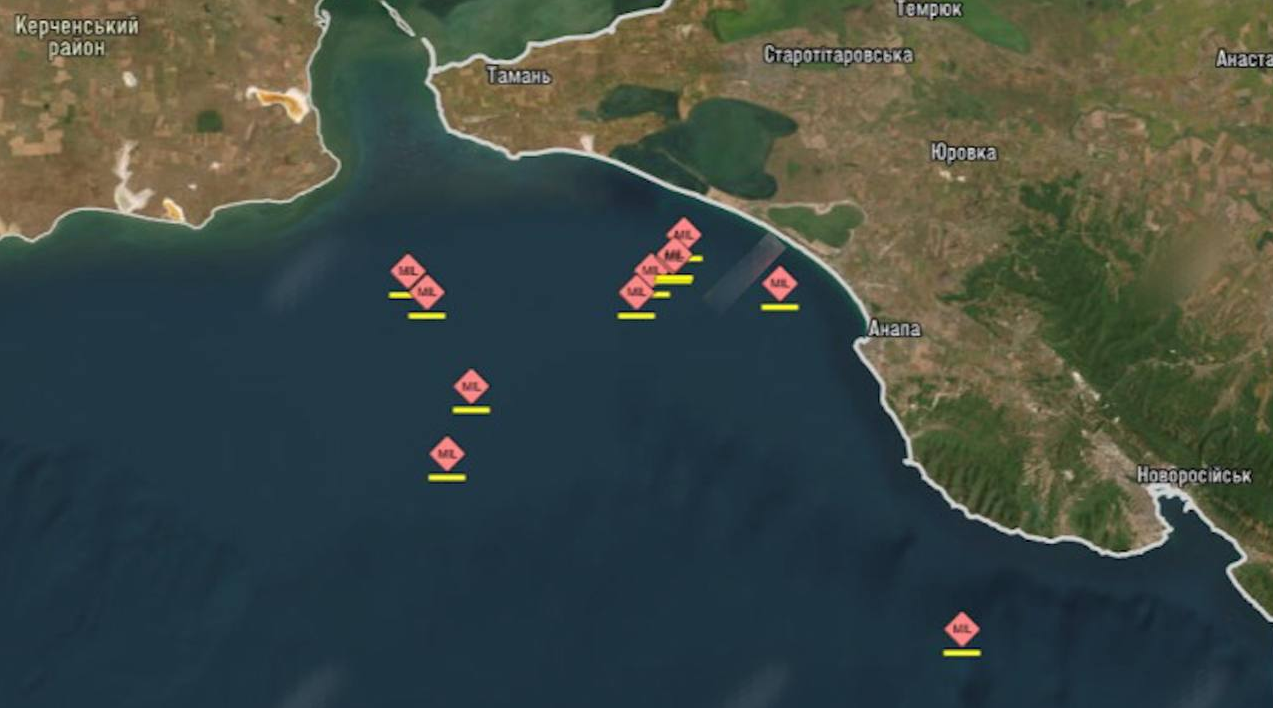
Commander of the SSF Robert Brovdi reported that on the night of 17 July, Ukrainian units attacked nine dry cargo ships, a tanker, a gas tanker and a tugboat in the Black Sea. According to him, these 12 targets brought the total number of vessels struck during the operation to 159.
The reported total corresponds to the figures previously announced by the SBS: as of 16 July, there were 147 vessels — 117 in the Sea of Azov and 30 in the Black Sea. Details of the night-time strike and the types of vessels were provided by the commander of the SBS.
From the Sea of Azov to the Black Sea
Operation «MoLoChKa» began on 6 July and was initially concentrated mainly in the Sea of Azov. The majority of the reported strikes — 117 — took place in this area.
The Black Sea phase began on the night of 15 July. At that time, the SBS announced that 20 vessels damaged, including 17 oil tankers, two gas carriers and a tugboat. Reuters reported this information, citing the Ukrainian side.
The expansion of attacks into the Black Sea indicates an attempt by Ukraine to disrupt a wider network of Russian maritime transport. At the same time, the reported number of strikes does not in itself imply complete control over both bodies of water.
The aim is to take the vessels out of service
According to Brovdi, the operation is aimed at disrupting the routes used by Russia to transport oil, fuel and other cargo, in particular by bypassing international sanctions. The objective is not to sink the vessels, but to take them out of service and restrict their ability to carry out transport operations.
This approach may explain the focus on targeting components essential to the vessel’s control systems. The specialist maritime publication *The Maritime Executive*, in analysing footage of previous attacks, highlighted strikes on the superstructure and bridge: damage to the command centre can bring the vessel to a halt without destroying the hull or causing a large-scale oil spill.
Individual operations carried out by the SBU and the Navy are not automatically included in this tally
On 16 July, the SBU and the Navy separately reported an attack by «Mamai» maritime drones on the tankers Louise 1 and Banda in the Black Sea. The Ukrainian organisation War & Sanctions lists the Louise 1 among the vessels involved in transporting Russian oil in circumvention of sanctions.
This operation should not be automatically included in the «MoLoChka» tally: the SBS, the SBU and the Navy reported it as a separate incident. Russia had previously denied Ukrainian assessments of the scale of the attacks in the Sea of Azov and labelled them «terrorism».
Increased risks to shipping could complicate Russia’s port and export logistics. The Azov route handles around a quarter of Russia’s grain exports; however, there are currently no figures available on the actual volume of shipments disrupted by this campaign.