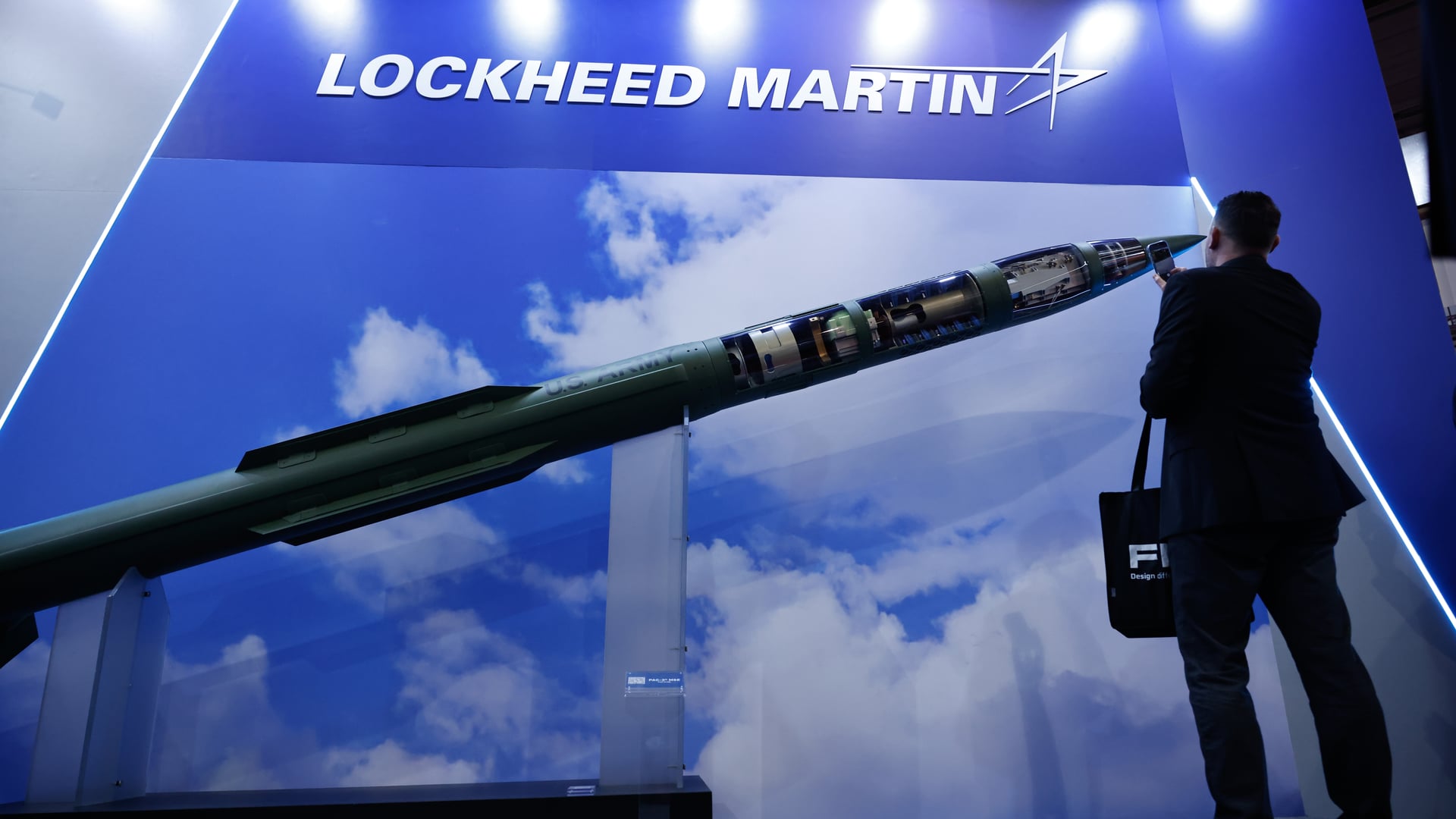
The first Ukrainian-made Patriot interceptor missiles may not be available until 2028 at the earliest. This timeframe is based on the assessment that Ukraine will need at least 18–24 months to launch a pilot production line, followed by additional time to manufacture the first units. At the same time, President Volodymyr Zelenskyy expects production to be technically feasible by the end of 2026.
Briefly about the main points
- The US has publicly promised Ukraine a licence for Patriot interceptor missiles.
- As of 17 July, the terms of the forthcoming licence have not been disclosed.
- Zelenskyy expects production capacity to be in place by the end of 2026.
- It may take at least 18–24 months to launch the pilot line.
- The first completed missiles may not be ready until 2028 at the earliest.
A licence does not necessarily mean that missiles will be launched immediately
On 8 July, the US President Donald Trump stated that the United States would provide Ukraine with licence for the production of Patriot interceptor missiles. The details of the agreement have not been made public: it is not known whether it will cover the full production cycle, assembly from ready-made kits, the manufacture of individual components, or the production of a specific version of the interceptor.
This is crucial in terms of timelines. Patriot is an air defence and missile defence system, whilst reports on localisation specifically refer to interceptor missiles. The scope of the technology transferred and the nature of the localised operations will determine the extent to which Ukraine will be able to establish its own production capacity.
Two different production milestones
15 July Volodymyr Zelenskyy stated that Ukraine expects to have the technical capability to produce missiles for Patriot. This wording refers to the establishment of production capacity, rather than the timeframe for the first completed and certified missile to be ready.
According to the chair of the parliamentary defence committee Yegor Chernev, even assuming the supply of complete sets, it will take at least 18–24 months to source the components required to launch the pilot line. After that, additional time is required to manufacture the first units. Therefore, 2028 appears to be a conservative target specifically for the first rockets, rather than for the start of technical preparations.
Dependence on the international supply chain
Even with licensed production, Ukraine is likely to remain dependent on imported high-tech components and export controls during the initial phase. The source material states that such components are supplied to manufacturers in the US and Japan, and this could have a significant impact on the timetable.
Japan’s Mitsubishi Heavy Industries manufactures the Patriot under licence from the US firm Raytheon and Lockheed Martin and is the main contractor for the programme in Japan. However, its role in the current international supply chain does not imply that there is a separate agreement to supply components to Ukraine.
Consequently, the timelines will depend not only on Ukraine’s production capacity. The terms of the licence, contracts with rights holders, the availability of components and the security conditions for scaling up production could all be decisive factors.
Localisation will not meet the air defence needs in the near future
Ukrmedia News attributes the shortage of US interceptor missiles to rising global demand and the depletion of stocks due to the war in the Middle East. Under these circumstances, localising production cannot quickly replace the existing supplies to Ukraine by 2026.
At the same time, domestic production capacity could, in the medium term, reduce dependence on imports of finished missiles from abroad. The extent of this capacity will depend on the final terms of the licence and the supply of components.