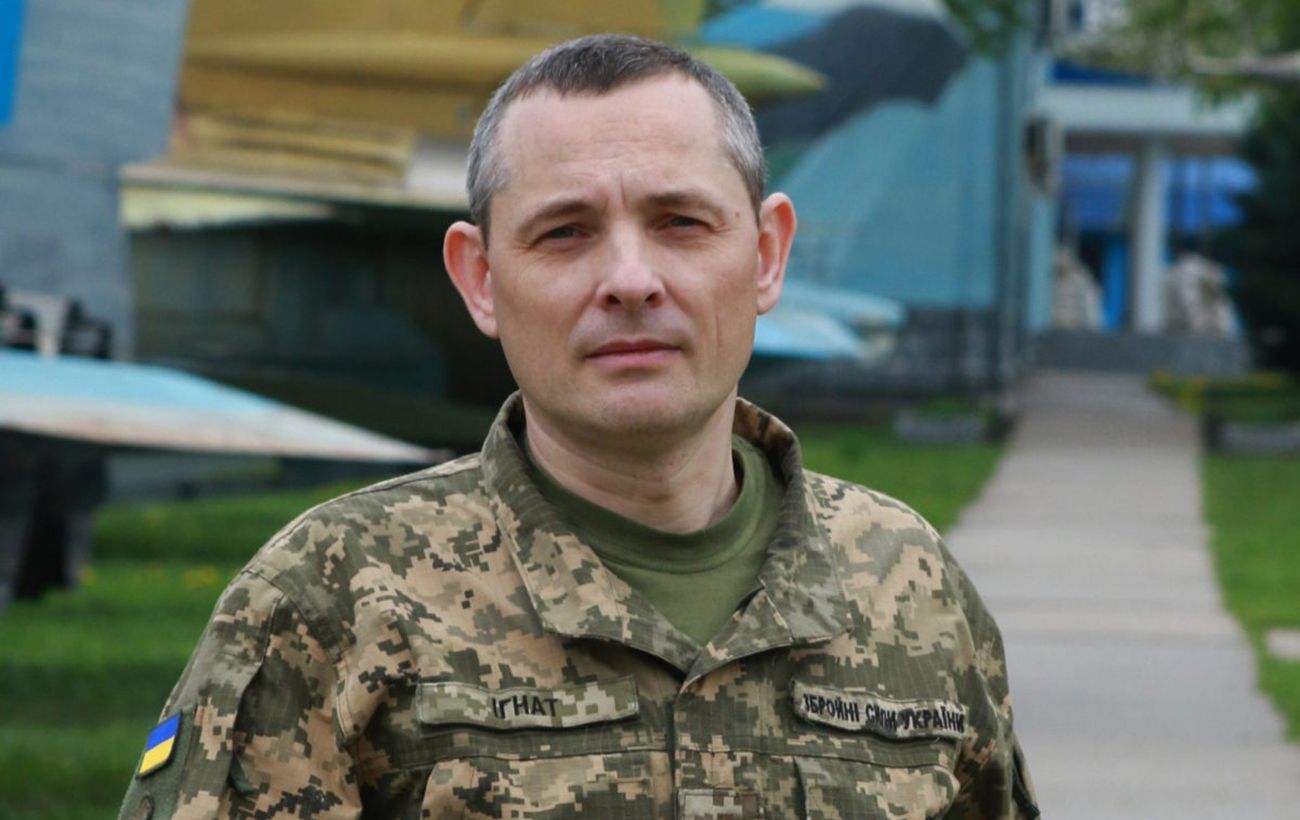
Russian troops have begun to use ballistic missiles more frequently to launch surprise strikes on Ukraine in the morning and during the day, according to Yuriy Ignat, a spokesperson for the Ukrainian Air Force. He said that this change in the timing of the attacks is intended to limit the Defence Forces’ ability to prepare and respond. When an air-raid siren sounds, members of the public are advised to head straight for a shelter.
Briefly about the main points
- Russia tends to launch ballistic missiles more often in the morning and during the day.
- Ignat linked the change in the timing of the attacks to an attempt to achieve the element of surprise.
- The night-time strikes have not ceased, and the intervals between launches have lengthened.
- A ballistic threat leaves little time to react.
- The State Emergency Service advises people to remain in shelter until the official all-clear is given.
Suddenness as an element of tactics
According to Ignata, the Russian army continues to seek ways to improve the effectiveness of its missile strikes. One such measure has been to shift some of the launches from night-time to the early morning or daytime.
«The enemy is seeking to achieve the element of surprise in order to reduce the time our Defence Forces have to prepare. Whilst everyone has become accustomed to ballistic missiles being launched at night, between 02:00 and 04:00, with strikes carried out in the morning, the enemy is attempting to achieve specific objectives precisely through the element of surprise,» explained a spokesperson for the Air Force.
This is not about abandoning night-time attacks, but about having a wider range of options for launch times. Previously, the Air Force also reported that the application of ballistics in two waves during the strike on the night of 2 June: further launches took place in the early hours of the morning following the first phase of the attack.
A short window of opportunity to respond
Ballistic missiles are characterised by a shorter response time following a threat alert. This is particularly true for regions situated close to launch sites.
Daytime can pose additional risks to civilians: more people are at work, on public transport, in educational establishments or out on the streets. At the same time, one should not link the timing of a specific attack to particular targets without specific evidence.
To counter ballistic and hypersonic targets, Ukraine is strengthening its missile defence capabilities. The Ministry of Defence has reported the delivery of missiles PAC-3 for the Patriot, describing them as a defence against, in particular, «Kinzhal», «Iskander» and «Zircon» missiles. The presence of such systems, however, does not guarantee that every missile will be intercepted.
Procedure to follow in the event of an emergency
The varying timing of the strikes means that it is dangerous to rely on past experience of night-time attacks. An air-raid siren requires the same response at any time of day, regardless of whether the nature of the threat is known.
The State Emergency Service recommends that you proceed immediately to the nearest shelter, avoid using the lift and keep an eye on official announcements. If you are on public transport, you should get off at the nearest stop and make your way to a shelter. You may only leave the shelter once the all-clear has been officially given.
If it is no longer possible to reach a shelter due to an immediate danger, the State Emergency Service advises people to move away from windows and external walls and to apply the ‘two-wall rule’ as a last resort.
Constant readiness rather than a habit of night-time attacks
Ignat’s statement suggests that Russia is adopting a more flexible approach to the timing of its missile strikes. This could place a greater strain on warning systems, the emergency services, transport networks and people who are away from home during working hours.
For civilians, the main practical lesson remains not to assess the nature of the threat themselves and not to wait for explosions. The best way to minimise the risk is to respond to an alarm without delay and remain in shelter until an official all-clear is announced.