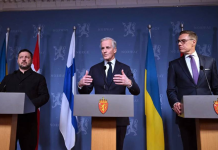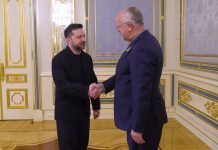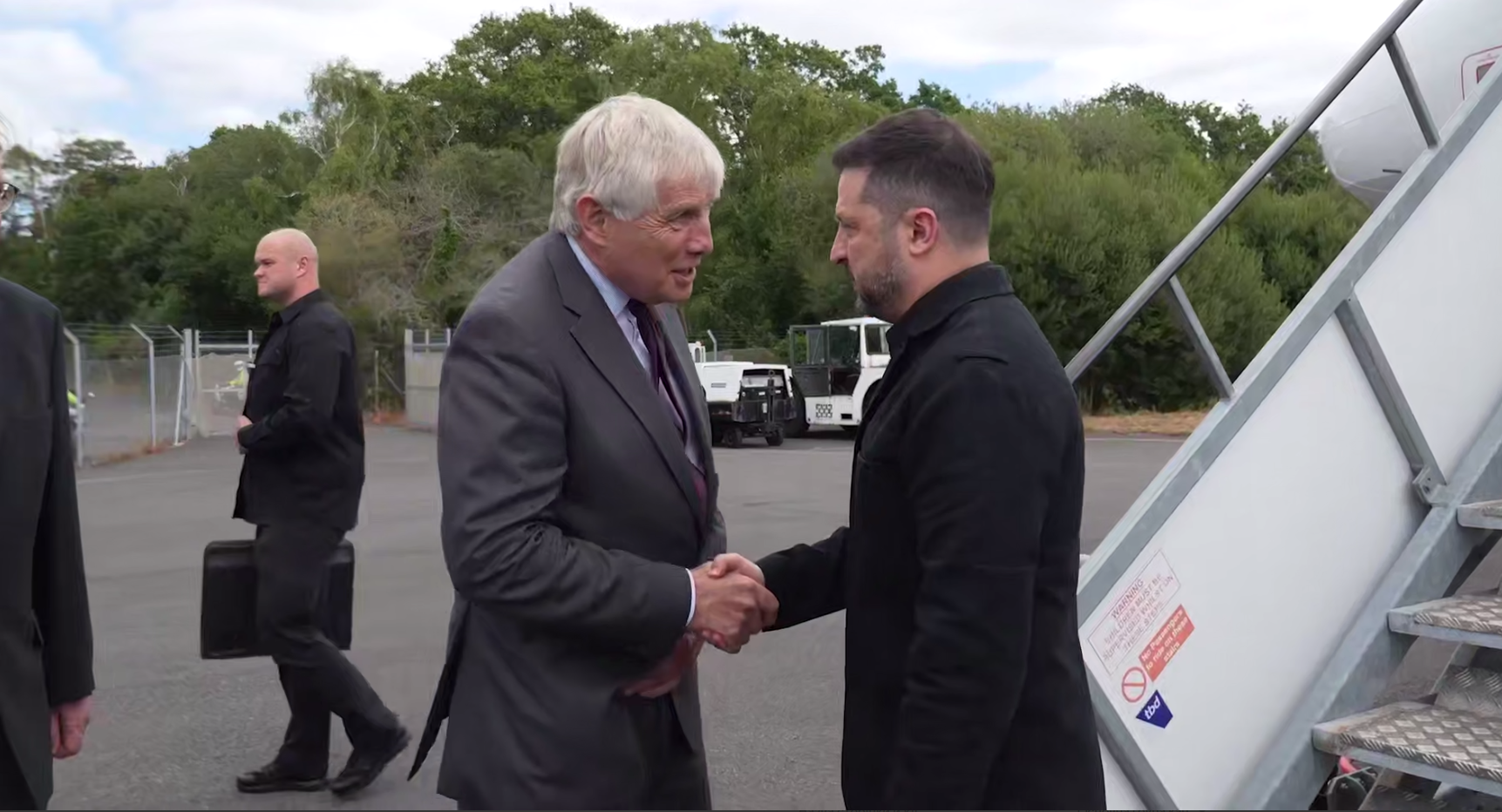
During Zelenskyy’s visit to the UK, meetings are scheduled with Prime Minister Andy Burnham and Ukrainian military personnel currently stationed in the country. Some of them, in particular, took part in the Sea Breeze exercises. Air defence, maritime security and joint defence production have been identified as key priorities.
Briefly about the main points
- It has been reported that Zelenskyy has arrived in the UK.
- A meeting with Prime Minister Andy Burnham is scheduled.
- Separate meetings are to be held with Ukrainian military personnel.
- Air defence, maritime security and defence manufacturing have been identified as priorities.
- Sea Breeze 2026 is taking place in the UK, with a focus on mine countermeasures.
Meetings with British leaders and military officials
The programme for the visit Vladimir Zelensky — talks with the Prime Minister Andy Bernam. Meetings are also planned with Ukrainian soldiers who are currently in the UK.
In the President’s statement on the visit, Ukrainian-British relations were described as the strongest in the history of cooperation between the two countries, despite years of full-scale war. Ukraine looks forward to further strengthening the partnership and the security of both countries.
Sea Breeze and mine-clearing training
Some of the Ukrainian military personnel with whom meetings are planned took part in the Sea Breeze exercises. The maritime phase of Sea Breeze 2026 began on 15 July in Portland; more than 20 countries and NATO’s Maritime Command are involved.
The exercises focus on mine detection and clearance, the operations of diving, explosive ordnance disposal and rescue units, as well as the deployment of unmanned surface and underwater systems. According to data cited in a supplementary study, the Ukrainian Navy has deployed five mine-hunting vessels to Sea Breeze, whilst the tactical group’s headquarters is undergoing a NATO Level 2 assessment.
This area is directly linked to the stated priority of maritime security. Mine-countermeasures capabilities may be required for naval operations, the safety of shipping and access to ports.
Air Defence and Industrial Cooperation
Alongside the maritime dimension, air defence and joint defence manufacturing have been identified as key areas. In March, Ukraine and the UK signed a declaration on enhanced security and defence-industrial cooperation. It provides for potential joint production lines, research and development, and the integration of supply chains.
The declaration also referred to the programme Lyra in the fields of drones, air defence and long-range systems. One specific example cited is the agreement for the licensed production in the UK of the Ukrainian Octopus interceptor drone.
On 18 June, the British authorities announced a package worth 752 million pounds sterling, which includes 150,000 drones, as well as over 350 air defence missiles and radars, to be delivered by the end of 2026. However, publicly available data does not specify which items from this package have already been physically delivered to Ukraine.
The practical aspect of the partnership
The President’s visit comes at a time when cooperation between Ukraine and the UK encompasses several practical areas: training and interoperability at sea, support for air defence, and the development of the defence industry. This indicates that the bilateral agenda extends beyond individual arms deliveries.
The UK is also developing training programmes for Ukrainian military personnel. Since the start of the Operation Interflex programme, according to the British government, more than 63,000 Ukrainians have undergone training, including 11,000 military instructors. In June, the programme shifted its focus to specialised aviation, medical, engineering and logistics training.
The detailed agenda for the meeting, the composition of the British delegation and any potential new decisions have not been made public. Therefore, the aid packages and production agreements announced previously should be distinguished from the potential outcomes of the current negotiations.