Ukrainian President Volodymyr Zelenskyy and European leaders congratulated the opposition «Student List» on its victory in the early parliamentary elections in Serbia on 25 October. The political party, which emerged from the student protest movement, secured over 52% of the vote and finished ahead of the coalition led by former President Aleksandar Vučić. The European Union has stated its readiness to support democratic reforms and Serbia’s European integration, whilst Zelenskyy expressed his hope for expanded cooperation between Kyiv and Belgrade.
Zelenskyy described the students’ victory as a new chapter in Serbia’s history
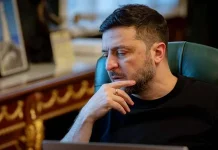
26 October Volodymyr Zelenskyy congratulated the «Student List» on its victory and expressed his support for democratic change in Serbia. The President of Ukraine stated that the election results mark a new phase in the country’s development.
Zelenskyy wished the Serbian people success, progress and the strengthening of relations with the European community. He also thanked Serbia for its respect for the Ukrainian people, their statehood and independence.
The Ukrainian President emphasised that Kyiv is ready to continue and expand bilateral cooperation. His statement formed part of the international reaction to the defeat of Aleksandar Vučić’s political party; Vučić had remained one of the most influential figures in Serbian politics for many years.
The European Union has pledged its support for reforms in Serbia
President of the European Council António Costa He congratulated the «Student List» on its victory and expressed the EU’s readiness to work with Serbia’s future government on democratic reforms. He cited the rule of law, media freedom, the fight against corruption and the strengthening of state institutions as priorities.
President of the European Commission Ursula von der Leyen She also congratulated the winners, noting that Serbian citizens had turned out in large numbers to vote. She reaffirmed Brussels’ readiness to support the reforms necessary for Serbia’s further rapprochement with the European Union.
European Commissioner for Enlargement Martha Kos She pointed out that the elections took place following almost two years of mass protests. According to her, the people of Serbia were calling for democracy, the rule of law and the fight against corruption, and the results of the vote demonstrated the scale of public demand for change.
President of Romania Nikushor Dan He congratulated Serbian voters and the winners of the parliamentary elections. He emphasised Bucharest’s readiness to cooperate with the new government in order to secure a European future for Serbia and strengthen regional stability.
Prime Minister of Hungary Peter Magyar He reported that he had already spoken on the telephone with the leadership of the «Student List». He congratulated the politicians on their victory and assured them of Budapest’s support.
«The »Student List’ received more than half the votes
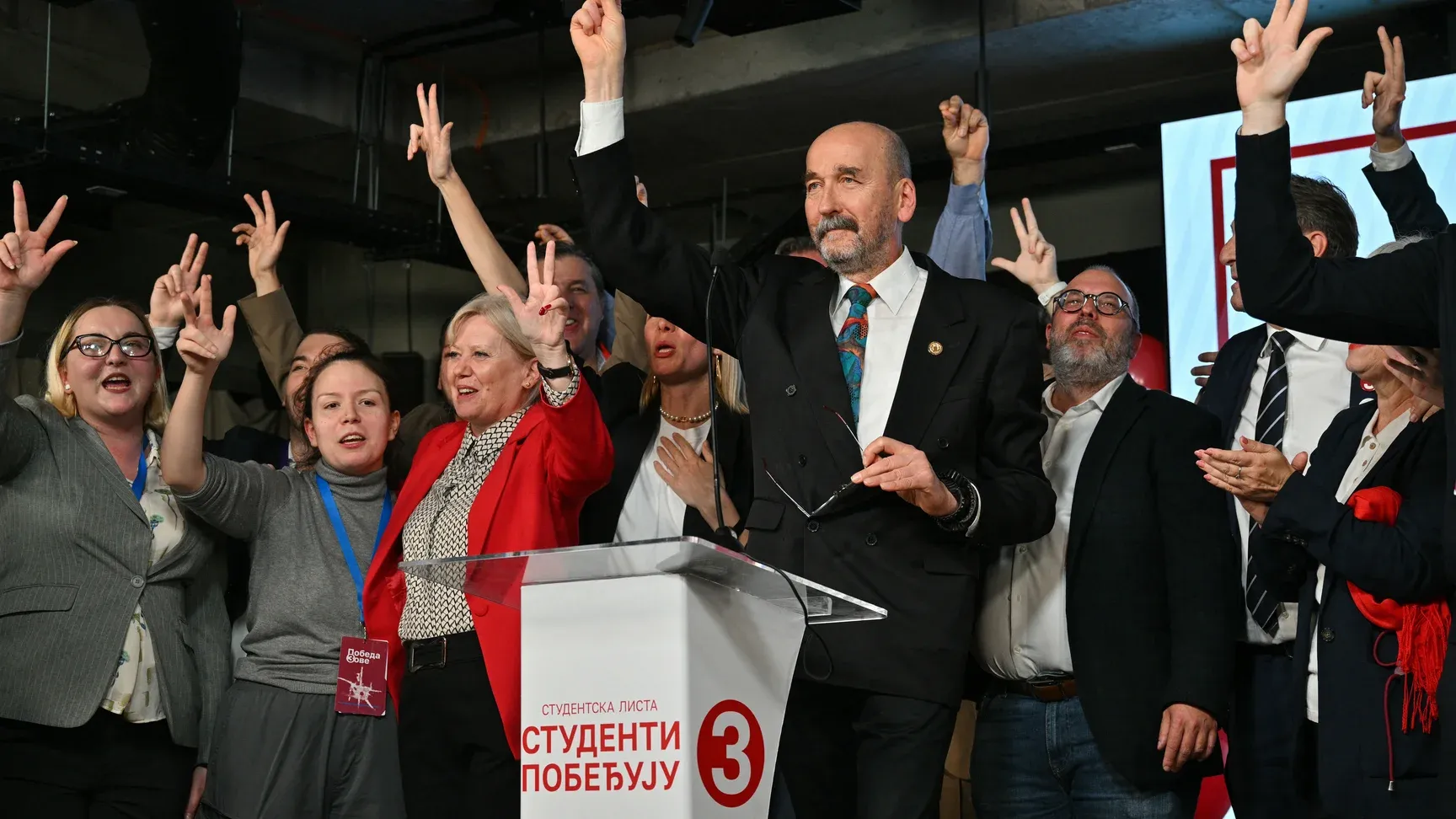
According to preliminary figures from the Republic of Serbia’s Electoral Commission, published on 26 October, «Student register» received 52,65% votes. The «Aleksandar Vučić – United Serbia» coalition received 39,22%. Voter turnout stood at 68.78%, one of the highest figures in recent decades. The final results had not yet been confirmed at the time of publication.
According to preliminary estimates, representatives of the student movement could win around 139 seats in the 250-seat parliament, which would give them a majority to form a government.
He himself acknowledged his political party’s defeat Aleksandar Vučić. Following his statement, tens of thousands of people took to the streets of Belgrade and other cities to celebrate the opposition’s victory.
How student protests changed Serbian politics
The student protest movement emerged following the tragedy in Novi Sad in November 2024, when 16 people were killed after the canopy at the railway station collapsed. The mass demonstrations were accompanied by demands for an investigation into the circumstances of the disaster, for those responsible to be held to account, and for corruption in state institutions to be tackled.
The protests eventually grew into a nationwide movement, bringing together students, lecturers, civil society organisations and some opposition politicians. After nearly two years of demonstrations, its representatives drew up an electoral list and secured a parliamentary majority.
The winners must now form a government and set the country’s future foreign policy course. Despite the positive reaction from Brussels, the future government has yet to take any concrete decisions regarding relations with Russia, support for Ukraine and European integration.