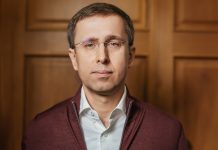
Ukraine has proposed to Russia that both sides cease air strikes, in particular those targeting energy infrastructure, and subsequently halt hostilities along the current front line. Mykhailo Podolyak, an adviser to the President’s Office, outlined the details of the initiative. President Volodymyr Zelenskyy is prepared to meet Vladimir Putin in person if the talks would help bring the war to an end.
Briefly about the main points
- As a first step, Kyiv is proposing a mutual cessation of air strikes.
- The initiative includes a halt to attacks on energy infrastructure.
- Furthermore, Ukraine is open to a ceasefire along the current front line.
- Stabilising the front line will not amount to recognition of the occupation of Ukrainian territories.
- Kyiv is calling for international oversight and security guarantees.
A phased model for the cessation of hostilities
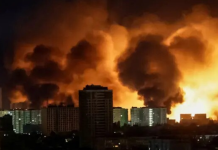
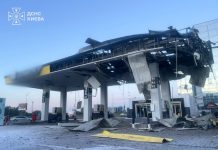
Kyiv sees the first stage as a mutual cessation of attacks using missiles and long-range drones. The proposal also provides for cessation of shelling energy facilities.
The next step could be a ceasefire along the current line of contact. This would not imply legal recognition of the territories occupied by Russia, nor would it mean that Ukraine is relinquishing its sovereignty over them.
Once a ceasefire has been established, Ukraine proposes moving on to negotiations on political, security and territorial issues. Zelensky previously referred to as stabilisation of the front line the quickest way to shift the conflict onto a diplomatic track, whilst emphasising that the aim must be lasting peace, not a respite for further Russian aggression.
Kyiv’s conditions for engagement with Moscow
According to Podolyaka, Zelenskyy is ready for a face-to-face meeting with Putin, provided it has practical substance. Kyiv insists that negotiations cannot take place under Russian ultimatums.
Ukraine is also calling for effective international monitoring of the ceasefire and the involvement of partners capable of monitoring compliance with the agreements and providing security guarantees. In June, the European Council declared its readiness to support the monitoring of the ceasefire, in particular through the EU Satellite Centre, and also emphasised the inviolability of Ukraine’s sovereignty and territorial integrity.
This sequence separates the steps that can potentially be checked immediately — cessation of air strikes and the fighting on the front line — to the far more complex issues of territory and the security architecture. The viability of the agreements will depend on mechanisms for recording violations and guarantees that the ceasefire will not be exploited to regroup forces.
A diplomatic window before winter and defence agreements
Zelenskyy stated that Ukraine would seek to step up military, economic and sanctions pressure on Moscow in order to bring the war to an end before winter. In an interview with CBS, he emphasised that, for diplomatic progress to be made, partners must step up their efforts, not ease them sanctions against Russia.
At the same time, Kyiv is expanding its cooperation with partners in the field of unmanned technologies. According to the president, Ukraine has already signed nine such agreements, with a further 15 documents at various stages of preparation. These may cover joint production, technology transfer, the procurement of Ukrainian systems and foreign funding.
Format Drone Deal Ukraine has been developing its relations with the EU following the signing of the first document with the President of the European Commission on 15 July. Defence cooperation under this model complements the diplomatic initiative: Kyiv aims to conduct negotiations whilst simultaneously strengthening its capacity to deter a further escalation.